2026 Top Residential Door Lock Trends You Should Know?
In the ever-evolving landscape of home security, understanding the latest trends in Residential Door Locks is crucial. According to recent reports by the Security Industry Association, the residential door lock market is projected to grow significantly, with smart locks leading the charge. These locks combine convenience and heightened security, catering to a tech-savvy consumer base increasingly concerned about home safety.
The rise of residential door locks with advanced features such as biometric technology and remote access is notable. A survey conducted by Research and Markets indicates that nearly 37% of homeowners prioritize smart home security features. However, navigating the options can be overwhelming, which may lead to suboptimal choices. Not all residential door locks are created equal, and the reliance on technology raises questions about vulnerabilities.
As consumers become more educated about their security options, the importance of reliable information cannot be overstated. The increasing prevalence of DIY security systems is encouraging homeowners to engage more actively in their safety. It's a reminder that while innovation is vital, discerning quality from a plethora of choices remains a challenge. Understanding the trends can help shape smarter decisions for securing homes.
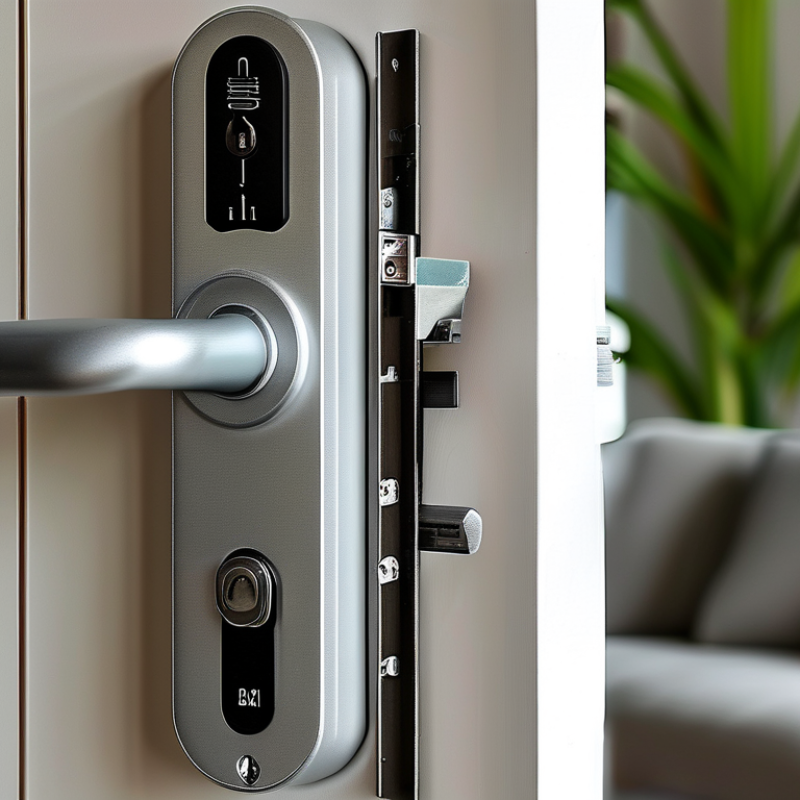
Emerging Smart Lock Technologies for 2026 Residential Security
As we approach 2026, residential security is set to undergo a significant transformation. One of the most notable trends is the rise of smart lock technologies that enhance safety and convenience. These locks integrate with home automation systems, allowing for remote access and real-time monitoring. Users can control their locks through smartphones, making it easier to manage entry points.
Another fascinating development is biometric technology. Fingerprint recognition and facial recognition are becoming common in smart locks. This advancement offers higher security levels by ensuring that only authorized users can gain access. However, reliance on technology raises concerns about privacy and data security. Are we ready to trust that our personal information will remain safe and secure?
Furthermore, some homeowners may still prefer traditional locks. The balance between smart technologies and conventional methods reflects a deeper desire for security and comfort. This dual approach urges homeowners to rethink how they secure their spaces. It may also lead to vulnerabilities that require continuous adaptation and critical evaluation of security methods. Embracing innovation while remaining cautious is essential for future residential safety.
Key Features to Look for in Modern Residential Door Locks
When choosing modern residential door locks, several key features stand out. A primary concern for homeowners is security. Look for locks with advanced technology like smart locks. These locks often offer remote access and monitoring through smartphone apps. They enhance convenience while allowing customizable access for family members and guests.
Another important feature is durability. Locks should be made of high-quality materials that resist tampering and wear over time. Many modern locks also have weather-resistant options. This is crucial for exterior doors exposed to the elements. Anti-pick and anti-drill features can further enhance security.
Ease of installation is often overlooked. Many homeowners prefer locks that do not require professional help. This helps save both time and money. While complex locking mechanisms offer advanced security, they may raise installation challenges. Ensure you weigh the benefits against potential installation hurdles. Balancing security with usability is essential for a modern home.
Sustainable and Eco-Friendly Materials in Door Lock Design
As concerns about environmental impact grow, sustainable materials in door lock design are gaining traction. Homeowners increasingly prioritize eco-friendly options. Recent advancements allow manufacturers to create locks from recycled metals and plastics. This reduces waste and lowers the carbon footprint.
Using bamboo or sustainably sourced wood in locks is an emerging trend. These materials are not only durable but also visually appealing. They can blend seamlessly with various home styles. However, some might question their long-term reliability compared to traditional metals. Balancing aesthetics and functionality is key to consumer satisfaction.
Designers are also exploring bioplastics—derived from natural sources. These materials offer a renewable option, yet challenges remain regarding their strength and durability. The industry will need to address such issues to gain broader acceptance. This growing focus on sustainability reflects a shift in consumer values toward more responsible choices.
User Experience Innovations in Smart Lock Interfaces
The landscape of smart locks is evolving rapidly, with a strong focus on user experience. The latest trends in smart lock interfaces emphasize simplicity and accessibility. Many designs now feature intuitive touchscreens and user-friendly apps. Visual feedback is critical; users want to feel assured that their locks are secure. Vibrations or lights signaling a successful lock or unlock action enhance user confidence.
Another exciting trend is the integration of voice commands. This hands-free option allows users to unlock their doors with ease. It caters to the needs of everyone, especially those with disabilities. However, voice recognition systems must ensure accuracy and security to avoid accidental unlocks.
While these innovations improve user experience, some challenges remain. Users may experience frustration with connectivity issues or app glitches. Not all interfaces are as intuitive as they claim. Continuous user feedback will be essential to refine these technologies. The goal should always be a balance of convenience and security. Companies need to listen, adapt, and strive for a seamless experience for all users.
2026 Top Residential Door Lock Trends You Should Know
Top Security Trends Impacting Door Lock Choices in 2026
As we approach 2026, the landscape of residential door locks is changing rapidly. One major trend is the integration of smart technology. These locks allow homeowners to control access remotely. However, the convenience of smart locks brings challenges, such as vulnerability to cyberattacks. It's crucial to remain aware of security updates and ensure that devices are regularly monitored.
Another significant trend is the emphasis on physical security features. Enhanced materials and designs are becoming the norm. Many people now prefer locks with advanced anti-drill and anti-pick features. This focus on durability reflects a growing awareness of home security. However, it can be difficult to find a balance between traditional and modern locks. Each option has its advantages and disadvantages.
Additionally, eco-friendly locks are emerging as a preferred choice for many. These products often use sustainable materials. Though appealing, the effectiveness and longevity of these locks can be unpredictable. Factors like environmental impact and security should guide choices. Making informed decisions shapes not just comfort but also safety at home.
2026 Top Residential Door Lock Trends You Should Know
| Trend | Description | Impact | Adoption Rate (%) |
| Smart Locks | Locks operated via smartphone apps or biometric identifiers. | Increased convenience and remote access. | 45% |
| Biometric Security | Using fingerprints or facial recognition for unlocking. | Enhanced security through unique user identification. | 30% |
| Keyless Entry | Locks that use codes instead of traditional keys. | Eliminates the need for physical keys and improves access sharing. | 40% |
| Integrated Home Security Systems | Locks connected to home security systems for alerts and monitoring. | Improves overall security by integration with alarms and cameras. | 35% |
| Sustainable Materials | Locks made from eco-friendly materials like recycled metals. | Reduces environmental impact and appeals to eco-conscious consumers. | 25% |
| Remote Control Access | Ability to unlock doors from a distance via internet connectivity. | Allows for convenient access for guests without being home. | 50% |