What are the Benefits of Installing a Green Wall in 2026?
In 2026, the installation of a Green Wall can transform urban spaces. This innovative design features vertical gardens that provide numerous benefits. Green Walls help to improve air quality by filtering pollutants and generating oxygen. They also reduce energy costs by acting as natural insulation, keeping buildings warmer in winter and cooler in summer.
Beyond environmental advantages, Green Walls can enhance mental well-being. Studies show that plants positively impact mood and cognitive function. A thriving vertical garden can create a calming atmosphere in busy urban areas. While many appreciate these benefits, installing a Green Wall requires thoughtful planning and ongoing maintenance.
There are challenges too, such as selecting appropriate plant species. Not every plant thrives in every environment. It's crucial to tailor the design to the specific location. Regular upkeep is necessary to maintain its beauty. Despite these challenges, the rewards of a well-executed Green Wall are substantial. They serve both ecological and aesthetic purposes in our modern world.
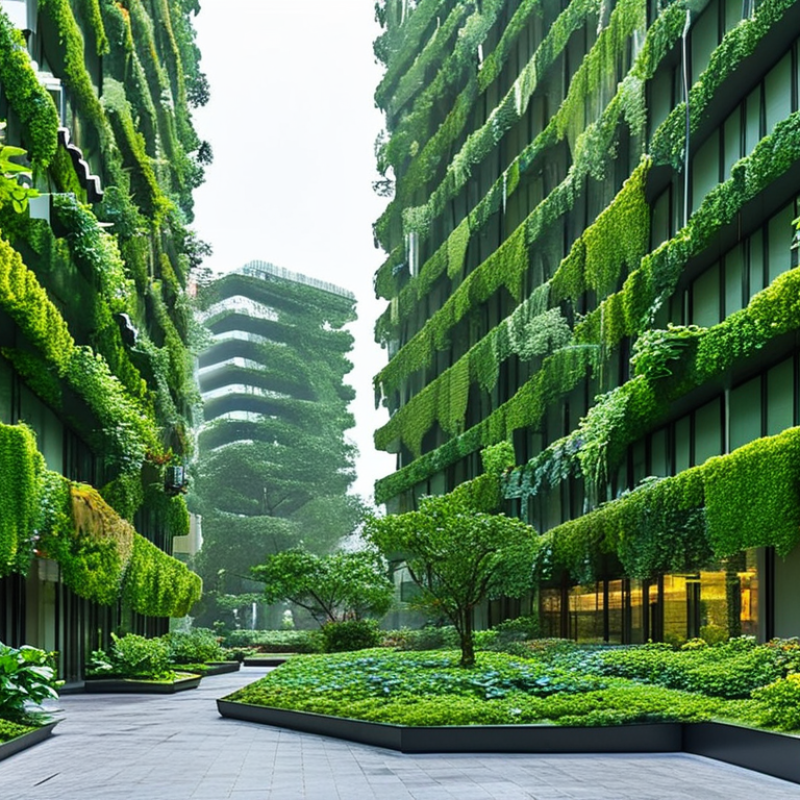
Benefits of Green Walls for Urban Environments in 2026
Green walls have become a crucial part of urban planning in 2026. These vertical gardens offer multiple benefits for city dwellers. They improve air quality significantly. Plants absorb pollutants and produce oxygen. This simple action creates healthier environments for everyone. Additionally, green walls can lower urban temperatures. By providing shade, they help combat the urban heat island effect.
The visual appeal of green walls is undeniable. They transform dull facades into vibrant green spaces. This enhancement can increase property values and attract tourists. Nevertheless, the maintenance of these walls can be challenging. Regular watering and plant care are essential. Ignoring maintenance can lead to overgrowth or decay, which detracts from their aesthetic value.
Moreover, green walls can foster community interaction. Neighbors may come together to create and maintain these gardens. This collaboration can strengthen community bonds. However, not every urban setting is suitable for green walls. Shade, drainage, and sunlight are vital considerations. Careful planning is necessary to ensure their success.
Impact of Green Walls on Indoor Air Quality and Health
Green walls, also known as vertical gardens, have gained attention for their benefits on indoor air quality and health. Studies indicate that plants can filter harmful pollutants from indoor environments. According to a report by the National Aeronautics and Space Administration (NASA), certain plants can remove up to 87% of indoor air toxins within 24 hours. This powerful capability enhances air quality, making spaces healthier for occupants.
Moreover, green walls can help regulate humidity levels. Research suggests that maintaining optimal humidity can reduce respiratory issues and improve overall well-being. A study published in the Journal of Environmental Psychology found that indoor plants can lead to a 20% reduction in perceived stress levels. Such findings emphasize the role of nature in promoting mental health.
On the flip side, maintaining a green wall demands commitment. It necessitates proper lighting, watering routines, and plant care expertise. If neglected, plants can wilt, leading to an accumulation of mold and other allergens. Thus, users must weigh the benefits against the required upkeep. Proper maintenance is crucial for enjoying the advantages of improved air quality and health benefits that green walls provide.
Economic Advantages of Installing Green Walls in Commercial Spaces
Installing green walls in commercial spaces offers significant economic advantages. These living walls not only enhance aesthetics but also improve energy efficiency. A green wall helps to insulate buildings, reducing heating and cooling costs. This energy efficiency translates into lower utility bills, benefiting the bottom line.
Moreover, green walls can enhance employee productivity. Studies show that plants improve air quality. Employees in greener environments tend to report higher job satisfaction and performance. This can lead to reduced turnover rates and less hiring costs. The return on investment is compelling.
However, the initial installation cost can be a barrier for some businesses. Ongoing maintenance also requires resources. These aspects present challenges that need addressing. Balancing upfront costs with long-term benefits is essential for a successful implementation.
What are the Benefits of Installing a Green Wall in 2026? - Economic Advantages of Installing Green Walls in Commercial Spaces
| Benefit | Description | Estimated Economic Impact ($) |
| Energy Savings | Green walls help in insulating buildings, reducing energy costs by up to 30%. | $15,000 annually |
| Increased Property Value | Green walls enhance aesthetic appeal, raising property values significantly. | $100,000 |
| Improved Air Quality | Plants improve indoor air quality, reducing health-related costs for businesses. | $7,000 annually |
| Employee Productivity | Biophilic designs have been shown to enhance worker productivity by up to 15%. | $20,000 annually |
| Stormwater Management | Green walls absorb rainwater, reducing runoff management costs. | $3,000 annually |
Enhancing Biodiversity Through Urban Green Wall Installations
Urban green walls are becoming essential for enhancing biodiversity in cities. These vertical gardens, filled with various plant species, create habitats for local wildlife. Reports indicate that green walls can support over 500 species of insects and bird life, which is crucial for maintaining ecological balance in urban areas. As buildings grow taller and space becomes limited, this method of greenery is vital for fostering habitats that might otherwise disappear.
To maximize the benefits of green walls, consider adding native plants. They attract local pollinators, providing food and shelter. Additionally, ensure proper irrigation systems are in place. This can help sustain the plant life during dry periods. Regular maintenance is also critical, as neglected installations can become less effective and may harm the surrounding environment instead of helping it.
Remember, not all plants thrive in vertical spaces. Selecting the right combination is important for creating a resilient ecosystem. Documenting changes in wildlife presence can guide future installations. Continuous learning and adapting will lead to even better outcomes for urban biodiversity as we move forward into 2026.
Benefits of Installing a Green Wall in 2026
Aesthetic and Psychological Benefits of Green Walls in Modern Design
The aesthetic value of green walls is undeniable. They add vibrant color and texture to urban environments. A living wall transforms a dull space into a lush oasis. Many modern buildings incorporate these vertical gardens to enhance their design. The interplay of light and shadow creates a unique atmosphere. The use of various plant species offers endless possibilities for creativity.
Beyond aesthetics, green walls have psychological benefits. Studies show that plants can reduce stress levels. The sight of greenery can elevate mood and improve air quality. People often feel happier in spaces adorned with nature. This connection to the natural world fosters a sense of calm. It can be a crucial design element in busy urban settings.
However, implementation isn’t always straightforward. Maintenance is essential to keep these walls thriving. Without proper care, greenery can wilt and lose its appeal. Some may struggle with the costs involved. Balancing aesthetics and sustainability requires thoughtful planning. These challenges invite reflection on our choices in architectural design.