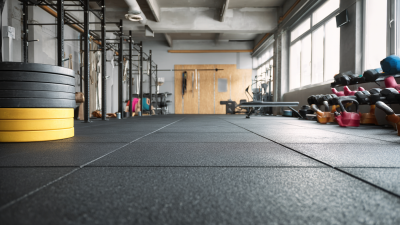
Rubber floor mats have gained popularity in various environments. Their versatility makes them a preferred choice for homes and businesses alike. These mats provide numerous advantages, enhancing safety and comfort.
One major benefit is their slip resistance. In kitchens or entryways, rubber floor mats can prevent accidents. They absorb shocks and reduce fatigue, particularly in workspaces. Imagine standing for hours on a hard floor; rubber mats become a lifesaver. Additionally, these mats are easy to clean and maintain. A simple sweep or rinse can keep them looking fresh.
However, not all rubber mats are created equal. One should consider the material and thickness. A thicker mat might be necessary for high-traffic areas, while lighter designs can suit less active spaces. Some people overlook these details. Choosing the right rubber floor mats requires thought. It’s essential to assess specific needs and select wisely.
Rubber floor mats are a cost-effective solution for various flooring needs. They provide excellent durability and require low maintenance. According to a report by the Flooring Association, rubber mats can last up to 20 years, making them a smart investment for both residential and commercial spaces.
Using rubber mats can enhance safety. They are slip-resistant, which helps reduce accidents. In industrial environments, the National Safety Council estimates that slip and fall incidents cost companies billions annually. Rubber mats can be an effective way to mitigate this risk.
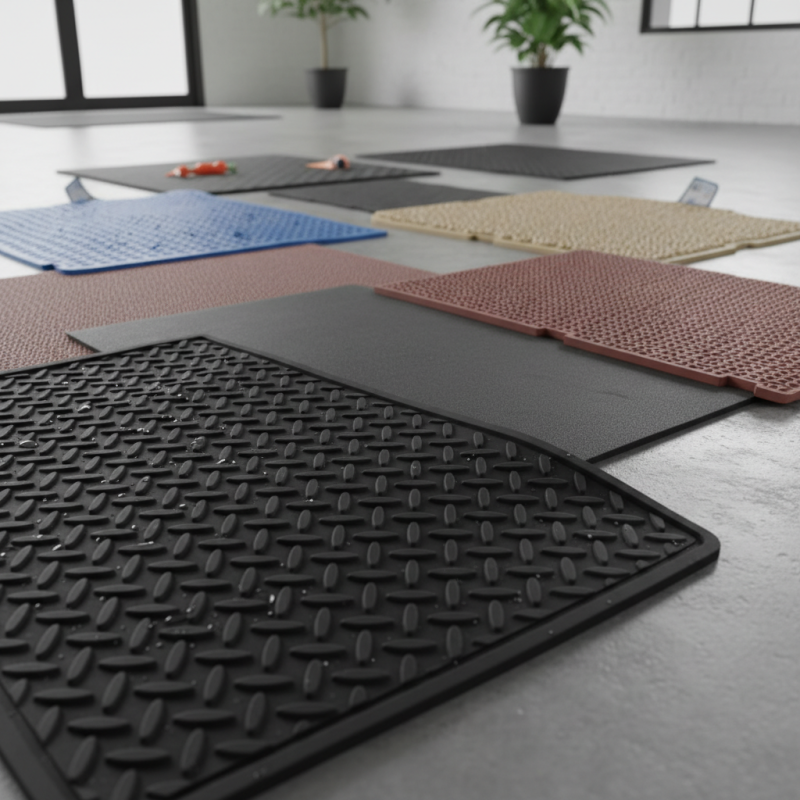
However, some may question their aesthetic appeal. While rubber mats come in various colors and designs, they may not suit everyone’s taste. It’s essential to weigh practicality against style. Investing in rubber mats could also lead to challenges in terms of installation and fitting. Making adjustments to existing flooring to accommodate them might be necessary. Ultimately, choosing rubber mats requires careful consideration of both functionality and personal preference.
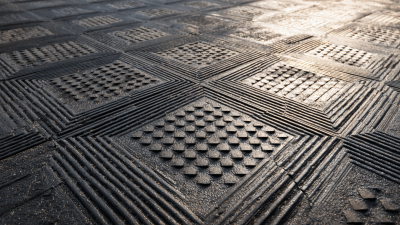
In workplaces, safety is a crucial concern. Slip and fall incidents can lead to serious injuries and reduced productivity. Rubber floor mats are effective in minimizing these risks. They provide a textured surface that enhances grip. This feature is particularly important in areas prone to spills and moisture.
Consider a kitchen or a workshop. Surfaces here can quickly become slippery. Rubber mats absorb shock and prevent skidding. They can be easily cleaned, ensuring that the safety measure isn’t compromised over time. Even with regular maintenance, some wear and tear is inevitable. Workers should always be encouraged to report any issues with mats.
Implementing rubber mats should be a part of a broader safety plan. Training employees about safe practices is vital. While mats significantly reduce risks, human behavior plays a big role. Regular reminders can reinforce safe habits. Remember, safety starts with awareness and the right tools. Each little step counts toward a safer environment.
| Benefit | Description | Impact on Workplace |
|---|---|---|
| Enhanced Safety | Rubber mats provide traction, reducing the risk of slips and falls. | Improved employee safety. |
| Shock Absorption | Softens the impact of falls and reduces fatigue for standing workers. | Promotes worker comfort and productivity. |
| Durability | Resistant to wear and tear, suitable for heavy foot traffic. | Lower replacement costs over time. |
| Easy Maintenance | Simple to clean, often just requires a mop or vacuum. | Saves time and labor costs. |
| Environmental Benefits | Made from recycled materials, contributing to sustainability. | Enhanced company image and social responsibility. |
| Cost-Effective | Lower long-term costs due to durability and safety enhancements. | Increased budget efficiency. |
| Customization | Available in various sizes, colors, and designs. | Improves aesthetic appeal of the workplace. |
| Versatility | Suitable for various environments including industrial and commercial. | Increases functionality across spaces. |
| Noise Reduction | Dampens sound, creating a quieter work environment. | Enhances focus and productivity. |
| Heat Insulation | Keeps floors warmer, especially in cold environments. | Improves comfort for employees. |
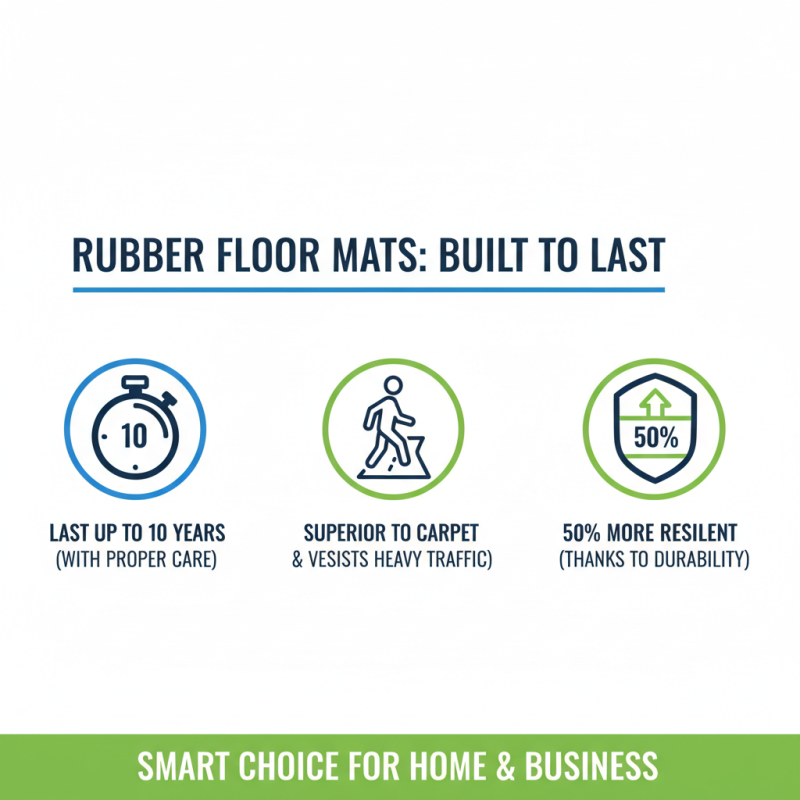
Rubber floor mats are known for their durability and longevity. Many studies indicate that these mats can last up to ten years with proper care. Compared to alternatives like carpet or vinyl, rubber withstands heavy foot traffic much better. It resists wear and tear, making it a smart choice for both commercial and residential spaces. In fact, some reports suggest that rubber mats are 50% more resilient than other flooring options.
Cleaning rubber mats is easy. They can be swept or hosed down, requiring minimal effort. They dry quickly, resisting mold and mildew. However, during winter, mats may get slippery with ice or snow. This can pose a risk if not managed.
While rubber mats boast impressive longevity, they do have some downsides. They can trap dirt between their grooves. This makes it essential to maintain a regular cleaning schedule. Additionally, rubber may emit a rubbery smell, especially when new. This odor tends to decrease with time, but it’s something to consider. Overall, the benefits of using rubber flooring in terms of durability outweigh these minor inconveniences.
Rubber floor mats are often praised for their noise reduction capabilities. They effectively absorb sound, making any space more comfortable. This is particularly beneficial in busy environments like gyms or restaurants. The dense material of rubber helps to dampen noise caused by foot traffic and equipment. A soft landing from heavy items reduces faint thuds that travel through floors.
Many people overlook how much noise can impact daily life. In a home office, annoying sounds can disrupt focus. Rubber mats can create a quieter environment, allowing for increased productivity. They effectively lower vibrations that might otherwise echo in open spaces. However, not all mats are created equal. Some may wear out over time, losing their sound-absorbing properties. Regular maintenance may be needed to ensure optimal performance.
Carpets sometimes trap dirt, while rubber mats are easy to clean. This can be seen as a significant advantage. However, users should be cautious about the grip level. Mats that shift underfoot may create safety risks. The balance between aesthetics and functionality should be examined. If a mat contributes to noise reduction but isn’t secure, it might cause more problems than it solves.
Rubber floor mats offer several benefits in spaces where noise reduction is critical. Below is a chart showcasing the sound absorption ratings of various materials, highlighting the impressive performance of rubber mats.
Eco-friendly options are gaining traction in various design spaces. One of the leading materials in sustainable flooring is recycled rubber. This choice not only reduces waste but also offers practicality and durability. By using old tires, manufacturers create mats that serve multiple purposes. They can be found in gyms, kitchens, and even outdoor areas.
The growth in recycled rubber mats reflects changing consumer awareness. People are becoming more mindful of their environmental footprint. However, despite these advances, challenges remain. Not all rubber mats are created equal. Some may contain harmful chemicals that can release into the environment. Consumers need to research and choose wisely. This responsibility leads to better options in the long run.
Incorporating recycled rubber mats into a space brings texture and color. They provide comfort underfoot and help reduce slips. Yet, the aesthetic appeal should not overshadow their functional aspect. A balance between style and purpose is crucial. It’s important to reflect on how design choices impact the planet. The conversation around sustainable materials continues to evolve.