Top 10 Benefits of Using a Wire Mesh Weaving Machine?
The wire mesh weaving machine has revolutionized various industries, showing significant advantages in production efficiency and output quality. According to recent industry reports, the demand for wire mesh products has increased by over 30% in the past five years. This surge has led manufacturers to adopt advanced machinery to meet market needs. It is essential to highlight that utilizing a wire mesh weaving machine can enhance not only productivity but also reliability in product consistency.
Efficiency is a critical factor. With the right machine, companies can reduce labor costs and production time significantly. A study indicates companies that utilize automated weaving machines can achieve 40% more output daily compared to traditional methods. However, it's important to note that initial investments can be high, and maintenance requires diligence. These factors must be weighed carefully when seeking to implement this technology.
In addition, the wire mesh weaving machine improves product quality by ensuring precise specifications. This consistency leads to better customer satisfaction. Nevertheless, some manufacturers struggle to adapt to technological changes. Embracing innovation sometimes poses a challenge. Companies must reflect on their readiness to evolve with these advancements to fully capitalize on the benefits they offer.
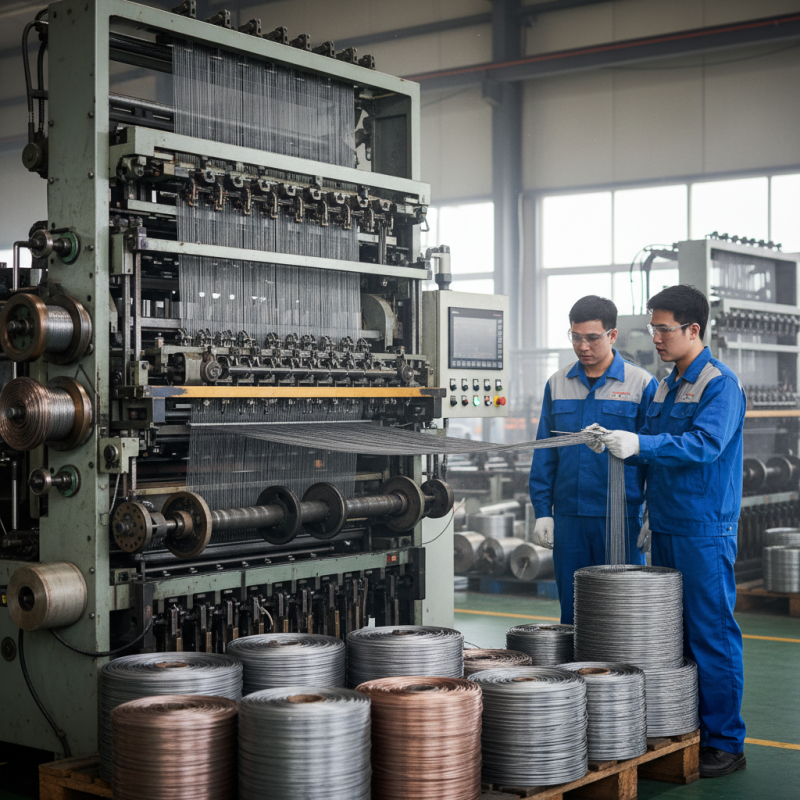
Advantages of Efficient Production with Wire Mesh Weaving Machines
Wire mesh weaving machines offer significant advantages in production efficiency. These machines can operate at high speeds, producing large quantities of wire mesh quickly. As a result, manufacturers can meet demand without compromising quality. Automated features streamline the weaving process, reducing human errors and increasing overall accuracy.
Additionally, these machines require less manual labor. This shift not only cuts down on wage costs but also minimizes the potential for workplace injuries. However, reliance on automation can lead to skills gaps among workers. It's essential for companies to invest in training programs. Addressing this issue ensures that operators maintain a deep understanding of the technology.
Moreover, using a wire mesh weaving machine can enhance material usage. Precise weaving reduces waste, allowing for more sustainable production practices. However, some manufacturers may struggle with the initial investment. Evaluating long-term benefits versus upfront costs is crucial for informed decision-making. Embracing this technology can lead to significant competitive advantages in the industry.
Top 10 Benefits of Using a Wire Mesh Weaving Machine
Improved Quality Control in Wire Mesh Fabrication Processes
The process of wire mesh fabrication is crucial for many industries. Improved quality control is a significant benefit of using a wire mesh weaving machine. These machines offer precise specifications and better consistency in mesh production. With advanced technology, producers can achieve uniform spacing and tension in the wire. This leads to a superior final product that meets industry standards.
Regular maintenance of weaving machines is essential. Inspecting components like the loom and weft mechanisms ensures smooth operation. A machine in good condition produces higher quality mesh with fewer defects. Operators should also be trained to identify potential issues early. Developing this skill can prevent small problems from escalating.
Consider adding quality checkpoints throughout the weaving process. This technique highlights areas for improvement. By collecting data during production, manufacturers can adapt and enhance their methods. Embrace feedback from workers to fine-tune processes. Always reflect on what improvements can be made, no matter how small.
Versatility in Material Usage for Various Wire Mesh Products
Wire mesh weaving machines offer remarkable versatility in material usage. Different types of wires can be used effectively, including steel, aluminum, and even plastic. This adaptability allows manufacturers to create a wide range of products, from industrial-grade barriers to decorative meshes. According to a recent market report, the global wire mesh market is expected to reach USD 10 billion by 2025. This growth highlights the demand for diverse wire mesh applications.
The ability to switch between materials is crucial in today’s fast-paced manufacturing environment. Businesses can customize their output, tailoring specifications to meet the unique needs of various industries. For instance, lightweight aluminum mesh is ideal for construction scaffolding, while stainless steel is preferred in food processing. However, there are challenges; switching materials often requires recalibration of the machine. This can lead to downtime if not managed properly.
Moreover, the learning curve for staff can be steep. Skilled operators are needed to optimize production. A lack of training might result in subpar quality, impacting customer satisfaction. Balancing flexibility and efficiency is key. As the industry evolves, ongoing training and equipment updates will remain essential.
Top 10 Benefits of Using a Wire Mesh Weaving Machine
| Benefit | Description | Material Flexibility |
| Versatile Production | Able to produce various wire mesh types including welded, woven, and perforated. | Steel, Aluminum, Brass |
| Cost Efficiency | Reduced production costs by minimizing material waste. | Galvanized Steel, Stainless Steel |
| Fast Production Speed | Increased throughput with higher speed weaving capabilities. | Fiberglass, Carbon Steel |
| Customize Sizes and Shapes | Flexibility to create custom mesh sizes and shapes as per requirements. | Nickel, Copper |
| Durability | Manufactured meshes have long service life ensuring durability. | Titanium, Alloy Steel |
| Low Maintenance | Machines require minimal upkeep to maintain optimal functionality. | Plastic, Wire Coated Materials |
| Increased Safety | Robust design enhances safety for operators during production. | Reinforced Steel, Pvc Wire |
| High Precision | Accurate mesh openings lead to precise applications in various fields. | Aluminum Alloy, Stainless Steel Wire |
| Eco-Friendly Options | Ability to use recyclable materials reduces environmental impact. | Biodegradable Fibers, Recycled Metal |
| Ease of Use | User-friendly interface facilitates quick training for operators. | Various Wire Grades |
Reduction of Labor Costs Through Automation in Wire Mesh Weaving
The use of a wire mesh weaving machine greatly reduces labor costs through automation. According to recent industry reports, companies can cut labor expenses by up to 30% when adopting these machines. Automation allows for continuous production, minimizing downtime. Operators can focus on quality control rather than repetitive tasks.
Tips for choosing the right machine: Assess production volume needs. Ensure the machine can handle different wire types. Flexibility is key for various products.
Moreover, automated machinery can enhance consistency and precision. Automated weaving machines significantly reduce human error. In an era where customer expectations are rising, quality is paramount. While the upfront investment in machinery can be hefty, the long-term savings are often justified. However, some businesses hesitate due to potential technical issues.
Regular maintenance is crucial. A simple neglect can lead to costly breakdowns. Monitoring machine performance helps detect inefficiencies before they escalate. Consider investing time in training operators thoroughly. The transition to automation is smoother with well-prepared staff.
Enhanced Customization Capabilities for Different Weaving Patterns
The ability of wire mesh weaving machines to enhance customization is a game-changer in various industries. With advanced technology, these machines allow for a wide range of weaving patterns. This capability accommodates specific project requirements and diverse applications. According to industry reports, companies that utilize such machines increase their production flexibility by 30%.
Customization isn’t just a trend; it’s essential. Businesses can tailor mesh dimensions, wire thickness, and patterns to suit particular uses. This level of customization can lead to improved performance in applications like construction, filtration, or reinforcement. Data shows that 70% of manufacturers prioritize unique product offerings, underscoring the importance of adaptability.
Despite these advances, challenges remain. Not all machines achieve the same level of precision. Minor adjustments in settings can lead to significant discrepancies in the final product. This inconsistency can be frustrating for engineers who rely on predictable results. Continuous improvement in technology is necessary to address these issues effectively. Investing in training for machine operators can also enhance the quality of the output.