
The search for a reliable Insulin Syringe manufacturer in China begins with a simple fact: demand for diabetes care is substantial and growing. The International Diabetes Federation’s IDF Diabetes Atlas, 10th edition (2021), estimated that 537 million adults were living with diabetes worldwide. It projected 643 million by 2030 and 783 million by 2045. These figures describe diabetes prevalence, not syringe sales. Still, they show why dependable injection supplies matter to healthcare systems and patients.
For buyers, a product photograph or low quotation is not enough. The relevant benchmark includes ISO 8537:2016, which specifies requirements for sterile, single-use syringes for insulin. Buyers should also examine production controls, needle and scale consistency, sterility documentation, batch traceability, and packaging integrity. Ask how the manufacturer handles inspections and product complaints. Request current certificates and verify their scope with the issuing body. Small details matter: clear unit markings, a secure needle hub, and packaging that arrives undamaged. A catalog can look convincing. It is not proof.
This guide introduces Chinese manufacturers and the questions worth asking before evaluation or procurement. It does not treat every factory as equivalent; capabilities and evidence can vary. That distinction is easy to miss. Company claims should be checked against records, samples, and applicable requirements in the destination market. A careful comparison takes time, and no single certificate answers every question.
Best Insulin Syringe Manufacturers in China
What Insulin Syringes Are and How They Are Used
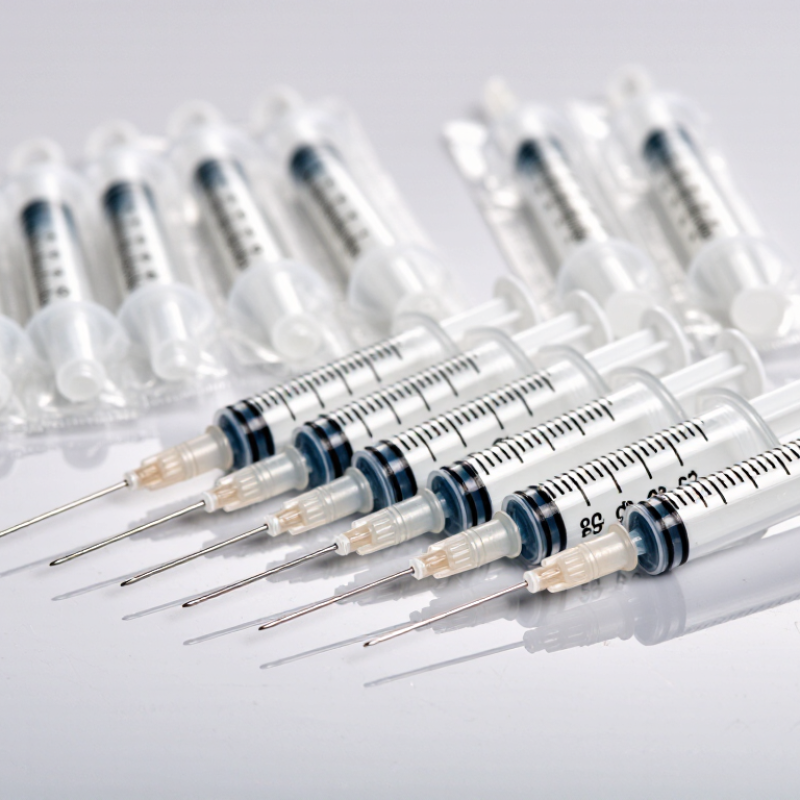
An insulin syringe is a small, single-use device with a fine needle and a barrel marked in insulin units. Its scale must match the insulin concentration; check the label and ask a healthcare professional if unsure. The International Diabetes Federation’s IDF Diabetes Atlas, 10th edition, estimated that 537 million adults aged 20–79 lived with diabetes in 2021. That figure shows the scale of diabetes care, though not everyone uses syringes. Small, precise tools.
To use one, draw up only the prescribed dose and follow the technique taught by a clinician. Inject into a recommended subcutaneous site, such as the abdomen, while rotating sites as instructed. The barrel markings can look straightforward, but a mismatch between syringe scale and insulin concentration can cause dosing errors. Never share or reuse a syringe; place used needles in an approved sharps container and follow local disposal guidance.
Tips: Check the syringe scale before drawing insulin. Read the dose at eye level, and pause if the markings are unclear. Ask a pharmacist or clinician to demonstrate the process; written instructions may not answer every practical question.
| Topic | Specification or Fact | Practical Relevance |
|---|---|---|
| What an insulin syringe is | A sterile, graduated syringe designed to measure and inject insulin. Many models are supplied with a permanently attached needle. | Its scale is intended for insulin dosing; it should not be treated as a general-purpose volume syringe. |
| Common U-100 capacities | For U-100 insulin, commonly available syringe capacities include 0.3 mL (30 units), 0.5 mL (50 units), and 1 mL (100 units). | Select a capacity that can hold the prescribed dose while allowing the markings to be read clearly. |
| Insulin concentration and scale | U-100 insulin contains 100 units per mL. Syringes are marked for a particular insulin concentration; other concentrations, such as U-40, require a matching syringe. | Check the insulin label and syringe scale before use. Using a syringe calibrated for a different concentration can result in an incorrect dose. |
| Graduation markings | Marking increments vary by syringe capacity and design. The package labeling specifies the scale and its unit increments. | Choose markings that allow the prescribed dose to be measured accurately, and read the scale at the correct reference point shown in the instructions. |
| Needle gauge and length | Insulin syringe needles are commonly offered in fine gauges, such as 28G–31G, and in various lengths. Available lengths differ by product and market. | Needle choice should follow the user’s clinical guidance and the product instructions; gauge and length are not interchangeable specifications. |
| Route of administration | Insulin is generally administered into the subcutaneous tissue, following the instructions provided by a healthcare professional. | Injection site, technique, and any need for a skin fold depend on the person and the needle used. Follow individualized medical advice. |
| Basic use sequence | Confirm the insulin and dose, inspect the syringe and package, draw up the prescribed amount as directed, inject using the taught technique, and withdraw the needle. | Always follow the insulin and syringe instructions and the technique demonstrated by a healthcare professional. Do not change a prescribed dose based on this table. |
| Single-use and disposal | Insulin syringes are generally labeled for single use. Used syringes should be placed in an approved sharps container in accordance with local disposal rules. | Do not share or reuse a syringe. Safe disposal helps reduce needlestick injuries and contamination risks. |
| Storage and package checks | Keep unused syringes in their original packaging and follow the storage conditions stated by the manufacturer. Do not use a syringe if its package is damaged or its sterility may be compromised. | Check the label, size, scale, and expiration information before use. |
| Manufacturer evaluation: product documentation | Review product specifications, intended use, insulin concentration compatibility, capacity, graduation scale, needle dimensions, sterility information, and instructions for use. | Clear, consistent documentation helps buyers compare products and verify that the syringe suits the intended application. |
| Manufacturer evaluation: quality controls | Ask for applicable regulatory and quality-system documentation, test information, traceability details, and evidence that the product meets relevant requirements in the destination market. | Requirements vary by market. Verify current certificates and product registrations with the issuing body or relevant regulator rather than relying on claims alone. |