Top Tips for Finding the Best Pylon Gas Canopy Solutions?
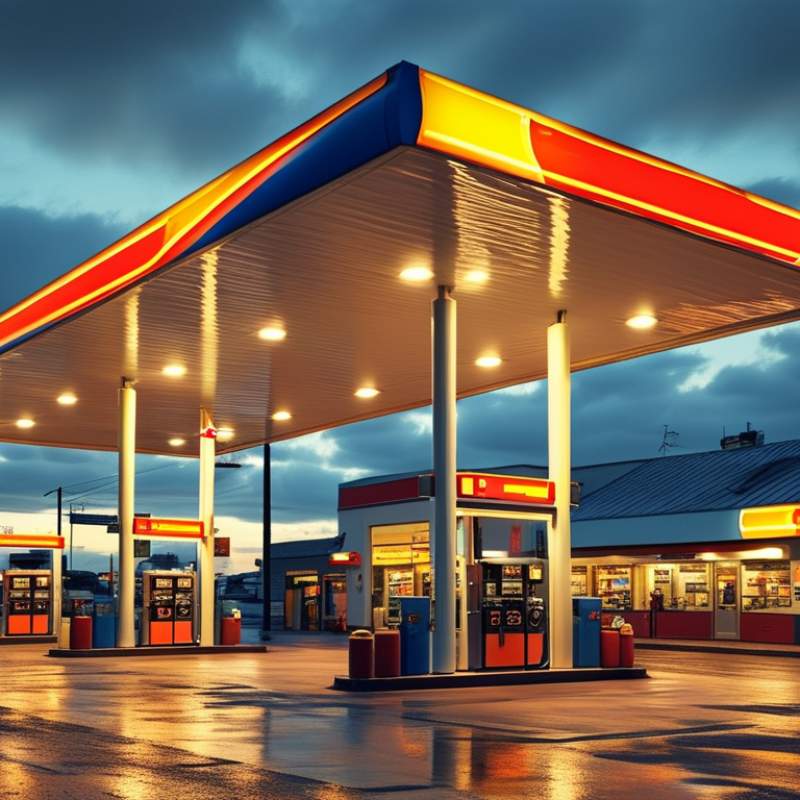
In the competitive landscape of fuel and convenience retailing, "Pylon Gas Canopy" solutions stand out. Industry reports indicate that visually appealing canopies can boost fuel sales by up to 20%. This highlights the need for effective designs that enhance branding and customer experience.
Choosing the best Pylon Gas Canopy involves careful consideration of various factors. Quality materials ensure durability, while installation efficiency contributes to a quick rollout. A well-designed canopy should also comply with local zoning laws to avoid legal setbacks.
Yet, not all solutions meet high standards. Some canopies fade quickly or struggle in harsh weather. This calls for a critical assessment of options available. Investing in a reliable provider is essential for long-term success and peace of mind. In a market where every detail matters, the right choice can make a significant difference.
Understanding Pylon Gas Canopy: Key Features and Benefits
Pylon gas canopies provide essential protection for fueling stations. These structures shield fuel pumps from weather elements. This enhances safety and usability for customers. A well-designed gas canopy ensures vehicles can refuel without issue, regardless of conditions.
Key features of pylon gas canopies include durable materials and customizable designs. Materials like steel and aluminum ensure longevity. Customization options allow for branding, which can boost visibility. However, some canopies struggle with structural integrity over time. Regular maintenance is necessary to address wear and tear.
The benefits of using a pylon gas canopy revolve around customer experience. A good canopy invites drivers to refuel without hesitation. It also enhances the aesthetic appeal of the station. However, some installations can appear bulky or out of place. Considering the environment is crucial when selecting a design.
Assessing Your Needs: What to Consider Before Selecting Solutions
When considering pylon gas canopy solutions, it’s essential to assess your specific needs. Start by evaluating your location. Geographic factors, such as weather patterns, greatly influence the design and materials required for durability. Heavy winds and rain will necessitate stronger structures. This consideration can save costs on maintenance and potential future repairs.
Next, think about the dimensions and layout of your space. Will a standard size fit, or are custom solutions necessary? Measure the area accurately. Keep in mind that overloading your space with an oversized structure can lead to issues like reduced visibility and safety hazards. Reflecting on these elements ensures functionality without sacrificing aesthetics.
Don’t overlook any compliance requirements. Local regulations may dictate certain standards for safety and environmental impact. Proactively investigating these rules can prevent costly legal issues later. However, striking a balance between compliance and creativity is challenging. You may need to rethink your initial design ideas. This sometimes leads to innovative solutions that meet all requirements while still standing out in your community.
Evaluating Material Options for Durability and Aesthetics
When selecting materials for a pylon gas canopy, durability and aesthetics are key considerations. Durable materials withstand harsh weather, while appealing designs attract customers. Metal, wood, and fabric are common choices. Each has pros and cons.
Metal canopies are robust and often feature a sleek design. They resist rust when treated, but they can be cold and uninviting. Wood offers warmth and character but requires regular maintenance to prevent rot. A high-quality finish can enhance its look. Fabric options are lighter and can be colorful but may tear or fade under strong sunlight.
Sometimes, the choice comes down to practicality versus appeal. A flashy design may draw customers, but if the structure fails quickly, it undermines your investment. Think about long-term use. Balancing attractiveness with the inherent practicality of materials is essential. Don’t underestimate the impact of quality choices.
Top Tips for Finding the Best Pylon Gas Canopy Solutions
| Material Type | Durability (Years) | Aesthetic Appeal | Maintenance Level | Cost Efficiency ($/sqft) |
| Aluminum | 20 | High | Low | 4.50 |
| Steel | 30 | Medium | Medium | 5.00 |
| Fabric | 5 | High | High | 3.00 |
| PVC | 10 | Medium | Medium | 2.50 |
| Composite | 15 | High | Low | 6.00 |
Comparing Design Styles: Choosing the Right Look for Your Business
When choosing a pylon gas canopy for your business, design style plays a crucial role. The right look can attract customers and reflect your brand's identity. Invest time in understanding various design elements. Consider colors, materials, and shapes that resonate with your target audience.
A clean, modern design can evoke professionalism. However, a more classic style might align with certain markets. Analyze your competitors to identify what works. Engage with customers to gauge their preferences as well.
Here are some tips to help you along the way. First, prioritize functionality. The canopy should protect customers from the elements. Secondly, ensure visibility. Bright colors and innovative shapes can make a significant difference. Lastly, think about maintenance. Simple designs often require less upkeep. Balancing aesthetics with practical needs is vital in creating the perfect canopy.
Budgeting and Cost Factors: Investing in Quality Pylon Gas Canopies
When considering pylon gas canopies, budgeting is crucial. Quality solutions can have varying costs based on materials and design. Reports show that investing in robust canopies can lead to long-term savings. On average, businesses find that durable canopies last 20% longer than cheaper alternatives. This means fewer replacements and lower maintenance costs.
Tips for budgeting wisely include determining your site requirements upfront. Assess local regulations; compliance can impact costs significantly. Get estimates from multiple suppliers to compare prices. Understanding installation costs is also essential. Some canopies may appear cheaper, but hidden costs can inflate the budget.
Investing in pylon gas canopies requires balancing quality and cost. A 2022 industry survey revealed that 45% of businesses regretted cutting corners to save money. They found that cheaper canopies often resulted in increased repair costs. It’s essential to weigh initial costs against potential long-term expenditures. Quality investments can enhance safety and service reliability, leading to better overall results.
Budgeting for Pylon Gas Canopies: Key Cost Factors