2026 Best Rubber Gym Mats for Home Fitness What to Choose?
Choosing the right rubber gym mats can transform your home workout experience. These mats provide more than just comfort; they enhance safety and durability. Whether you're lifting weights, practicing yoga, or doing high-intensity training, the right mat is essential.
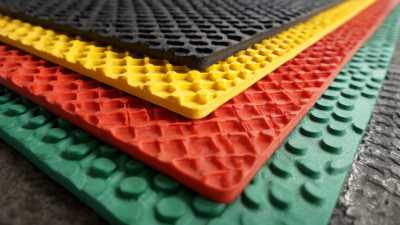
Rubber gym mats come in various thicknesses and textures. Some are designed for shock absorption, while others offer superior grip. A well-chosen mat can reduce the risk of injury and improve your overall performance. However, not all mats are created equal. It can be overwhelming to find the perfect option for your needs.
Consider factors such as size, material quality, and purpose. A thick mat might be great for heavy lifting but impractical for yoga. Reflect on your workout routine and space. Mistakes happen when rushing into a purchase. Take your time, evaluate your options, and remember, the best choice supports your fitness journey.
Factors to Consider When Choosing Rubber Gym Mats for Home Use
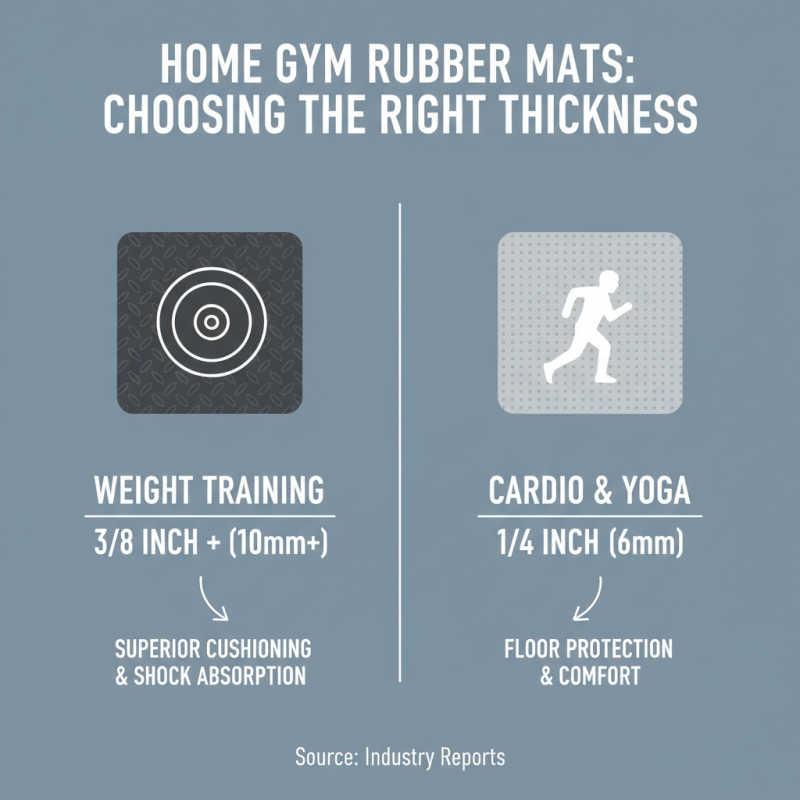
When selecting rubber gym mats for home fitness, several factors play a crucial role. The thickness of the mats is essential. Thicker mats provide better cushioning and shock absorption. According to industry reports, mats with a thickness of 3/8 inch or more are ideal for weight training, while those at 1/4 inch work well for cardio activities.
Material quality also matters. Rubber mats are typically made from recycled materials, raising concerns regarding durability and odor. Some mats may emit a strong smell when new, which can be off-putting. Many users report needing time to air them out. Additionally, the texture affects grip. A rougher surface can prevent slipping, but it may also cause discomfort during floor exercises.
Size is another critical factor. Mats should fit the intended space while allowing for movement. Some users underestimate the space needed for larger equipment or workouts. Reports indicate that improper sizing can limit workout effectiveness and lead to safety hazards. It's essential to measure the area before purchasing. Lack of planning in choosing the right size can lead to frustration later.
Types of Rubber Gym Mats: Which One is Right for Your Workout?
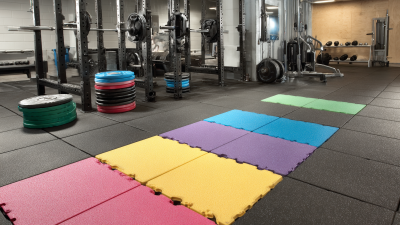
When choosing rubber gym mats, consider the types available. The most common types are interlocking mats, roll-out mats, and tiles. Each type has its unique features and benefits.
Interlocking mats are easy to install. They provide excellent cushioning for high-impact workouts. However, they can shift during heavy exercise, creating a trip hazard. Roll-out mats are portable, perfect for those with limited space. But they may not offer enough grip for intense workouts. Tiles are durable and often used in professional gyms. They can be heavy, making installation challenging.
Tip: Before purchasing, test the mats if possible. This ensures the firmness and grip meet your workout needs.
Not all rubber mats are created equal. The density and thickness vary. According to industry reports, thicker mats provide better shock absorption. However, some users might find them too soft for stability during lifts. A 1/2-inch thickness is often recommended for versatile use.
Tip: Consider your floor type. A mat that performs well on concrete may not work as effectively on carpet. Reflect on the style of your workouts. Choose mats that enhance your performance while ensuring safety.
2026 Best Rubber Gym Mats for Home Fitness: What to Choose?
| Type of Rubber Gym Mat |
Thickness (mm) |
Surface Texture |
Ideal For |
Price Range ($) |
| Interlocking Mats |
15-20 |
Smooth or textured |
Multipurpose workouts |
50-100 |
| Roll-Out Mats |
4-10 |
Flat |
Yoga, Pilates |
30-60 |
| Heavy Duty Mats |
20-25 |
Textured |
Weightlifting |
100-200 |
| Foam-Rubber Combination Mats |
10-15 |
Soft |
Cardio, Aerobics |
40-80 |
| Puzzle Mats |
15 |
Textured |
Home Gym, Play Areas |
25-70 |
Durability and Maintenance of Rubber Gym Mats
Rubber gym mats are essential for home fitness. They provide a durable surface for workouts. However, understanding their durability and maintenance is crucial.
Studies show that high-quality rubber mats can last between 10 to 15 years, depending on usage. This lifespan is impressive when compared to foam or carpet options. Regular wear and tear is inevitable, especially in high-traffic areas. Routine inspection is essential to catch any signs of degradation. Clean your mats frequently to avoid mildew and odors. Simple soap and water can do wonders.
Maintenance might seem tedious. Yet, it's vital. Some users overlook minor damages. A small tear may grow into a larger problem. Users should address issues promptly. Neglecting repairs can also compromise safety. Keeping mats in good condition ensures a safe workout environment. Adopting simple care practices helps extend their lifespan.
2026 Best Rubber Gym Mats for Home Fitness
Top Features to Look for in Quality Rubber Gym Mats
When choosing the best rubber gym mats for home fitness, several key features stand out. First, the thickness of the mat matters significantly. A standard thickness ranges from 6mm to 12mm. Thicker mats offer better cushioning, but their weight might deter some users. According to industry data, mats of at least 10mm provide optimal support for high-impact workouts, reducing the risk of injury.
Another crucial aspect is the material's durability. Quality rubber mats should be made from non-toxic, high-density rubber. This ensures they can withstand heavy equipment and intense workouts. Reports show that mats with anti-slip surfaces increase safety during exercises. Over time, cheaper mats may wear down, absorbing sweat and odors, which isn't ideal for a home gym.
Finally, consider the mat's texture and maintenance. Textured surfaces help with traction but can be harder to clean. Regular maintenance is needed to preserve the mat’s quality. In a study, 45% of users reported slipping issues with mats lacking proper texture. It’s a reminder that not all mats are created equal. An ideal mat balances comfort, durability, and ease of cleaning.
Comparative Pricing: Budgeting for Your Home Gym Mats
Creating a home gym requires careful budgeting for gym mats. Rubber gym mats vary greatly in price, making it essential to find the right balance. You might consider mats that cost between $1 to $3 per square foot. Thicker mats usually provide better cushioning but may be pricier.
When budgeting, think about your workout needs. Are you doing high-impact exercises? If so, investing in thicker mats may be wise. However, cheaper options can still serve for low-impact activities. Remember that it’s easy to underestimate how much quality matters. A cheaper mat may wear out quickly, leading to more spending down the line.
Assessing your space is crucial. Measure your exercise area thoughtfully. Think about how many square feet you'll need. Additionally, note that some mats are interlocking, which can save you money if you're on a tight budget. Yet, adjusting your plans to accommodate cheaper mats could lead to mistakes. Balancing cost and quality can be tricky, but thoughtful planning helps.