
China Top 10 Channel Magnet Manufacturers for Buyers

Buying Channel Magnets requires more than comparing prices or catalog photos. A neat steel channel can still underperform if its magnet grade, dimensions, or working surface do not match the application. For this guide to China’s top 10 Channel Magnet manufacturers, buyers should examine pull-force data, tolerances, coating options, and production consistency. Ask how each supplier tests finished parts. Request drawings, sample units, and written specifications before approving a large order. Small details matter. A channel that sits unevenly can leave a visible gap on a cabinet door or fixture.

Magnetics expert Dr. David Jiles’s research offers a useful principle, paraphrased here rather than presented as a direct quotation: assess the complete magnetic circuit, not just the magnet material. That perspective helps buyers compare ferrite and neodymium designs with the steel channel and intended contact surface in view. The profiles below are intended to help readers shortlist manufacturers, not declare one universal winner. Factory capabilities and product quality can vary by model and production run. A supplier’s polished catalog is not proof of consistent performance. Weigh documented test results, communication, customization experience, and sample quality together. Even then, a sample may not reveal every production issue. Verify critical dimensions and magnet strength on delivered batches where practical. Manufacturers that answer technical questions clearly often make evaluation easier, though no single sign guarantees a good purchase.
China Top 10 Channel Magnet Manufacturers for Buyers

What Channel Magnets Are and How They Work

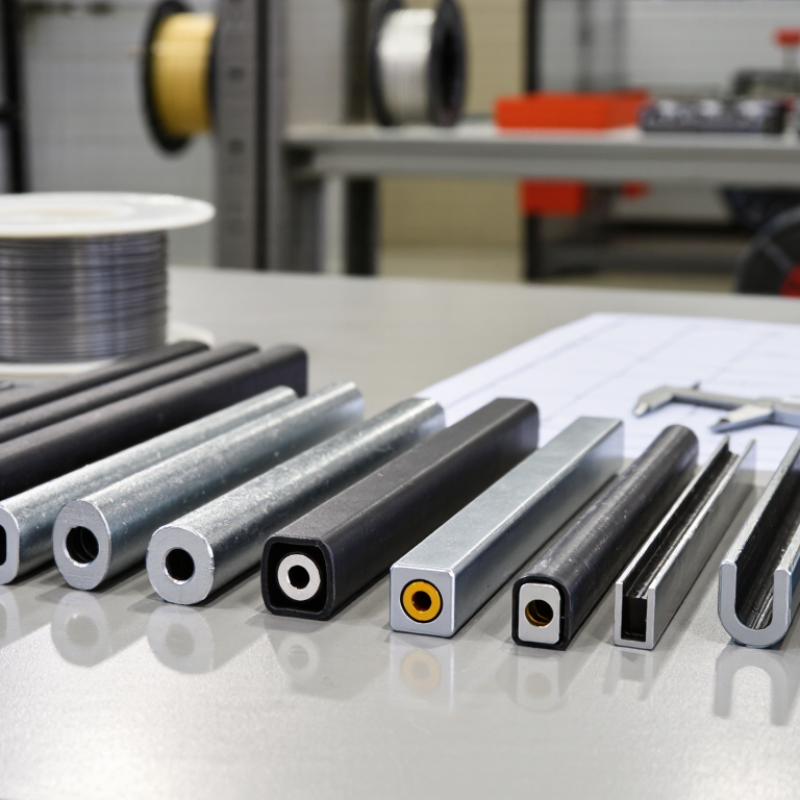
A channel magnet combines a permanent magnet with a U-shaped steel channel. The channel helps direct magnetic flux toward the open face and shields the magnet’s edges from knocks. It can hold against suitable iron or steel surfaces, while countersunk holes often allow screw mounting. Simple construction, but details matter.

When the magnet meets a steel plate, magnetic attraction creates the holding force. In practice, the published pull rating may not match a real installation. It usually assumes clean, flat, thick steel and a direct pull away from the surface.

Paint, rust, dust, a curved panel, or even a small air gap can reduce contact and holding strength. Sideways loads can also make the magnet slide. That detail is easy to overlook.

For a cabinet door, a small channel magnet may work well; for a vibrating machine cover, the mounting method and load need closer testing.

Check the actual surface, direction of force, and required safety margin before choosing a size. A quick trial can help, though it is not a substitute for careful assessment.

Materials, Manufacturing Processes, and Key Specifications

Channel magnets combine a permanent magnet with a shaped steel channel that protects the magnet and directs its holding force. Common options use ceramic ferrite for economical, corrosion-resistant applications, or neodymium for stronger force in a compact size. The right material depends on load, temperature, exposure, and available space. Stronger is not always better.

Manufacturing details affect consistency. Suppliers may cut or form steel channels, install magnet segments with adhesive or mechanical retention, then inspect dimensions and magnetic performance. Ask how polarity, bonding, and coating are controlled. A neat sample is useful, but batch records matter more. Small gaps change results.

Compare channel width, length, mounting-hole positions, magnet grade, and working temperature. Request holding-force data with the test surface and method stated; a thick, flat steel plate can produce very different results from a painted or curved surface. A detail buyers sometimes overlook is the air gap. Paint, debris, or uneven contact can sharply reduce practical holding force. Confirm corrosion protection and tolerances with drawings, then test representative samples under your real load and installation conditions. Published figures alone are not enough.

How Buyers Can Evaluate Chinese Channel Magnet Manufacturers

Buyers evaluating Chinese channel magnet manufacturers should look beyond quoted pull force. Ask how force was measured: across what steel thickness, air gap, and contact area? A value without test conditions is difficult to compare. Request a sample and test it against your own workpiece, not only the supplier’s fixture.

The International Energy Agency’s Global Critical Minerals Outlook 2024 estimates that China produces about 90% of the world’s permanent magnets. That concentration makes supplier verification especially useful. Review material grades, dimensional tolerances, coating specifications, and batch-level inspection records. For example, check whether a channel magnet’s steel casing stays seated after repeated handling, and whether its coating resists moisture in your intended environment. Request traceable test data, not just a polished certificate.

A factory audit can reveal whether magnetizing, assembly, and final inspection are controlled processes. Ask how rejected units are separated and how production changes are documented. Check sample consistency across more than one batch. A neat report can still miss real-world variation. Even a careful checklist has limits; a small pilot order may expose issues that paperwork cannot.

China Top 10 Channel Magnet Manufacturers for Buyers - How Buyers Can Evaluate Chinese Channel Magnet Manufacturers

A practical comparison framework for assessing suppliers of channel-shaped permanent magnet assemblies. The criteria and weights below are a buyer-proposed scoring guide, not a published industry ranking or verified rating of individual manufacturers.

No. Evaluation dimension Suggested weight What buyers should verify Practical evaluation method
1 Magnetic performance and test conditions 15% Whether the supplier specifies holding or pull force for the proposed assembly, together with the test setup. Measured force depends on factors such as the contacting steel, surface condition, air gap, load direction, and test method. Request a test report and repeatable test procedure. Compare samples using the same steel plate, contact area, loading direction, and measurement equipment.
2 Material and grade traceability 14% The magnet material used in the assembly, its grade or specification, and the supplier’s ability to link material records to production batches. Ask whether the design uses NdFeB, ferrite, or another material and why it suits the application. Request material declarations, batch identification, and relevant incoming inspection records. Check that the quoted material matches the drawing and operating requirements.
3 Dimensional capability and drawing control 12% Control of channel dimensions, hole locations, magnet placement, and any specified tolerances. Confirm how drawing revisions are reviewed and approved. Send a controlled drawing and request a dimensioned sample inspection report. Check critical dimensions on samples before approving production.
4 Operating environment and temperature suitability 11% Compatibility with the expected temperature, humidity, vibration, and exposure conditions. Maximum service temperature depends on the magnet grade and assembly design; it should not be inferred from material family alone. Provide the actual operating conditions and ask for the proposed grade, design limits, and supporting technical documentation. Validate performance under relevant application conditions.
5 Corrosion protection and finish 10% Protection for both the magnet and the steel channel, including coating or plating type, coverage, and suitability for the intended environment. A coating on one component does not necessarily protect the complete assembly. Request coating specifications and inspection criteria. For demanding environments, define exposure conditions and agree on an appropriate verification test before ordering.
6 Quality management and inspection records 10% Documented production controls, nonconformance handling, calibration practices, and final inspection. If a supplier claims certification, confirm its validity, scope, and issuing body. Review relevant quality documents and a sample inspection record. Ask how defects are contained, investigated, and prevented from recurring.
7 Manufacturing process and assembly consistency 8% How the channel, magnet components, bonding or fixing method, and assembly orientation are controlled. Confirm that changes to materials or processes require approval. Request a process overview and sample approval plan. Check assembly orientation and construction against the approved drawing or specification.
8 Sampling, customization, and production readiness 8% Ability to produce the required shape, mounting features, and magnetic configuration, as well as clarity on sample and production lead times. Start with a defined prototype or pre-production sample. Approve documented acceptance criteria before placing a repeat or volume order.
9 Compliance and material documentation 7% Availability of documents required for the destination market and application, such as material declarations or applicable restricted-substance documentation. Requirements depend on the product and market. State the destination market and required documents in the request for quotation. Verify documents against the exact material and product being supplied.
10 Commercial clarity and export packing 5% Clear quotation scope, minimum order quantity, payment terms, delivery basis, packaging, and responsibility for freight or duties. Confirm packaging protects the parts and accounts for magnet handling requirements. Compare quotations on the same specification and delivery basis. Request a packing description and confirm shipping documents and delivery responsibilities in writing.
Total suggested weighting 100% Score each supplier against the same requirements, evidence, sample tests, and commercial assumptions.

Buyer note: Use this framework to compare suppliers rather than treating it as a ranking. Confirm technical claims with drawings, material records, samples, and tests relevant to the intended application.

Profiles of 10 Leading Channel Magnet Manufacturers in China

China’s channel-magnet suppliers vary in tooling, materials, and quality controls. These ten profiles describe common specialisms, not an independently audited ranking. One manufacturer may focus on custom steel channels, shaping housings to fit narrow assembly spaces. Another supplies standard ferrite models for fixtures and light-duty holding. A third makes compact neodymium units where stronger attraction is needed. Test the actual assembly. A magnet’s holding force changes with the air gap and contact surface.

A fourth profile centers on long channel magnets for retail displays or workshop tools. A fifth offers countersunk holes for screw mounting; a sixth emphasizes adhesive-backed parts for smooth panels. A seventh handles small production runs and varied dimensions. Details matter: ask about channel thickness, hole spacing, coating, and dimensional tolerances. A neat drawing does not guarantee a neat fit.

The eighth type specializes in corrosion-resistant finishes for humid settings. A ninth supports repeat orders with documented inspection checks. The tenth provides application guidance, such as choosing between ferrite and neodymium. Compare samples under real operating conditions, not only catalog figures. Request material data and batch inspection records. Supplier descriptions can sound similar, and this comparison is not perfectly tidy; confirm each specification before production.

Comparing Suppliers and Planning a Reliable Purchase

Comparing channel magnet suppliers takes more than checking quoted prices. Ask for the channel dimensions, magnet grade, coating, and stated holding-force test method. A force figure without test conditions can mislead. Was the measurement taken against thick steel, or a thin sheet with an air gap? Small differences matter on a production line. Request a sample made to the proposed specification, then check its fit, finish, and pull in your actual setup. It takes time.

A reliable purchase also depends on repeatability. Compare inspection records, batch identification, packaging, lead times, and how the supplier handles specification changes. For example, a channel that sits beside a moving steel part may need a tougher surface finish than one used indoors on a stationary fixture. Confirm dimensions in writing, including hole locations and allowable variation. Ask what happens if a later batch differs from the approved sample. A low quote may exclude useful checks or protective packing; clarify both before comparing totals. I might still miss a detail on the first review, so a simple drawing with marked measurements helps catch assumptions early. Keep the approved sample and its test notes for future orders.

Back To Top