How to Choose the Best Breaker Lockout Kit for Safety?
In industrial environments, safety remains a paramount concern. According to the U.S. Bureau of Labor Statistics, over 3 million non-fatal workplace injuries occur annually. Many of these incidents stem from inadequate lockout/tagout procedures. This highlights the importance of having a reliable Breaker Lockout Kit.
Selecting the right Breaker Lockout Kit is crucial for effective safety measures. Industry leaders recommend kits that include multiple padlocks, lockout hasps, and clear instructions. A comprehensive kit can prevent accidental equipment start-ups, protecting workers from potential hazards.
Yet, choosing the best kit can be overwhelming. Not every product on the market meets safety standards. Reviewing industry benchmarks and user feedback can provide valuable insight. Neglecting to invest in a quality Breaker Lockout Kit can lead to grave consequences. Prioritizing safety and compliance should be the goal of every organization, ensuring a safer work environment for all.
Understanding Breaker Lockout Kits and Their Importance
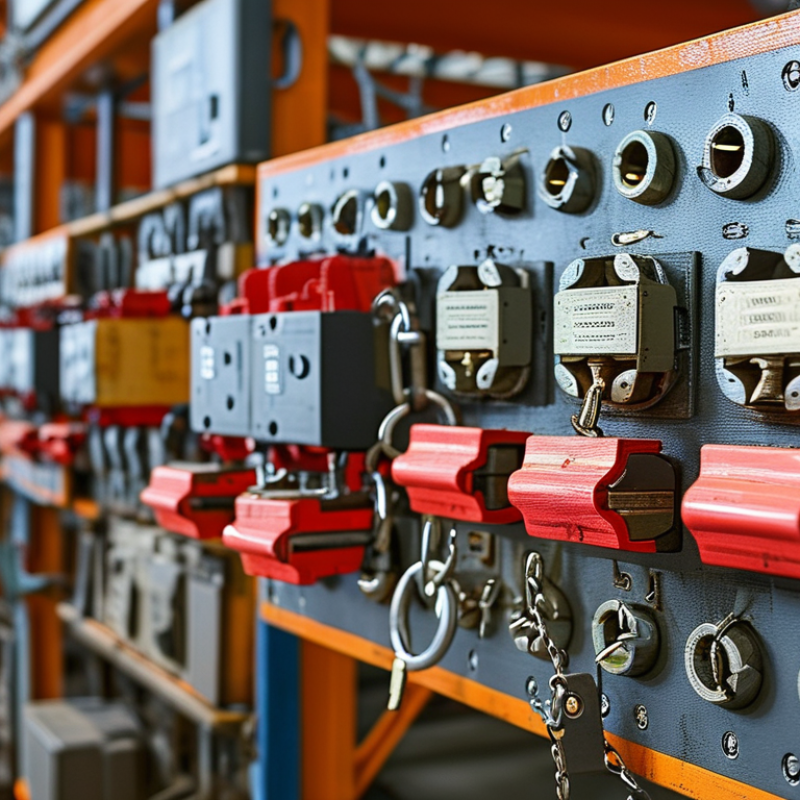
Breaker lockout kits play a crucial role in ensuring workplace safety. They prevent accidental energization of electrical circuits during maintenance. Understanding these kits is essential for creating a secure environment for workers. Each kit typically includes padlocks, tags, and various lockout devices. The right equipment helps mitigate risks significantly.
Choosing the best lockout kit requires understanding your specific needs. Assess the types of machinery used in your facility. Identify the circuits that need isolating. Ensure the kit includes appropriate lockout devices. Equipment varies widely, and having the wrong tools can lead to dangerous situations. Regularly inspect your kits and replace worn items.
Consider training employees on proper usage. Safety protocols are only effective if everyone is knowledgeable. Keep the kits stored in a designated, accessible area. This ensures quick access during emergencies. The goal is to promote a culture of safety and accountability. Engage your team in discussions about improvements. A proactive approach creates an environment where safety thrives.
Key Factors to Consider When Selecting a Breaker Lockout Kit
Selecting the ideal breaker lockout kit is essential for workplace safety. When evaluating options, consider the quality of materials used. Durable materials minimize wear over time. Reports indicate that nearly 20% of workplace accidents are due to inadequate lockout/tagout procedures. High-quality kits provide effective isolation of energy sources, greatly reducing risks.
Another crucial factor is the variety of lockout devices included in the kit. A comprehensive lockout kit should cover various types of breakers and energy sources. Industry standards suggest having at least five different padlocks for versatility. This ensures thorough safety measures in diverse operational scenarios.
User-friendliness is also critical. A complicated kit may lead to improper usage, undermining safety. Studies show that 30% of workers struggle with lockout devices. Training and clear instructions can mitigate these issues. Reflecting on the ease of use is vital for effective safety practices in any environment.
Types of Lockout Devices Commonly Found in Kits
Choosing the right breaker lockout kit is essential for workplace safety. Understanding the types of lockout devices included in these kits is crucial for compliance and risk management. Common lockout devices found in kits include padlocks, valve lockouts, and circuit breaker lockouts. Each contributes uniquely to securing energy sources effectively.
Padlocks are vital in any lockout kit. They prevent unauthorized access to equipment during maintenance. It's important to ensure padlocks are durable, and ideally, identifiable by color or label. Valve lockouts are another critical component. They protect against accidental valve operation, which can lead to hazardous situations. Regularly inspecting these devices for signs of wear can prevent failures.
Adapters for circuit breakers serve as a proactive measure. They fit securely over the switch, ensuring it remains off. It's necessary to train employees on the proper usage of these devices. Inadequate training can lead to misuse. Frequent audits of the lockout procedures enhance safety compliance. Accidents related to improperly secured machinery can be costly, affecting both human health and financial performance.
Evaluating the Quality and Durability of Lockout Kits
When selecting a breaker lockout kit, quality and durability are paramount. High-quality materials can withstand frequent use and harsh conditions. Look for kits made from robust plastic or metal components. These materials resist wear and tear, offering reliable protection against accidental energization of equipment. A durable kit will ensure that safety measures are consistently upheld.
Pay attention to the design of the lockout devices. They should be user-friendly and easy to manipulate, even in difficult situations. Devices that require excessive force or complex handling can lead to unsafe practices. Additionally, ensure that the locking mechanisms function smoothly. Sticking locks can create frustration and inefficiency, undermining the very safety they are supposed to provide.
Another detail to consider is the range of devices included in the kit. A comprehensive kit often addresses various lockout needs, enhancing workplace safety. Regularly inspecting and maintaining the kit is essential as well. Over time, even the best products can show signs of wear. Ensuring that every component is in optimal condition can significantly impact safety outcomes. Reflecting on these aspects can lead to better choices for your safety equipment.
Ensuring Compliance with Safety Regulations and Standards
When selecting a breaker lockout kit, compliance with safety regulations is vital. According to the Occupational Safety and Health Administration (OSHA), failure to properly lockout equipment can lead to injuries. An alarming report from the National Safety Council states that more than 3 million workplace injuries occur annually. This highlights the need for effective safety measures.
The lockout/tagout standard (29 CFR 1910.147) requires organizations to implement specific procedures. Adhering to these regulations can greatly reduce the risk of accidents. A well-designed lockout kit should include a variety of lockout devices to cover different machinery. It's crucial to ensure that these devices meet the regulatory guidelines. Regular audits are necessary to ascertain that the equipment is functioning effectively and that all standards are being met.
Choosing the right kit also means understanding your facility's unique needs. Some industries may require more complex solutions than others. While many kits are available, not every option will offer full compliance. Inspect existing lockout procedures and identify areas needing improvement. This self-reflection can be instrumental in elevating safety standards within the workplace.