
How to Choose a Fried Melon Seeds Factory in 2026

Choosing a Fried Melon Seeds Factory in 2026 takes more than comparing prices or attractive product photos. The right partner should show how it controls seed selection, roasting, seasoning, cooling, and packing. Small differences matter. A sample can reveal uneven roasting, excessive salt, stale aromas, or shells that feel damp. Ask how the factory checks each batch, maintains equipment, and responds when results fall short. Clear answers are more useful than broad promises.

A careful review should also cover traceability, production capacity, packaging options, and communication. Request current product specifications and relevant quality documents, then confirm that they match the items you intend to buy. If possible, compare samples from different batches and inspect the package seal, ingredient information, and stated shelf life. Details matter. Factory visits or live video tours can help you understand the real production environment, but they do not replace written records or independent checks. Be cautious when a supplier avoids practical questions or pressures you to place a large order quickly.

No single factory is ideal for every buyer. Your best choice depends on target markets, order size, flavor preferences, and delivery needs. Some details may only become clear after a trial order. That is worth admitting. A measured evaluation helps reduce avoidable surprises and supports a more reliable supplier relationship.
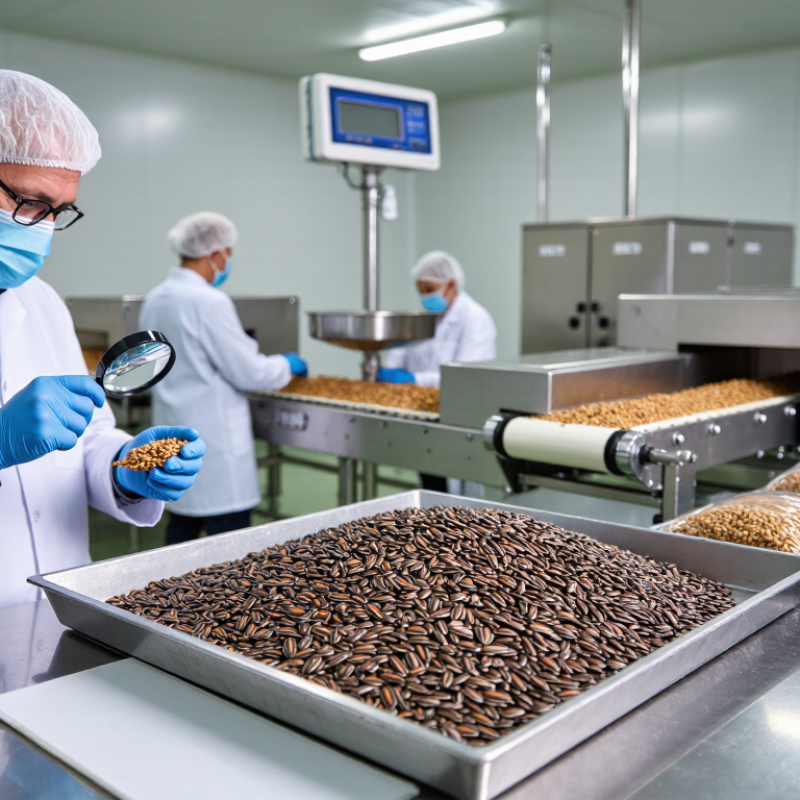
How to Choose a Fried Melon Seeds Factory in 2026

Define 2026 Product Specs: Seed Variety, Moisture, Salt, and Defect Limits

For a 2026 purchase, write the seed variety into the specification, not just “melon seeds.” Identify the species or cultivar, origin, size range, and whether seeds arrive raw or pre-cleaned. Ask the factory to show a recent lot sample and explain how it checks size consistency. Small differences matter. A roast that looks even in a sample may vary across a full production run.

Set moisture limits for the finished seeds, measured after roasting and cooling. The right target depends on the roast, packaging, and expected storage conditions, so agree on a range through trial batches rather than copying a generic figure. Record the test method and sampling point. Salt needs the same clarity: specify percentage by finished product weight, an acceptable tolerance, and how coating consistency is checked. A written number helps, but uneven seasoning can still escape a small sample.

Define defects with observable terms, such as broken shells, empty seeds, scorched pieces, foreign material, and rancid odor. Set limits by count or weight in a stated sample size, then confirm the method during inspection. Keep a retained sample from each approved batch for comparison. I would not treat the first specification as perfect; adjust it after reviewing actual results, especially when the roast changes. Ask the factory to report deviations before shipment, with test records tied to the lot number.

Compare Factory Capacity in kg/h, Batch Size, and Seasonal Utilization

A fried melon-seed factory should be compared by usable output, not its largest quoted kg/h figure. Ask whether capacity means raw, cleaned, or finished seeds; moisture loss and cooling time change the answer. A 300 kg batch with a 45-minute roast cycle equals 400 kg/h on paper, before loading, unloading, and cleaning. Small batches matter. Check the full process line, including the slowest conveyor or cooler.

Seasonality can make a high-capacity line sit idle. FAOSTAT’s 2022 crop data records about 101 million tonnes of watermelon worldwide, but that figure is fruit production, not recoverable seed volume. Seed supply depends on local varieties, recovery practices, and collection schedules. Peak season is brief. Ask suppliers for monthly raw-seed availability, then model realistic operating shifts and off-season storage. Compare annual utilization at several scenarios, such as 40%, 60%, and 80%, rather than assuming continuous production. A spreadsheet can still flatter the line; confirm batch timing with a witnessed trial using your own seed size and target roast level.

Audit Roasting and Packing Controls Against HACCP’s 7 Principles

A reliable fried melon seeds factory should explain how its HACCP plan controls hazards from raw seeds through sealed packs. Ask to see the hazard analysis, not just a certificate. It should consider contamination in incoming seeds, risks during roasting, and foreign objects during packing. Small details matter.

At the roaster, check how the factory identifies critical control points and sets product-specific critical limits. Roast time and temperature should be validated for the actual equipment and seed load. Operators should record readings at defined intervals, using calibrated instruments. If a limit is missed, documented corrective actions should show how affected product is held and assessed. A clean-looking machine alone proves little.

Packing controls deserve the same scrutiny. Observe whether staff inspect seals, manage product exposure, and use suitable foreign-object controls. HACCP’s remaining principles require verification and records: look for review of monitoring logs, equipment checks, corrective-action reports, and trend analysis. Ask who checks the records and how often. A few gaps may reflect rushed paperwork rather than a failed process, but repeated blank entries deserve attention. During a site visit, compare written procedures with what workers actually do, especially during a line change or shift handover.

Verify ISO 22000:2018 Certification and Destination-Market Test Results

When choosing a fried melon seeds factory in 2026, request its ISO 22000:2018 certificate and verify it independently. Check the certificate number, validity dates, issuing body, and exact production-site address. The scope should cover the relevant food-processing activities, not merely general trading. Ask whether the factory’s hazard analysis includes roasting, seasoning, cooling, and packaging. These steps can affect contamination risks and product consistency. A certificate matters, but it is not a magic shield.

Then request recent test reports for the destination market. Reports should identify the tested product, batch or lot number, sampling date, laboratory, and test methods. Check results against the destination’s current requirements, including applicable limits for contaminants and microbiological criteria. For shelled or seasoned seeds, confirm that the report matches the actual product type. A clean result from another batch is useful context, not proof for your shipment. Small detail, big difference.

Compare the documents with the factory’s daily records. Ask how it separates incoming seeds from finished goods and tracks each packed lot. If the report is several months old, ask what changed in production or sourcing since sampling. I would also request a sample from a recent lot and compare its roast color, aroma, and crunch with the specification. Paperwork can look tidy. Real production is less tidy, and that is worth discussing openly.

Check One-Step-Back, One-Step-Forward Traceability and Recall Drill Records

When choosing a fried melon seeds factory in 2026, request a live “one-step-back, one-step-forward” traceability drill, not just a polished flowchart. Can staff link a finished roast batch to incoming seed, oil, seasoning, and packaging lots, then identify every customer shipment? Ask to see the lot codes on actual bags and records. Run the drill during a busy shift. Watch the clock. Paper trails can look complete and still fail at handoffs.

WHO’s 2015 foodborne-disease estimates put the global burden at 600 million illnesses and 420,000 deaths each year. CDC estimates for the United States report 48 million illnesses, 128,000 hospitalizations, and 3,000 deaths annually. These broad figures are not melon-seed-specific, but they show why recall readiness matters. Review dated drill records for start time, affected quantity, contacts reached, and product reconciliation: how much was made, held, shipped, or left unexplained. A useful test includes a mock recall, named staff, and evidence that the factory can trace both supplier lots and downstream deliveries. Small gaps matter. If records rely on one employee’s memory, ask for another drill. Even good systems can stumble. That is worth admitting—and fixing.

How to Choose a Fried Melon Seeds Factory in 2026 - Check One-Step-Back, One-Step-Forward Traceability and Recall Drill Records

Factory assessment checklist. Confirm each item against current, dated records; acceptance criteria below are buyer review checks, not universal statutory thresholds.

Assessment area Records and data to request How to verify Buyer acceptance check Review result
Raw seed receiving — one step back Receiving date; ingredient name; supplier and site identification; supplier lot code; quantity; delivery document; incoming inspection result. Select a finished-product lot and trace its seed ingredient lot to the receiving record and supplier documentation. The supplier lot, receipt date, and quantity are identifiable and linked to the production record. To verify
Production lot linkage Finished-product lot code; production date and line or shift; ingredient lot codes; batch quantity; rework records, if applicable. Compare batch sheets, line records, and packaging or coding records for the same lot. Records connect the finished lot to all relevant ingredient lots and identify any documented rework. To verify
Finished goods — one step forward Finished lot code; pack date; quantity packed; customer or consignee; dispatch date; shipment reference; quantity shipped. Choose a finished lot and trace it to dispatch records and the receiving customer or distribution point. The lot’s known shipments and recipients can be identified from dated records. To verify
Quantity reconciliation Ingredient quantity issued; finished quantity; samples, waste, retained stock, and shipments; documented variance or adjustment. Reconcile a selected lot using production, inventory, and shipping records; review explanations for differences. Quantities are accounted for using the factory’s documented method, with unexplained gaps investigated. To verify
Lot identification and coding Written lot-code procedure; code interpretation; coding checks; retained label or packaging sample. Confirm the code on a sample pack matches its production and packaging records and can be interpreted consistently. The code distinguishes the applicable production lot and is legible on the product pack or case as applicable. To verify
Recall and withdrawal procedure Current written procedure; recall team roles and contact list; escalation steps; customer and authority notification process, as applicable. Check revision date, assigned responsibilities, after-hours contacts, and how affected lots are identified and controlled. The procedure is current, responsibilities are assigned, and the factory can show how product is placed on hold and traced. To verify
Mock recall drill record Drill date; scenario; selected lot; start and completion times; team participants; trace-back and trace-forward results; quantity reconciliation; corrective actions. Review the latest completed drill report and confirm that supporting receiving, production, inventory, and dispatch records are attached or referenced. The record identifies what was tested, documents results and gaps, and assigns actions with owners and completion dates. To verify
Drill follow-up and effectiveness Corrective-action log; closure evidence; repeat-test results where needed; management review or approval. Sample a closed finding and verify its supporting evidence; check whether overdue actions are escalated. Findings have documented owners and closure evidence; unresolved issues have a recorded disposition and follow-up plan. To verify
Record control and retrieval Record retention schedule; storage location; access permissions; backup or retrieval process; applicable retention requirements. Ask staff to retrieve a selected lot’s receiving, production, and shipping records using the lot code. Records are readable, attributable to the relevant lot, protected from loss or unauthorized changes, and retrievable under the factory’s procedure. To verify
Back To Top