How to Choose the Best Entrance Mats for Your Home or Business
When selecting the right entrance mats for your home or business, it’s important to consider how they can impact both aesthetics and functionality. Entrance mats are the first line of defense against dirt, moisture, and debris, helping to maintain cleanliness and safety in any environment. They serve not only as a practical solution but also as an opportunity to enhance the overall decor of a space.
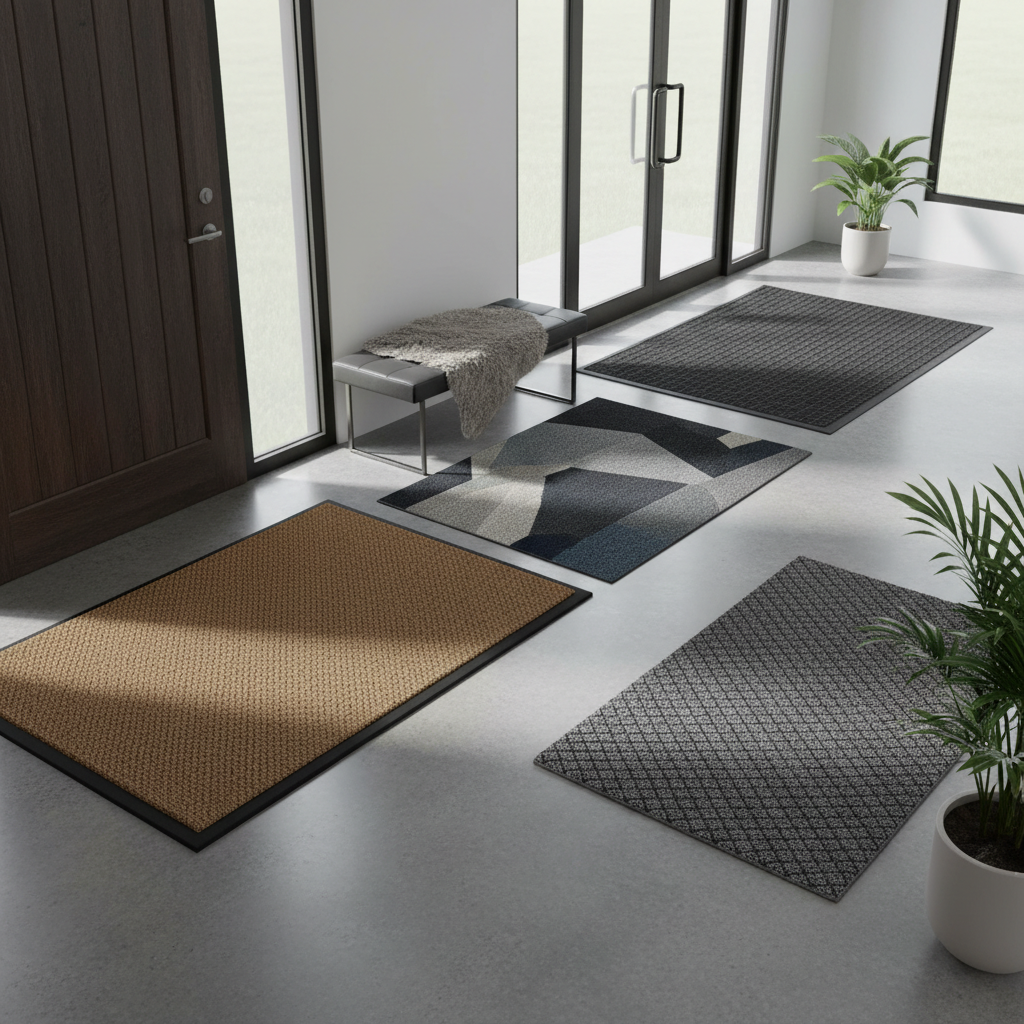
Understanding the diverse types of entrance mats available is essential for making an informed decision. Factors such as material, size, and design play a crucial role in determining the effectiveness of these mats in trapping dirt and ensuring safety. Whether you are looking for mats that provide a warm welcome to guests or those that withstand heavy foot traffic, your choice should reflect your specific needs and preferences. This guide will walk you through the essential considerations to help you choose the best entrance mats for your unique setting, combining both style and utility effectively.
Understanding the Importance of Entrance Mats in Dirt and Moisture Control
Entrance mats play a crucial role in maintaining cleanliness and safety within both homes and businesses.
By effectively trapping dirt, moisture, and debris from shoes, these mats help prevent slippery surfaces and
protect interior flooring. Investing in high-quality entrance mats not only enhances aesthetic appeal but also
significantly reduces maintenance costs related to cleaning and repairs.
Tips: When selecting entrance mats, consider their
material and size. Rubber mats are excellent for outdoor use as they provide durability and flexibility,
allowing them to withstand harsh weather conditions. For indoor areas, look for mats with absorbent
materials to effectively soak up water and mud. Additionally, ensure the mats are large enough to
capture dirt from every shoe, ideally extending at least 3-4 feet into the building.
Another important factor is design. Choose mats with textured surfaces
that enhance grip and reduce slip hazards, particularly in wet conditions. Opt for colors and patterns
that complement your décor while still being functional. Regularly cleaning and maintaining the mats will also
prolong their life and performance, ensuring they continue to serve their purpose effectively.
Types of Entrance Mats: Indoor vs. Outdoor and Their Unique Features
When selecting entrance mats for your home or business, understanding the distinction between indoor and outdoor mats and their unique features is essential. Outdoor mats are designed to withstand harsh weather conditions, effectively scraping dirt and moisture off shoes before entering a building. According to a report by the Cleaning Industry Research Institute, 80% of dirt brought into a facility is tracked in from outside, highlighting the importance of a high-quality outdoor mat. These mats often utilize durable materials like rubber and coir, which provide strong traction and resilience.
In contrast, indoor mats focus primarily on absorbing moisture and preventing slips in high-traffic areas. They are usually made from softer fabrics like nylon or polyester, designed to enhance aesthetics while still performing effectively. The Carpet and Rug Institute states that properly maintained indoor mats can significantly improve indoor air quality by trapping contaminants, making them a crucial investment for health-conscious business owners.
**Tip:** When choosing outdoor mats, look for options with deep grooves for better dirt trapping, while indoor mats should have a non-slip backing to ensure safety. Also, consider the size of the mats; they should be large enough to comfortably fit multiple steps. Regularly cleaning both types of mats will prolong their lifespan and maintain their effectiveness.
Types of Entrance Mats: Indoor vs. Outdoor
This chart compares different types of entrance mats based on their primary features and suitability for indoor and outdoor use.
Material Comparison: Choosing Between Rubber, Nylon, and Carpet Mats
When selecting entrance mats for your home or business, the choice of material plays a crucial role in functionality and durability. Rubber mats are known for their exceptional grip and resilience against heavy foot traffic. According to the International Association of Professional Cleaning and Maintenance, rubber mats can reduce slip-and-fall accidents by as much as 50% when placed at entry points. Their waterproof nature makes them ideal for outdoor use, effectively trapping moisture and debris before they enter the premises.
On the other hand, nylon mats offer outstanding versatility and aesthetic appeal. They are available in various colors and designs, making them suitable for both residential and commercial settings. A study from the Carpet and Rug Institute indicates that nylon’s durability and ability to maintain appearance over time make it a favored choice in high-traffic environments. Moreover, nylon mats are also recognized for their superior cleaning capabilities, allowing them to capture dirt particles effectively. In contrast, carpet mats, while providing a cozy feel, may require more maintenance due to their susceptibility to stains and wear. Thus, choosing between rubber, nylon, and carpet mats involves a careful consideration of traffic levels, usage conditions, and aesthetic requirements.
How to Choose the Best Entrance Mats for Your Home or Business - Material Comparison: Choosing Between Rubber, Nylon, and Carpet Mats
| Material |
Durability |
Moisture Absorption |
Cleaning Requirement |
Cost |
| Rubber |
Highly Durable |
Low |
Easy to Clean |
Moderate |
| Nylon |
Very Durable |
High |
Moderate |
Higher |
| Carpet |
Moderately Durable |
Very High |
Difficult |
Lower |
Evaluating Mat Sizes and Styles for Different Entrances and Foot Traffic
When selecting entrance mats for your home or business, it's crucial to evaluate the sizes and styles that best accommodate the specific entrances and levels of foot traffic you expect.
For high-traffic areas, larger mats that cover the full width of the doorway are ideal. They not only provide a more effective barrier against dirt and moisture but also ensure safer footing, reducing the risk of slips and falls.
Consider the layout of your entrance; a wider mat can help capture more debris, while a longer mat can provide a more thorough cleaning path as people step inside.
Different styles of entrance mats cater to various functions and aesthetics. For instance, coir mats are excellent for scraping off dirt, making them suitable for outdoor use, while rubber-backed mats can offer more traction and durability inside.
Additionally, integrating colorful or patterned mats can complement your décor, enhancing the overall ambiance of the space.
Be mindful of the material; high-quality synthetic options can withstand heavy use and provide superior moisture absorption, making them a practical choice for busy businesses.
By carefully assessing entryway sizes and foot traffic patterns, you can ensure you select the most effective and appropriate mats for your needs.
Maintenance and Lifespan: How Proper Care Affects Mat Performance
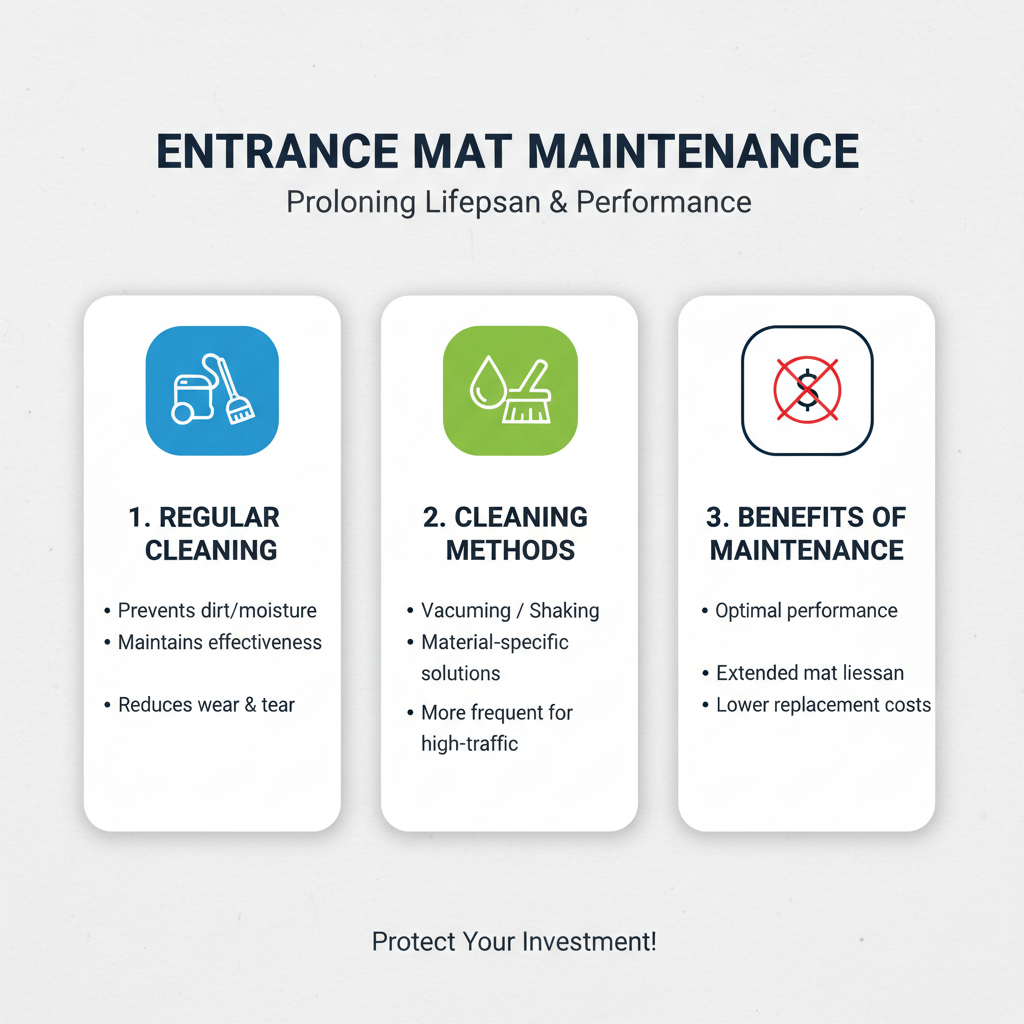
Proper maintenance of entrance mats is crucial for ensuring their optimal performance and extending their lifespan. Regular cleaning is essential to prevent the build-up of dirt and moisture, which can compromise the mat's effectiveness. Depending on the mat material, this may involve vacuuming, shaking out debris, or using specialized cleaning solutions. Mats designed for high foot traffic areas may require more frequent cleaning to maintain their appearance and functionality. Neglecting this maintenance can lead to quicker wear and diminished performance, ultimately resulting in higher replacement costs.
Additionally, the environment in which the mats are placed plays a significant role in their longevity. Mats exposed to extreme weather conditions or heavy dirt accumulation will wear out faster if not properly cared for. Rotating mats periodically and using mat protectors can help distribute wear evenly and extend their life. Regular inspection for damage, such as fraying edges or loss of grip, should also be part of a maintenance routine. By prioritizing proper care, homeowners and business owners can ensure their entrance mats continue to perform effectively, enhancing safety and aesthetics for years to come.