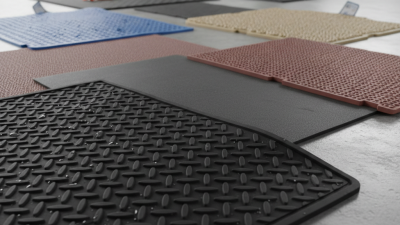
How to Choose the Best Industrial Floor Mats for Your Needs?
Choosing the right industrial floor mats is crucial for various work environments. These mats protect floors and enhance safety for workers. The options can be overwhelming. You might wonder which features are most important.
When selecting industrial floor mats, think about slip resistance and durability. Mats must withstand heavy traffic and spills. Consider the material, thickness, and texture. Each option offers unique benefits tailored to specific needs.
It's also essential to evaluate maintenance requirements. Some mats are easy to clean, while others may require more effort. Reflecting on your workspace and the frequency of cleaning can guide your choice. Ultimately, choosing the best industrial floor mats can significantly improve both safety and productivity in your facility.
Understanding the Different Types of Industrial Floor Mats Available
Industrial floor mats come in various types, each serving specific purposes. Common options include anti-fatigue mats, safety mats, and drainage mats. Anti-fatigue mats support workers who stand for long periods. They reduce fatigue and improve productivity. Safety mats feature slip-resistant surfaces. They help prevent accidents in wet or oily conditions.
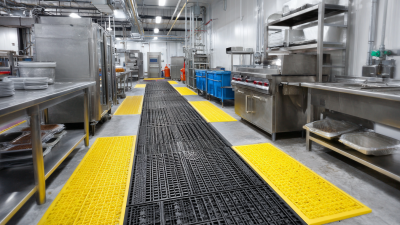
While selecting mats, consider the environment. For wet areas, drainage mats allow liquids to flow through. This helps keep workspaces dry. Evaluate durability; some mats withstand heavy equipment, while others suit lighter use. Think about maintenance too. Mats that are easy to clean save time and effort.
It’s important to assess your specific needs. Not all mats are one-size-fits-all. Some may not perform well in certain settings. Test a sample before making a large commitment. Always remember that the right mat can make a significant impact on safety and comfort in the workplace.
Types of Industrial Floor Mats
This chart illustrates the different types of industrial floor mats and their popularity based on specific industrial needs. Anti-fatigue mats are the most popular, followed by support mats and safety mats, showcasing the diverse requirements in various industrial environments.
Assessing Your Specific Needs and Usage Conditions for Mats
Choosing the right industrial floor mats requires a clear understanding of specific needs and usage conditions. For instance, in high-traffic areas, mats must withstand constant foot traffic and heavy equipment. Data shows that workers in industrial environments can spend up to 60% of their time standing. In such cases, anti-fatigue mats significantly reduce fatigue and improve productivity.
Consider environmental factors too. If the workspace is exposed to moisture or spills, slip-resistant mats become essential. A report by the National Safety Council indicates that falls are a leading cause of workplace injuries. Selecting mats with appropriate drainage features can mitigate these risks.
Evaluate maintenance requirements as well. Some mats require regular cleaning, while others provide easy wipe-down surfaces. Understanding your maintenance capacity ensures longer mat life. Regular inspections can reveal wear and tear, prompting timely replacements. An overlooked detail could lead to safety hazards.
How to Choose the Best Industrial Floor Mats for Your Needs?
| Mats Type |
Material |
Usage Area |
Safety Features |
Durability Rating |
| Anti-Fatigue Mats |
Rubber |
Assembly Lines |
Slip Resistant |
High |
| Entrance Mats |
Polypropylene |
Main Entrances |
Water Absorbent |
Medium |
| Wet Area Mats |
Vinyl |
Kitchens |
Drainage Holes |
High |
| Industrial Safety Mats |
Nitrile Rubber |
Manufacturing Plants |
Electrical Safe |
Very High |
| Comfort Mats |
Foam |
Retail Checkout Areas |
Cushioned Surface |
Medium |
Key Features to Look for in Quality Industrial Floor Mats
Choosing the right industrial floor mats requires careful consideration. Key features can make a significant difference in safety and durability. One essential aspect is material. Mats made from rubber, vinyl, or PVC are preferred for heavy-duty environments. According to the Occupational Safety and Health Administration (OSHA), improper flooring can lead to a significant increase in slip and fall incidents.
Another important feature is thickness. A mat that is too thin may not provide adequate cushioning. Reports suggest that mats should be at least 3/8 inches thick for optimal performance. Furthermore, surface texture plays a crucial role. Textured mats enhance grip, reducing the risk of accidents. A study by the National Floor Safety Institute highlights that textured surfaces can decrease slip accidents by up to 60%.
Finally, consider the mat's resistance to chemicals and fatigue. In environments with exposure to harsh substances, mats should withstand corrosive materials. Additionally, anti-fatigue mats significantly reduce stress on workers' bodies. This can lead to increased productivity. Always remember, the right floor mat can impact employee safety and efficiency. Understanding these features is vital for making an informed choice.
Comparing Costs: Budgeting for Industrial Floor Mats
When budgeting for industrial floor mats, understanding various costs is essential. The average price for industrial mats ranges from $1 to $5 per square foot. This cost varies significantly based on material, thickness, and durability. For example, anti-fatigue mats typically cost more due to their specialized construction. Investing in mats made from high-quality materials might seem costly initially but can provide long-term savings.
It is also important to factor in the potential hidden costs associated with floor mats. These include maintenance expenses and replacements over time. Research indicates that poorly chosen mats can lead to safety hazards, resulting in increased liability costs. According to industry data, businesses could save up to 30% on accidents by using the correct mats. This statistic underscores the significance of making informed choices.
Choosing the right mats involves assessing your specific needs and environment. Some industries may prioritize slip resistance, while others might focus on comfort. A detailed analysis of your workspace can help narrow down your options. Ultimately, investing in the right floor mats is not just an upfront cost; it is a long-term investment in safety and efficiency.
Maintenance and Care Tips for Longevity of Floor Mats
Maintaining industrial floor mats is essential for longevity and effectiveness. Regular cleaning is crucial. Dirt and debris can accumulate and reduce traction. A simple vacuuming can help. For deeper cleaning, consider using a mild detergent with warm water. Ensure the mats dry completely to avoid mold growth.
Inspection is another key aspect. Check for wear and tear frequently. If you notice fraying edges or cracks, it may be time for replacement. Not every mat lasts forever. Patterns of heavy traffic can wear mats unevenly. Rotate mats periodically to distribute wear more evenly.
Storage should also be considered when mats are not in use. Keep them in a cool, dry place. Avoid exposure to direct sunlight, which can warp materials. Even small details like the type of cleaning tools can impact the mat's lifespan. Using a stiff bristle broom might scratch some surfaces. Reflect on your cleaning methods and adapt as needed; the right care pays off in the long run.