2026 How to Choose the Best Industrial Floor Mats for Your Needs?
Choosing the right industrial floor mats is crucial for any business. These mats play a vital role in safety and efficiency. Many options exist, which can be overwhelming. What should you consider?
First, think about the environment. Different mats suit different industrial settings. For example, anti-fatigue mats support workers standing for long hours. Chemical-resistant mats protect against spills.
Next, durability matters. A high-quality mat can withstand heavy machinery and constant foot traffic. Investing in the right product reduces costs over time. Remember, not all mats are created equal, so research is needed.
Lastly, customization can enhance functionality. Some mats offer branding opportunities, while others provide specialized textures. Your specific needs guide your choices. The perfect industrial floor mats make a significant difference in workplace safety and productivity.
Understanding Different Types of Industrial Floor Mats Available
When selecting industrial floor mats, understanding the various types available is crucial. According to the Occupational Safety and Health Administration (OSHA), slips, trips, and falls account for nearly 25% of all workplace injuries. Thus, the right matting solution can significantly reduce these incidents. There are several categories of industrial mats, including anti-fatigue, anti-slip, and oil-resistant mats. Each type serves a specific purpose and caters to different work environments.
Anti-fatigue mats are designed to alleviate discomfort from prolonged standing. They are often made from cushioned materials that promote circulation. In contrast, anti-slip mats feature textured surfaces to enhance grip. Data from the National Floor Safety Institute indicates a 50% reduction in slip incidents in locations that utilize high-quality anti-slip mats.
Oil-resistant mats are ideal for manufacturing and food service industries, where spills are common. They prevent slips and protect underlying flooring from damage.
Choosing the correct mat may feel overwhelming. Businesses need to assess their specific needs. Factors such as foot traffic, exposure to chemicals, and surface conditions should be evaluated. Not all mats are created equal, and selecting a low-quality option could lead to increased safety risks. Investing time and resources upfront can yield long-term benefits in safety and productivity.
Assessing Your Specific Environment and Use Case Requirements
Choosing the right industrial floor mats begins with understanding your environment. Consider factors like foot traffic, equipment movement, and the type of materials present. Wet areas require mats that are absorbent and slip-resistant. High-traffic zones need durable options that can withstand constant use. Each space has unique demands, affecting the choice of mats.
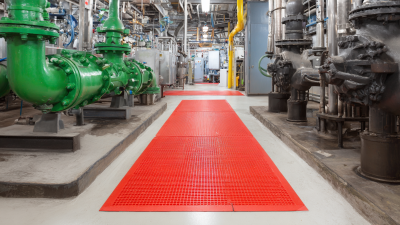
Evaluate your specific use cases. Workstations may benefit from anti-fatigue mats to enhance comfort. On the other hand, areas where spills happen can require mats with drainage features. Safety should always come first. Testing mats for grip and stability in real conditions can reveal important insights. Potential issues might arise, such as mats curling or shifting during use. Recognizing these risks is crucial for informed decision-making.
Regular maintenance impacts mat performance. Cleaning routines should reflect the mat's construction and environment. Ignoring this can lead to safety hazards and reduced lifespan. Always aim for a balance between functionality and safety. Consider how different materials hold up over time. This thoughtful approach can save costs in the long run while ensuring workplace safety.
Evaluating Durability and Maintenance Factors in Floor Mats
When selecting industrial floor mats, durability is crucial. The materials used determine how well a mat withstands wear and tear. For example, rubber mats often excel in high-traffic areas due to their resilience. However, you should assess their lifespan and whether they can handle heavy machinery or sharp objects. Understanding the specific environment helps in making the right choice.
Maintenance is another important factor. Some mats require frequent cleaning, while others are low-maintenance. Consider how often the mat will be exposed to spills, dirt, or chemicals. A mat with a smooth surface may be easier to clean, but it might lack grip. Reflect on the balance between ease of maintenance and safety in your workspace. It’s essential to find a mat that aligns with your operational needs, but be prepared for some trial and error in your selection process.
Analyzing Safety Features and Compliance Standards for Mats
When selecting industrial floor mats, safety features play a vital role.
Look for mats with slip resistance. They should provide a stable surface,
especially in wet environments. Mats that offer cushioning are beneficial
for reducing fatigue. This helps when workers stand for extended periods.
If you operate machinery, choose mats that can withstand heavy loads.
Compliance with safety standards is crucial. Ensure that the mats meet
recognized industry regulations. This adds a layer of reliability to your
workspace. Some mats are tested for fire resistance, while others focus on
chemical resistance. Understanding these features can prevent accidents
and injuries.
Reflect on the materials used in the mats. Not all materials are equal.
Some may wear down quickly, challenging their effectiveness. Regularly
assess the condition of mats to ensure they remain safe. It’s about
creating an environment where safety is prioritized. Investing time in
research can lead to better choices for everyone involved.
Cost Considerations: Budgeting for Industrial Floor Mats
When budgeting for industrial floor mats, consider their long-term costs and benefits. Research from the U.S. Bureau of Labor Statistics indicates that workplace injuries can cost employers over $40 billion annually. High-quality mats can greatly reduce slip and fall hazards. Investing in durable mats may seem expensive initially, but the savings on potential injuries and lost productivity can be significant.
It’s essential to assess your specific needs. Different industries have unique challenges. For example, manufacturing facilities may require heavy-duty mats, while food processing areas need mats that resist moisture and bacteria. The National Safety Council suggests calculating the total cost of ownership, including maintenance and replacement, to make informed budgetary decisions.
Evaluating your options is key. Don’t overlook the importance of quality over price. Cheaper mats may wear out quickly and lead to higher costs in the long run. Engaging with industry experts can provide insights into the best materials for your environment. Collect data on mat performance and life expectancy to help with decision-making.