How to Choose the Best Rubber Gym Mats for Your Needs?
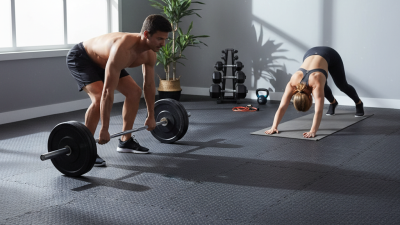
When selecting the right rubber gym mats, understand their significance in a workout space. According to the American Council on Exercise, proper flooring can enhance safety and performance. Rubber gym mats offer cushioning and grip, reducing the risk of injury. Research shows that over 30% of gym injuries are related to slip or trip incidents. Quality mats can mitigate these risks.
The market for rubber gym mats has seen remarkable growth, valued at over $300 million in recent years. This reflects the growing importance of health and fitness globally. However, not all mats are created equal. Users often find it challenging to select the best option. Availability of different materials and thicknesses adds to the confusion.
Choosing the right rubber gym mats involves more than just brand names. Consider factors like durability, density, and environmental sustainability. Each feature impacts your workout experience significantly. The right choice can make workouts more enjoyable and safe, reflecting personal commitment to fitness. However, make sure to research thoroughly before deciding; not all products meet high standards. Ensuring quality is crucial, as it directly affects performance and safety.
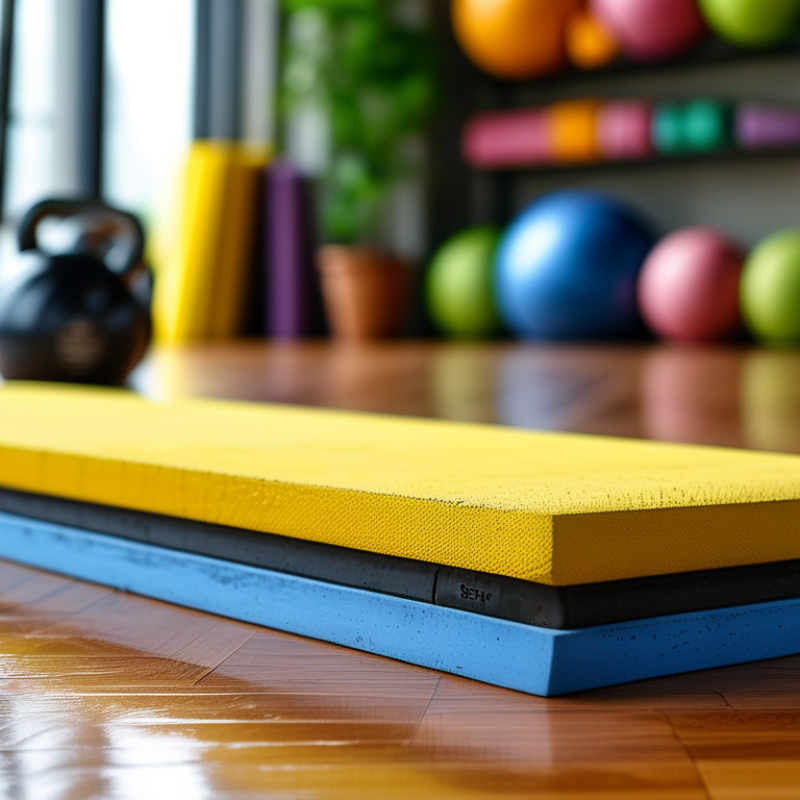
Factors to Consider When Selecting Rubber Gym Mats
Choosing the right rubber gym mats requires careful consideration of several key factors. First, think about the thickness of the mat. A thicker mat provides better cushioning, which can protect joints during high-impact workouts. However, overly thick mats may affect stability. For yoga or pilates, a thinner mat may be more beneficial.
Next, consider the surface texture. Some mats are designed for superior grip, ideal for weightlifting or dynamic workouts. Others may be smoother, which is suitable for stretching or floor exercises. If your gym has multiple activities, look for mats that offer versatility.
Also, pay attention to the material quality. High-density rubber is often more durable, but it may come at a higher cost. You should reflect on how often you'll use the mats. If they will be frequently used, investing in high-quality options is wise. However, for occasional use, more economical mats may suffice. Balancing your budget with your needs can lead to a satisfying choice.
Types of Rubber Gym Mats and Their Specific Uses
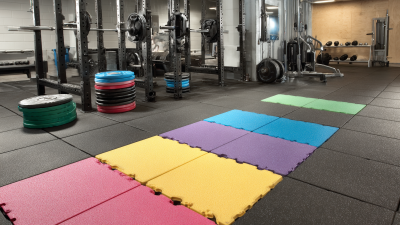
When selecting rubber gym mats, understanding the different types is crucial. Various mats serve distinct purposes, catering to specific activities. For instance, interlocking rubber mats are ideal for weightlifting. Their design prevents slipping and absorbs shock, making them suitable for heavy equipment. A report from the International Health, Racquet & Sportsclub Association highlights that 67% of fitness centers utilize interlocking mats to protect floors and enhance safety.
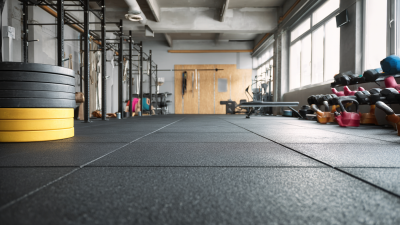
Another type is rolled rubber flooring. This option works well for larger spaces like studios. It provides seamless coverage, reducing the risk of tripping hazards. The aesthetic appeal is another advantage. Studies show that well-designed floors boost gym member retention by 20%. However, installation can be more challenging when compared to interlocking mats.
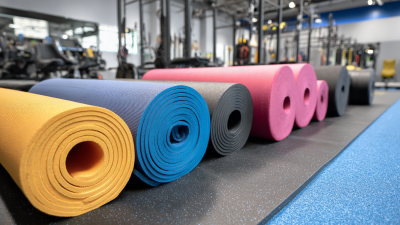
In addition, specialized mats exist for specific workouts. For yoga or Pilates, softer, textured mats are necessary. They offer grip and support without being overly harsh on joints. Research indicates that 30% of yoga practitioners place significant importance on mat texture. It’s clear not all rubber mats are created equal, and understanding the specifics can help in making a more informed choice.
Evaluating Thickness and Density for Optimal Performance
When choosing rubber gym mats, thickness and density are crucial. Research shows that mats thicker than half an inch provide better impact absorption. This is essential for high-intensity workouts, where joint protection is a priority. A higher density, approximately 4-8 pounds per cubic foot, enhances durability and stability, ensuring mats withstand heavy use.
When evaluating thickness, consider your workout type. Lighter activities like yoga benefit from mats around half an inch. Weightlifting, however, often requires thicker mats, ensuring proper shock absorption. Look for mats with a density that suits your exercise style. For instance, a density of 5 pounds per cubic foot is often recommended for general gym use.
It's worth noting that not all high-density mats are ideal. Some may feel too rigid, leading to discomfort during exercises. Regularly inspecting mats for wear and tear is also important. This not only maintains safety but also improves performance over time. Prioritize quality over price; investing in the right rubber gym mats can enhance your training environment significantly.
Choosing the Right Thickness and Density for Rubber Gym Mats
This chart displays the performance score of rubber gym mats based on different thickness options. Choosing the right thickness can greatly affect your workout experience and floor protection. Consider the scores when selecting a mat to meet your needs!
Understanding Safety Features and Slip Resistance
When selecting rubber gym mats, one of the most critical features to consider is slip resistance. A good slip-resistant surface drastically reduces the risk of accidents during workouts. According to a study from the American Society for Testing and Materials, mats with a coefficient of friction above 0.5 are considered safe for most gym environments. This is crucial for protecting users from slips and falls during high-intensity workouts, where stability is essential.
Specifically, the best rubber mats often integrate advanced textures or surfaces designed to enhance grip. For instance, some mats utilize a diamond pattern or raised textures to increase traction significantly. The National Safety Council points out that injuries related to slips and falls are one of the leading causes of accidents in recreational sporting locations. Therefore, selecting mats with excellent slip resistance is a necessary consideration to promote safety and reduce liability in fitness facilities.
Additionally, the durability of rubber mats plays a role in their safety features. Mats that wear down over time may lose their grip, increasing the likelihood of accidents. Research shows that well-maintained mats can last five to ten years, depending on usage. Regular inspections are essential, as mats that have deteriorated can compromise safety. Therefore, gym owners should establish routine maintenance schedules to ensure that their equipment remains safe and reliable over time.
Maintenance Tips to Extend the Lifespan of Gym Mats
Maintaining rubber gym mats is crucial for prolonging their lifespan and keeping your workout space safe. Regular cleaning is essential. Dust and debris can accumulate quickly, affecting both hygiene and performance. A simple solution is a mixture of mild soap and water. Use a soft scrub brush to gently clean the surface. Rinse thoroughly to prevent soap residue buildup. Neglected mats can harbor bacteria and unpleasant odors.
Avoid exposing your mats to excessive heat or direct sunlight. These conditions can cause fading and cracking over time. Instead, store mats in a cool, dry place when not in use. Damp mats should be dried properly to prevent mold. Additionally, rotating your mats periodically can help distribute wear and tear evenly.
Consider using a protective mat overlay during high-impact activities. This extra layer acts as a barrier, absorbing shocks and reducing the risk of surface damage. Be mindful of the equipment you place on the mats, as heavy weights can leave indentations. Regularly inspect your mats for signs of wear, such as cracks or peeling edges. Taking proactive steps can significantly enhance the durability of your mats while providing a safe workout environment.