Choosing outdoor door mats for global buyers is more complex than selecting a color and size. A mat may face monsoon rain in Mumbai, freezing salt in Toronto, or fine dust in Dubai. Each setting demands different fiber strength, drainage, backing, and cleaning routines. The wrong mat can curl, trap moisture, or slide across polished stone.
Michael J. Scherer, an entrance-matting consultant with more than two decades of commercial flooring experience, says, “A good mat protects the building before anyone notices it.” That principle guides this 2026 buying outline. It encourages buyers to examine real performance, not attractive product photos. Check whether the surface scrapes dirt effectively. Test if the backing stays stable after repeated wetting. Measure the doorway, including swing clearance and threshold height. Small details matter.
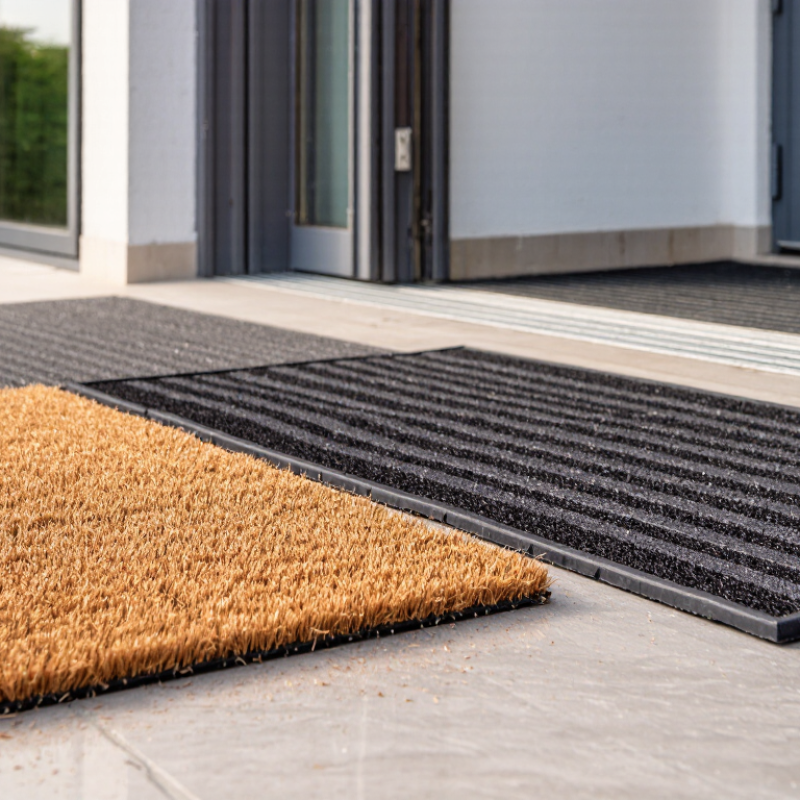
Material choice deserves careful attention. Coir offers a natural, firm texture, while polypropylene usually handles moisture and frequent washing better. Rubber-backed designs can improve grip, but some surfaces may react poorly to prolonged contact. Local climate, visitor volume, shipping conditions, and replacement access should influence the final decision.
No buying guide gets every entrance right. A sample may behave differently after six months outdoors. That uncertainty deserves honesty. Global buyers should request test pieces, maintenance instructions, warranty terms, and clear product specifications before placing large orders. The best outdoor door mats are not simply durable. They fit the entrance, the weather, and the people using it every day.
Outdoor Door Mats: Purpose, Features, and Global Market Requirements
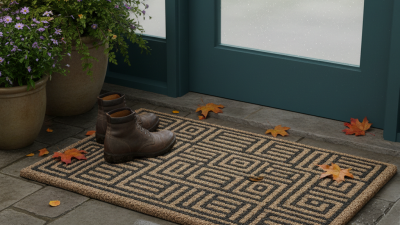
Outdoor door mats protect entrances from soil, rainwater, and small stones. They also reduce cleaning work in homes, offices, hotels, and retail spaces. A reliable mat should scrape shoe soles without feeling harsh underfoot. Drainage matters in wet climates. Open textures allow water to escape instead of forming a slippery pool.
Tips: Match the material to the climate. Rubber-backed mats suit damp areas, while quick-drying fibers perform better in covered entrances. Check the mat’s weight, edge design, and backing grip before placing large orders. No mat is perfect. Even strong products may curl after poor storage or prolonged heat exposure.
Global buyers should review abrasion resistance, color stability, odor control, and cleaning instructions. Materials must also suit local consumer expectations and applicable product-safety requirements. Ask suppliers for test records, material details, and sample inspections. Packaging deserves attention too. Rolled mats can save space, but tight rolling may leave temporary bends. For international shipping, confirm carton strength, moisture protection, labeling, and accurate product dimensions. A mat that looks attractive online may still fail during heavy rain or busy foot traffic. Practical testing is worth the extra time.

Outdoor door mats face rain, dust, sunlight, snow, and repeated foot traffic. Material choice should match the local climate, not just the product’s appearance. Polypropylene dries quickly and resists fading, making it practical for humid or sunny entrances. Rubber offers strong grip and handles wet surfaces well, but some rubber compounds can become brittle in severe cold. Coir absorbs moisture effectively, though it may deteriorate faster in constant rain.
Weather resistance depends on construction too. Look for tightly secured fibers, sealed edges, and drainage holes that prevent water pooling underneath. A textured backing can reduce slipping on tile or concrete. For coastal areas, check resistance to salt and corrosion in any metal parts. In snowy regions, the mat should remain flexible below freezing. Ask suppliers for test details, including UV exposure, water absorption, abrasion, and temperature performance. Product claims alone are not enough.
Tips: Place the mat under a roof when possible. Measure the entrance before ordering. Shake or vacuum it weekly. Lift it after heavy rain to inspect the floor and backing. I once underestimated drainage on a covered porch; the mat still trapped water after storms. That mistake showed me that “outdoor” does not mean suitable for every exposure. Buyers should request samples, review care instructions, and compare performance data with actual site conditions. A cheaper mat may require earlier replacement, especially where sunlight and moisture arrive together.
Choosing Mat Sizes, Shapes, Textures, and Drainage Designs
Measure the entrance before selecting an outdoor mat. Include the door swing, frame width, and nearby steps. A mat should cover the walking path without becoming a trip hazard. For busy entrances, choose a length that allows two or three footfalls. Smaller mats may suit balconies, but they often shift during heavy rain. Leave enough clearance beneath the door.
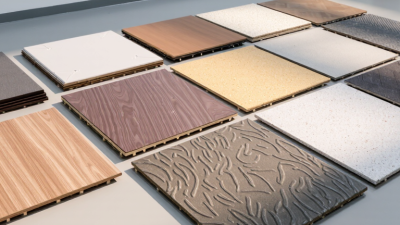
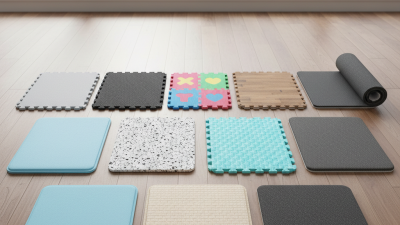
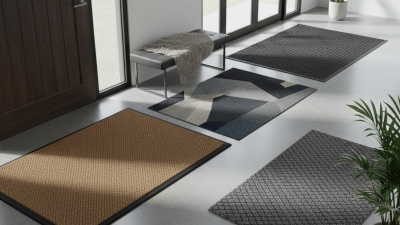
Rectangular mats work well at standard entrances and commercial doorways. Half-round shapes fit curved steps and narrow porches. Irregular layouts may need modular pieces, although visible gaps can collect dirt. Texture should match the local climate. Firm scraping surfaces remove grit from shoes, while softer patterns feel more comfortable in homes. Deep grooves can trap mud, especially in humid regions. A practical compromise is a textured surface with easy brushing access.
Drainage deserves close attention. Raised channels, perforations, and open-grid structures help water escape after storms. Place the mat on a level, stable surface, or drainage may remain incomplete. Check whether the backing stays flat after temperature changes. UV exposure, freezing weather, and salty coastal air can shorten service life. Request material data, cleaning guidance, and wet-slip test information from suppliers. Catalog photos can mislead. A mat may look excellent but drain poorly on a real slope. Test a sample with wet footwear before ordering large quantities.
2026 How to Choose Outdoor Door Mats for Global Buyers
Safety begins with grip, not appearance. Choose a mat with a stable backing that stays flat on tile, concrete, or sealed wood. Raised edges can trap dirt, but they may also catch shoes. That detail deserves a real floor test. A low-profile design usually reduces trip risks near busy entrances. Look for firm fibers that scrape mud without shedding easily. Wet weather changes performance quickly.
Maintenance affects daily cost. A useful outdoor mat should release sand when shaken and allow water to drain. Mats placed under open skies need faster drying. Otherwise, trapped moisture can create odors and damage nearby flooring. Check whether the mat can be vacuumed, rinsed, or cleaned with mild soap. Avoid assuming that “washable” means effortless. Some materials curl after repeated washing.
Sustainability requires more than choosing a natural fiber. Natural fibers can absorb water, dry slowly, and wear faster in humid climates. Recycled materials may extend resource use, but their backing can complicate recycling later. Ask suppliers about material composition, repair options, packaging, and expected service life. A heavier mat may last longer, yet shipping weight increases environmental impact. One judgment call remains: the most responsible choice depends on climate, traffic, cleaning access, and replacement frequency. Even careful buyers may need to revise their choice after one rainy season.
| Mat Material | Typical Construction | Wet-Surface Safety | Debris Removal | Maintenance Requirement | Weather and UV Performance | Sustainability Considerations | Typical Service Life* | Best-Suited Applications |
|---|---|---|---|---|---|---|---|---|
| Molded Rubber | Solid or perforated rubber with raised scraping patterns; commonly manufactured from natural or synthetic rubber. | High Good traction when wet because rubber remains relatively grippy and flexible. |
Very good for scraping soil, sand, and coarse particles from footwear. | Shake or vacuum regularly; rinse with water as needed. Allow the underside and floor to dry. | Very good resistance to rain and temperature changes; prolonged direct sunlight may cause surface aging or fading. | Long service life reduces replacement frequency. Recycled rubber may be available, but recyclability depends on the product design and local facilities. | 3–7 years in typical commercial or residential outdoor use. | High-traffic entrances, wet climates, schools, offices, and industrial access points. |
| PVC | Flexible PVC loops, coils, strips, or molded profiles, often combined with a textured backing. | Medium to High Can provide reliable traction when textured; performance varies with surface pattern, hardness, and water drainage. |
Good for collecting light soil and moisture; open-loop designs improve drainage. | Vacuum or shake frequently; wash with mild soap and water. Avoid harsh solvents that may damage the polymer. | Good moisture resistance; lower-grade formulations may become brittle, crack, or discolor after extended UV exposure and temperature cycling. | Durable and water-resistant, but PVC production and end-of-life recycling can be environmentally challenging. Recycled content should be verified by documentation. | 2–5 years, depending on UV exposure, traffic, and formulation. | Covered outdoor entrances, retail locations, apartments, and moderate-traffic areas. |
| Coir | Natural coconut-husk fibers mounted in a latex, PVC, or other backing. | Medium Dry coir has effective scraping performance; wet fibers can become less stable and may release moisture onto the floor. |
Excellent for scraping mud, sand, and grit because of its stiff, irregular fibers. | Shake or vacuum regularly. Keep in a ventilated, preferably covered location; prolonged saturation can encourage mildew and fiber deterioration. | Suitable for sheltered entrances. Continuous rain, high humidity, and standing water can shorten its life. | Uses a renewable agricultural by-product and is partly biodegradable; backing materials, adhesives, and contamination can limit end-of-life recovery. | 1–3 years outdoors; often longer under a roof and with good drainage. | Covered residential porches, decorative entrances, and locations where strong scraping is more important than maximum wet-weather durability. |
| Polypropylene | Needle-punched, tufted, or molded synthetic fibers, usually bonded to a rubber or polymer backing. | Medium to High Textured fibers can provide good traction, while a non-slip backing helps prevent movement. |
Very good for trapping fine dust, moisture, and small particles; scraping performance depends on fiber stiffness. | Vacuum frequently and extract-clean periodically. Rinse only when the backing and drainage conditions allow complete drying. | Good resistance to water, stains, and many common chemicals; UV stability varies by fiber grade and color. | Lightweight and durable; some products use recycled polypropylene, but fiber and backing combinations may complicate recycling. | 2–5 years in outdoor or semi-outdoor applications. | Covered commercial entrances, hotels, offices, apartments, and areas requiring moisture absorption. |
| Recycled PET Fiber | Textile fibers made from recycled polyethylene terephthalate, typically produced as yarn, needle-punched felt, or tufted pile with a polymer backing. | Medium to High Provides stable traction when paired with a suitable non-slip backing; wet performance depends on pile density and drainage. |
Very good for trapping fine dust and moisture; coarse scraping ability depends on the fiber profile. | Vacuum regularly and use low-residue extraction cleaning. Dry thoroughly to prevent odor and microbial growth. | Generally good color and moisture performance when UV-stabilized; continuous exposure to intense sunlight can still cause fading. | Can divert post-consumer plastic bottles from waste streams. Buyers should check recycled-content claims, backing composition, and available recycling routes. | 2–5 years, depending on traffic, fiber density, and outdoor exposure. | Covered entrances, sustainability-focused facilities, offices, hospitality areas, and indoor-outdoor transition zones. |
| Aluminum Modular System | Interlocking aluminum rails with replaceable inserts such as rubber, brush, or textile sections; usually installed in a recessed frame. | High Stable when correctly installed; drainage channels and level installation help reduce water pooling and trip hazards. |
Excellent when configured with brush or scraper inserts; modular zones can separate scraping, brushing, and drying functions. | Remove debris from channels, clean inserts, inspect fasteners, and replace worn sections instead of the entire system. | Very good resistance to rain, temperature variation, and corrosion when the alloy and finish are suitable for the environment. | Aluminum is widely recyclable and the modular design can extend product life through part replacement. Manufacturing has significant energy demand, especially when primary aluminum is used. | 8–15+ years for the frame; inserts commonly require replacement sooner. | Heavy-traffic commercial buildings, airports, hospitals, public facilities, and recessed entrance systems. |
Notes: The service-life figures are practical industry ranges rather than guarantees. Actual performance depends on foot traffic, climate, UV exposure, drainage, cleaning frequency, backing quality, installation, and whether the mat is placed in a covered or fully exposed location. For procurement, request test results for slip resistance, dimensional stability, colorfastness, fire performance where applicable, and recycled content verification.
Choosing outdoor door mats for global markets requires more than comparing unit prices. A reliable supplier should provide material specifications, production photos, sample approval, and consistent quality records. Ask whether the mat uses rubber, coir, recycled fibers, or blended materials. Request current test reports for slip resistance, colorfastness, moisture performance, and chemical safety. Certifications must match the destination market and product structure. A certificate without traceable laboratory details deserves careful review.
Calculate the landed cost, not only the factory quotation. Include packaging, inspection, inland transport, freight, insurance, duties, and possible port charges. A dense mat may look inexpensive but create higher shipping costs because of weight. Carton size also matters. Measure one packed unit and estimate pallet utilization before placing a large order. Shipping schedules can change. Weather, customs checks, and incomplete documents may delay delivery. Build a realistic buffer.
Tips: Compare at least three suppliers using the same specification sheet. Order samples from different production batches when possible. Check edges, backing adhesion, odor, and curling after moisture exposure. Ask for HS classification guidance, but confirm it with your customs broker. A spreadsheet helps, yet it can still miss storage fees or damaged cartons. Recheck the assumptions. Supplier responses may sound precise, but vague delivery terms remain a warning sign. Never approve bulk production before confirming the final sample and packaging artwork.