How to Choose Rubber Floor Tiles in 2026?
Choosing rubber floor tiles in 2026 involves more than comparing colors and prices. The right surface must match the room, traffic level, installation method, and maintenance routine. A home gym may need shock absorption beneath dumbbells. A children’s playroom may require softer cushioning and low-odor materials. Busy commercial spaces often need stronger wear resistance and easier replacement.
This guide examines rubber floor tiles through practical, evidence-based considerations. We will look at tile thickness, density, recycled content, slip resistance, edge design, acoustic performance, and indoor air quality. Product data matters, but real-world use matters too. A tile can appear durable in a sample box and still show dents under heavy equipment. That possibility deserves attention.
Measure the subfloor carefully. Small uneven areas can become obvious after installation. Check manufacturer instructions, warranty terms, cleaning requirements, and independent test results before purchasing. Ask whether the tiles release a noticeable odor after several days. That detail is easy to overlook.
There is no perfect tile for every project. Thicker products may improve comfort but increase cost and door-clearance problems. Interlocking designs simplify replacement, yet seams can collect dirt. Adhesive installation may feel more stable, but removal becomes harder. These trade-offs require honest evaluation.
The following sections will help you compare options with clearer priorities. Consider how the floor will feel at 7 a.m., after months of use, not just how it looks today. Your best choice should support safety, durability, and responsible value.
Understanding Rubber Floor Tile Types and Core Features
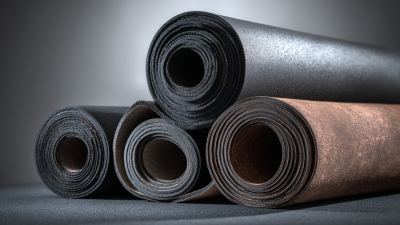
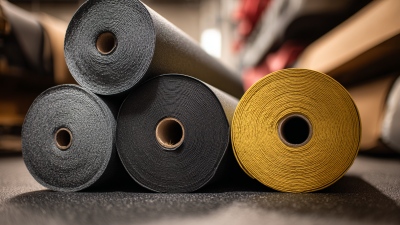
Rubber floor tiles differ in structure, material, and installation method. Interlocking tiles fit together without adhesive, making them practical for gyms, playrooms, and temporary spaces. Glue-down tiles create a more stable surface, especially in busy commercial areas. Rolled rubber can reduce seams, but it demands careful measuring and a flatter subfloor.
Material choice affects performance. Recycled rubber usually offers strong impact absorption and good value. Virgin rubber often provides a cleaner appearance and more consistent color. EPDM granules can improve color options and outdoor weather resistance. Thickness matters too. A 6-millimeter tile may suit light exercise, while thicker tiles can soften dropped weights and reduce noise.
Look for dense construction, stable dimensions, and tested slip resistance. A tile should stay flat after temperature changes. Check its odor, surface texture, and edge quality before ordering large quantities. Small gaps can collect chalk, dust, and moisture. Not ideal. I once underestimated subfloor preparation, and even excellent tiles showed uneven joints. That mistake changed my inspection routine. I now check moisture levels, floor flatness, and drainage before installation.
Maintenance also deserves attention. Smooth surfaces sweep quickly, while textured tiles grip better but hold more debris. Ask for cleaning guidance and technical test data. Fire performance, emissions, and accessibility requirements may vary by location. Do not rely on a product photo alone. A sample under real lighting reveals more.
How to Choose Rubber Floor Tiles in 2026?
Understanding Rubber Floor Tile Types and Core Features
How to read the chart: Typical thickness increases as impact, rolling loads, and noise-control requirements become more demanding. Residential fitness areas commonly use thinner tiles, while free-weight zones and playground surfaces require thicker systems.
Material guidance: Recycled SBR rubber is a durable and economical option for gyms. EPDM rubber offers better color stability and weather resistance for outdoor applications. Virgin rubber generally provides a cleaner appearance and lower odor, while composite tiles balance cost and performance.
The ranges shown are representative industry specifications, not a universal standard. Playground installations should be selected and tested according to applicable impact-attenuation requirements such as ASTM F1292 or EN 1177.
Matching Tile Materials to Room Use and Performance Needs
Rubber floor tiles work best when their material matches the room’s daily demands. In a home gym, dense vulcanized rubber handles dropped weights, rolling equipment, and repeated impact. Its firm surface also supports stable footing during squats. For a children’s playroom, softer recycled rubber may improve shock absorption. Yet recycled surfaces can have stronger odors at first. Ventilation matters.
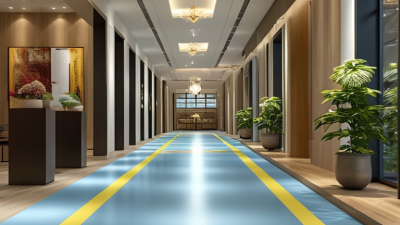
Busy corridors need abrasion resistance, dimensional stability, and dependable slip performance. Choose tiles with a textured finish when wet shoes are common. In kitchens, water resistance and easy cleaning deserve equal attention. Porous or heavily grooved surfaces can trap crumbs and cleaning water. That detail is easy to miss. Check available test data for slip resistance, wear, and indoor air emissions before purchasing.
For offices and study rooms, thinner tiles may reduce footfall noise without feeling overly soft. Bedrooms often benefit from warmer, quieter materials, but color and texture affect perceived comfort. Check tile thickness, density, underside grip, and maintenance instructions together. Request a sample. Walk on it. During one site inspection, I underestimated how visible small seams became under bright side lighting. Installation quality matters; even excellent material can look uneven on an imperfect subfloor. A tile built for heavy training may feel unnecessarily hard beside a desk.
Comparing Thickness, Size, Texture, and Installation Methods
How to Choose Rubber Floor Tiles in 2026?
When choosing rubber floor tiles, thickness should match the activity and subfloor. Tiles around 8–10 mm suit home gyms, stretching areas, and light equipment. For dropped weights or heavy racks, 15–20 mm offers stronger impact protection. Thicker tiles can reduce vibration, but they may create awkward height differences at doorways. Measure carefully.
Size affects both appearance and installation time. Large tiles cover open rooms quickly and create fewer seams. Smaller tiles work better around columns, corners, and irregular walls. I usually sketch the room before ordering. A 50 cm square can look simple, yet several uneven walls may require many cuts. Leave a small expansion gap where the floor meets fixed walls, following the installation guidance.
Texture changes grip, cleaning, and comfort underfoot. A raised pattern can improve traction near training equipment, especially when moisture is present. However, deep textures may trap dust and chalk. Smooth tiles clean faster but can feel less secure during fast movements. I once underestimated this difference. The surface looked attractive, but cleaning took longer than expected.
Installation should match the room’s use. Interlocking edges allow quicker fitting and easier replacement. Adhesive installation provides better stability in busy commercial spaces, but the subfloor must be clean, dry, and level. Loose-lay tiles are convenient for temporary layouts, though edges may shift under repeated lateral movement. Test a small area first, then inspect seams after several days.
Evaluating Safety, Maintenance, Durability, and Environmental Factors
Safety starts with the room, not the color chart. In a gym, wet entryways and rolling equipment call for different surfaces. Check the tile’s slip-resistance data under conditions close to your own use, and ask how the test was conducted. The World Health Organization reports about 684,000 fatal falls worldwide each year. That figure is not specific to flooring, but it underscores why grip and stable installation deserve attention. A slightly raised seam can catch a shoe or trap grit. Easy to miss.
Maintenance and durability are linked. Look for clear cleaning instructions, resistance to the cleaners you actually use, and test data for indentation under load. ASTM F970 measures a floor covering’s residual indentation after static loading; it can help compare products, but does not predict every real-world outcome. Consider what will sit on the tiles: a heavy rack leaves a different mark than a yoga mat. Ask for replacement-tile availability, too. That detail is easy to forget.
Environmental claims need the same scrutiny. Ask whether the tiles contain recycled material, what percentage they contain, and whether emissions testing is available for indoor use. The U.S. EPA’s 2018 materials report recorded about 2.6 million tons of recycled tires, showing that tire reuse is a substantial materials stream—not proof that any particular tile is environmentally preferable. Compare product-specific evidence, including recycled content and indoor-air data. Sometimes the greener choice is less obvious.
Checking Costs, Warranties, and Supplier Quality Before Buying
When comparing rubber floor tiles, look beyond the price per square foot. Ask for an itemized quote covering tile thickness, edge pieces, delivery, and any subfloor preparation. A low quote may omit freight or assume a perfectly level floor. That difference can reshape the budget.
Check the warranty’s length, but read its exclusions closely. Confirm whether it covers wear, curling, fading, or defects, and whether installation conditions affect coverage. Keep the invoice and installation instructions. Small details matter. If the warranty requires a particular adhesive or cleaning method, get that requirement in writing before buying. I might still miss a clause on a first read; ask the supplier to explain unclear terms.
Supplier quality shows up in the answers. Request a current technical sheet, care instructions, and a sample from the product batch you plan to order. Compare the sample’s thickness and texture, and ask how color variation is handled. A reliable supplier should explain lead times, replacement availability, and how damaged tiles are reported. Notice whether replies are specific or vague. One overlooked question can mean weeks of delay, and that is an easy mistake to make.