How to Choose the Best Carbon Monoxide Detector for Safety?
Choosing the right carbon monoxide detector is crucial for safety. Carbon monoxide (CO) is a colorless, odorless gas. The Centers for Disease Control and Prevention (CDC) reports that over 400 people die from CO poisoning each year in the U.S. alone. It's a silent threat. Many households remain unprotected due to a lack of awareness.
A Carbon Monoxide Detector is your first line of defense. It alerts you to dangerous CO levels before they become life-threatening. Experts recommend installing detectors in every sleeping area and on every level of your home. Despite advancements, not all products offer the same protection. Consumers often face confusion over features and reliability, leading to potentially deadly mistakes.
Finding the best detector requires understanding specific needs and capabilities. Factors such as sensor type, battery life, and digital displays can significantly impact effectiveness. Making choices based solely on price can result in subpar safety measures. Assessing the reputation of brands can provide insights into the reliability of their products. It is essential to reflect on these aspects to ensure you make an informed decision about a carbon monoxide detector.
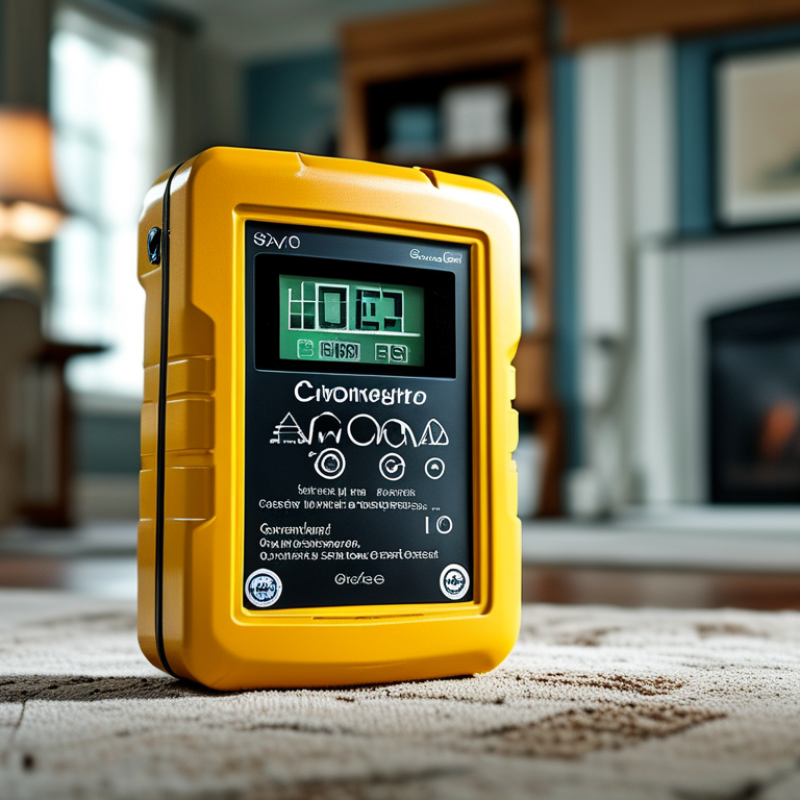
Understanding Carbon Monoxide and Its Dangers
Carbon monoxide (CO) is a silent killer. It’s colorless, odorless, and tasteless. Exposure can lead to serious health issues, including death. CO is produced by burning fuels such as gas, wood, and oil. Even small amounts of CO can be dangerous, as it interferes with the body's ability to transport oxygen.
Understanding the sources of carbon monoxide is crucial. Common household items like stoves, heaters, and fireplaces can emit CO if not properly ventilated. Poorly maintained appliances are especially risky. Signs of CO poisoning include headaches, dizziness, and confusion. These symptoms can easily be mistaken for other illnesses, delaying diagnosis and treatment.
Many homes lack adequate detection systems. Installing a carbon monoxide detector is essential. These devices can alert you to dangerous levels of CO in real time. Regular maintenance of your heating systems and appliances can also reduce risks. It’s important to remain vigilant and proactive. Assess the safety of your living space frequently. Every home should prioritize carbon monoxide safety.
Key Features to Look for in a Carbon Monoxide Detector
When selecting a carbon monoxide (CO) detector, several key features are essential for ensuring safety. Look for detectors that provide both audible alarms and visual alerts. Research indicates that individuals may not hear alarms during sleep. A visual indicator can be pivotal in such situations. According to the National Fire Protection Association, improper installation or maintenance often leads to device failures.
Another crucial feature is the sensor technology. Electrochemical sensors are recognized for their accuracy. They can detect lower levels of CO compared to other types. A 2021 study noted that detectors using electrochemical sensors had a 95% detection rate for life-threatening levels. This reliability can be a matter of life or death.
Consider the power source for your CO detector. Battery-operated units ensure functionality during power outages. However, wired models may provide a more consistent performance. Maintenance can be a concern; user-friendly designs facilitate regular testing. Data from safety studies found that 25% of homeowners neglect routine checks. Ensuring that your CO detector remains functional is vital for safety.
Types of Carbon Monoxide Detectors Available on the Market
When selecting a carbon monoxide (CO) detector, understanding the types available is essential. There are several options on the market. Some detectors are battery-operated, while others are hardwired into your home’s electrical system. Battery-operated models offer easier placement, especially in rentals. However, they require regular battery checks and replacements.
Another common type is the plug-in CO detector. These can be easily moved from room to room but rely on being near an electrical outlet. Some advanced models combine CO detection with smoke alarms. This dual functionality can save space and provide comprehensive safety measures. However, technology can sometimes fail, and relying solely on one device might not be sufficient.
**Tips for Choosing Wisely:**
Look for detectors that have a clear display. You want to know the CO levels easily. Choose models with an audible alarm and visual indicators. Regular maintenance is crucial, even for new devices.
Check the warranty and service options; it speaks to the manufacturer's confidence. Consider your home layout carefully. Sometimes, detectors placed in the wrong locations fail to give timely alerts. You may want to experiment with different placements to find the safest spots.
How to Choose the Best Carbon Monoxide Detector for Safety?
| Type of Detector | Power Source | Sensor Technology | Lifespan | Price Range |
| Plug-in Detector | A/C Power | Electrochemical | 5-7 years | $30 - $70 |
| Battery-powered Detector | Battery | Electrochemical | 5-10 years | $20 - $50 |
| Smart Detector | A/C Power or Battery | Electrochemical | 5-7 years | $50 - $120 |
| Combination Detector | Battery or A/C Power | Electrochemical + Photoelectric | 5-10 years | $40 - $100 |
Proper Placement and Installation Guidelines for Detectors
Proper placement and installation of carbon monoxide detectors are crucial for effective monitoring. The National Fire Protection Association (NFPA) recommends installing at least one detector on every level of your home, especially near sleeping areas. This can enhance safety by ensuring that alarms are heard while residents are asleep. It is recommended that detectors be mounted on the wall, 5 to 6 feet above the floor, as carbon monoxide rises and accumulates in these areas.
During the installation process, avoid placing detectors near fuel-burning appliances. The Consumer Product Safety Commission warns that positioning them too close might lead to false alarms. Keep detectors out of humid areas like bathrooms, where moisture can affect functionality. A clear space of at least 15 feet from fuel-burners can improve detector reliability.
Tips: Regularly test your detectors monthly. Check the batteries twice a year. Have an electrician inspect your home’s heating systems annually to reduce CO risks. Another common error is neglecting to replace outdated detectors. Many units become less effective after 5 to 7 years. Remember to review your alarm placement every few years. Safety is an ongoing process.
Maintenance and Testing for Ensuring Detector Efficiency
Regular maintenance of carbon monoxide detectors is crucial for safety. According to the National Fire Protection Association, nearly 50% of home CO alarms fail to function properly. Issues often arise from lack of testing and dust accumulation. Detecting carbon monoxide early can save lives, but functionality must be ensured through proper upkeep.
Testing your carbon monoxide detector monthly is a vital step. You can do this by pressing the test button on the unit. If the alarm sounds, it indicates the device is working correctly. If it does not, consider replacing the batteries or the entire unit. Regularly cleaning the detector with a soft cloth helps remove dust. Neglect may lead to false alarms or failure to detect dangerous levels.
Industry standards recommend replacing detectors every five to seven years. Older models may become less reliable over time. Referencing a report from the Consumer Product Safety Commission, nearly 200 people die from CO poisoning each year in the U.S. due to faulty detectors. Engaging in consistent maintenance practices not only ensures safety but also instills confidence in one’s home safety measures.