
How to Choose the Best Rounders Set in 2026

Rounders is quick to learn, but the right equipment can make a game smoother and more enjoyable. Choosing a Rounders Set for 2026 means looking beyond the number of items in the box. Bat size, ball feel, post stability, and how easily everything packs away all matter. A set that works for a school field may feel cumbersome in a small garden. Small details matter.

Sport England’s Active Lives Children and Young People Survey for the 2023–24 academic year reported that 47.8% of children and young people met the guideline of an average of 60 minutes of activity daily. The figure is not specific to rounders, but it underlines the value of making active play practical and inviting. A set that is easy to carry, set up, and share can help remove small barriers to getting a game started.

Before buying, consider who will play and where. Younger players may benefit from lighter bats and softer-feeling balls, while mixed-age groups often need equipment that feels manageable for everyone. Check what the package actually includes: some sets provide bases and posts, while others leave you to improvise. Look for clear material and care information, too. A bright product photo is not proof of durability. And, honestly, no single set suits every group. The best choice is the one that fits your players, playing space, and budget—without leaving essential pieces behind.
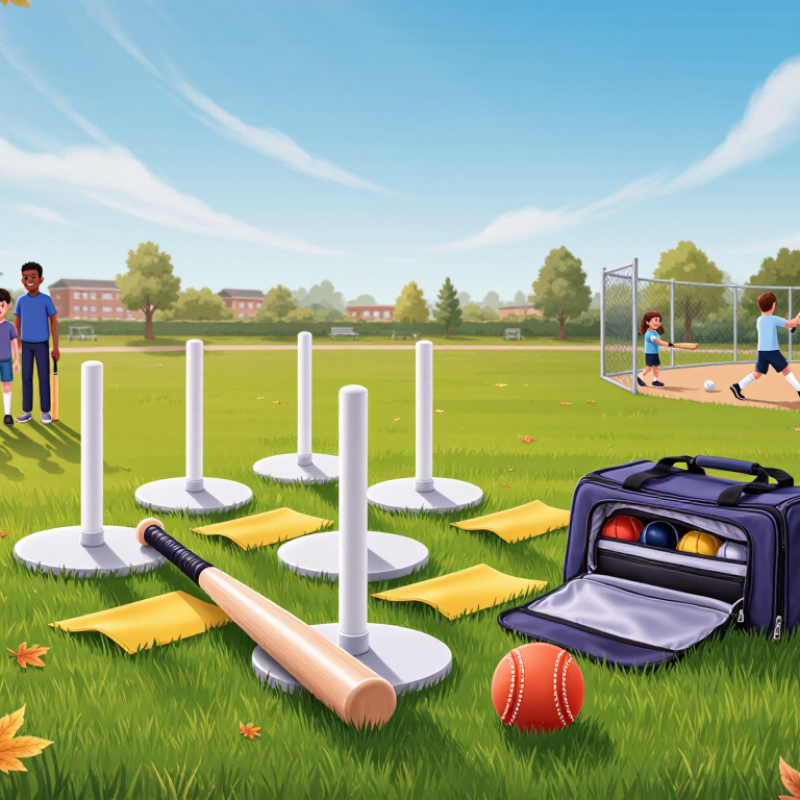
How to Choose the Best Rounders Set in 2026

Set Your Budget and Player Age Range Before Comparing Rounders Kits

Before comparing rounders kits, decide how much you can spend and who will use them. A school group with mixed ages needs different equipment from a few adults playing casually. Write down the youngest player’s age, the usual group size, and where you expect to play. A small park can make bulky bases awkward to carry.

Set a realistic budget, including items that may not come in the box. Check whether the kit includes a bat, posts, bases, and enough balls for your group. Some sets look inexpensive until you add missing pieces. Leave room for replacement balls or a storage bag. Not glamorous, but useful.

For younger players, look for lighter bats and soft, easy-to-see balls. Children may find a full-size bat tiring, while older players may prefer sturdier equipment. Check the stated age guidance and compare it with the children’s height and strength; age alone is an imperfect guide.

If possible, let players hold the bat before buying. A short test can reveal a poor fit. Also consider setup: clear markings and simple instructions help adults organize a game without slowing everyone down. A kit that suits the players and budget is usually better than the largest set on the shelf.

Check the Rounders England Ball Spec: 17.5–18 cm Circumference

When comparing rounders sets in 2026, check the ball before judging the bat or carry bag. The Rounders England ball specification gives a circumference of 17.5–18 cm. That small range matters: a ball that feels too large or too small can change how confidently players catch and throw. Measure around its widest part with a flexible tape, keeping the tape snug without squeezing the ball. A quick visual guess is not enough.

Check the actual ball included in the set, not only the product description. If possible, measure it when it is fully shaped and ready for play. Also inspect the stitching and surface: rough seams or a slippery finish may affect grip, especially on a damp day. Check the current rules before buying, as requirements can change or differ between formats. Details matter.

It is easy to focus on the stated measurement and overlook how the ball feels in younger players’ hands. Let a few likely players hold and pass it, if you can. Does it sit securely in the palm? Can they throw it without straining? I would not treat one short test as definitive; comfort varies, and my first impression can be wrong. Still, a measured circumference within 17.5–18 cm is a reliable starting point for choosing a suitable set.

How to Choose the Best Rounders Set in 2026 — Check the Rounders England Ball Spec: 17.5–18 cm Circumference
What to Check Recommended Specification or Feature Why It Matters Buying Tip
Ball circumference 17.5–18 cm This is the Rounders England ball circumference stated for this guide. Measure around the ball with a flexible tape, or confirm the circumference in the product details.
Ball construction A round, evenly shaped ball with a secure outer cover and consistent grip A regular shape and dependable grip make catching and throwing easier to practise. Check for visible damage, loose seams, or a surface that feels excessively slippery.
Bat fit A bat the intended players can hold securely and swing under control Comfortable handling supports better control for players with different ages and abilities. Where possible, let players try the grip and a gentle practice swing before buying.
Posts or bases Four clearly visible markers for a basic rounders field layout Visible markers help players identify the bases and follow the running route. Choose stable markers that are easy to see on the playing surface and simple to pack away.
Starter-set contents At least one ball, suitable bats, and four field markers This covers the main equipment needed to organise a basic practice game. Match the number of bats and spare balls to your group size and how often you play.
Practice or team use For regular group sessions, consider spare balls and enough bats for smooth rotation Spare equipment can reduce waiting when a ball is misplaced or a bat is in use. Prioritise the equipment your group uses most rather than paying for unnecessary extras.
Storage and transport A set that packs together neatly, with a bag or other practical storage option Organised storage makes equipment easier to carry and helps keep small items together. Check that the storage option fits all the included items, including the posts or bases.
Rules and suitability Confirm that the ball and equipment meet the requirements for your intended activity Requirements can depend on the rules being followed and the type of session. For organised play, check the current rules and equipment guidance before purchasing.

Compare Bat Dimensions with Rounders England’s 46 cm Length Limit

A rounders set can look suitable online and still miss the mark in practice. For a reliable choice in 2026, check the bat’s actual dimensions against Rounders England’s 46 cm maximum length. Measure from the bottom of the handle to the far end of the striking surface. Do not rely only on a product description; listings can round measurements or omit how they were taken. Measure it yourself.

A tape measure on a flat table makes the check simple. Keep the bat straight, and include every part of it in the measurement. A bat just over 46 cm may not meet the stated limit, even if the difference looks tiny. Small details matter. Also check the rules for your league, school, or event, since organisers may publish additional equipment requirements. When in doubt, ask them before buying.

Length is only one part of choosing a useful set. Consider whether the bat feels manageable for the players, whether the handle is comfortable, and whether the ball suits the playing surface. If possible, let the intended players hold the bat before you order. A lighter-looking option is not always easier to control. I would not choose by appearance alone; it is easy to overlook grip and balance in a quick online comparison. A careful measurement and a little hands-on checking can prevent an awkward purchase.

Check for Four Bases and Other Match-Day Essentials

A dependable rounders set starts with four clearly marked bases, not just a bat and ball. Choose bases that stay flat on grass and remain visible from the outfield. Check that the set includes enough posts or markers for your competition’s layout; rules and pitch dimensions can vary. Rounders England’s official rules are a useful reference when checking what your match requires. Small details matter. A loose marker can shift underfoot.

Think about the whole match-day setup. Bring a suitable ball, bats that fit the players, boundary cones, and a bag for carrying everything. Check for cracks, splinters, or slippery grips before play. Sport England’s Active Lives Children and Young People Survey for 2023–24 reported that 47.8% of school-aged children met the guideline of an average 60 minutes of activity daily. That figure is not a rounders-kit measure, but it underlines why simple, ready-to-use equipment matters for accessible play. Pack spare markers and a pump if your ball needs one. I would also check the set’s contents against the rules before buying; product descriptions can be vague, and I have found that “complete” does not always mean match-ready.

Choose Durable, Age-Appropriate Gear and Verify Safety Features

A good rounders set should fit the players, not just the storage bag. For younger children, look for a lighter bat with a grip they can hold securely, plus a softer ball that is easier to track and catch. Older players may manage firmer equipment, but comfort still matters. A bat that feels heavy after a few swings can quickly make play awkward. Try the grip if possible. Product descriptions cannot show how a handle feels in a child’s hand.

Check each part before buying. Bases should lie flat and stay in place on the playing surface; loose markers can become trip hazards. Look for a bat without splinters, sharp edges, or cracks, and a ball with intact stitching and no hard, damaged patches. If the set includes posts or stumps, check that they stand steadily and have no exposed sharp ends. Small details count. Age labels are useful, but they are only a starting point. Match the equipment to players’ height, strength, and experience, and follow the maker’s care instructions. I would not assume a sturdy-looking set is safe without checking its finish and fittings. Safety checks take a minute, sometimes less.

Back To Top