Choosing personalised door mats online sounds simple, but small details often decide whether the purchase succeeds. A mat can look attractive on a screen and still feel thin, slippery, or awkwardly sized at home. Your entrance deserves more careful attention.
William Morris, the respected designer and home-furnishings authority, offered a useful standard: “Have nothing in your house that you do not know to be useful, or believe to be beautiful.” That principle fits personalised door mats perfectly. A strong choice should welcome visitors while removing dirt, protecting flooring, and matching the character of your entrance.
This guide explains how to compare materials, dimensions, colours, fonts, and backing options before ordering. Measure the doorway first. Leave enough clearance for the door to open smoothly. Coir mats can provide a firm, natural texture, while rubber-backed designs may suit wetter entrances. However, not every printed surface handles rain equally well. Check the product description carefully.
Look closely at the personalisation preview. Thin lettering may disappear against a textured background. Bright colours can also appear different outdoors. Customer photographs often reveal more than polished shop images. Read them carefully.
Cleaning instructions matter, too. A beautiful mat becomes frustrating when it cannot be shaken, vacuumed, or washed easily. Review delivery times, return conditions, and spelling checks before payment. One overlooked letter can spoil the whole design.
There is no flawless option. You may need to compromise between softness, durability, and visual impact. The best personalised door mats balance practical performance with a genuinely personal welcome.
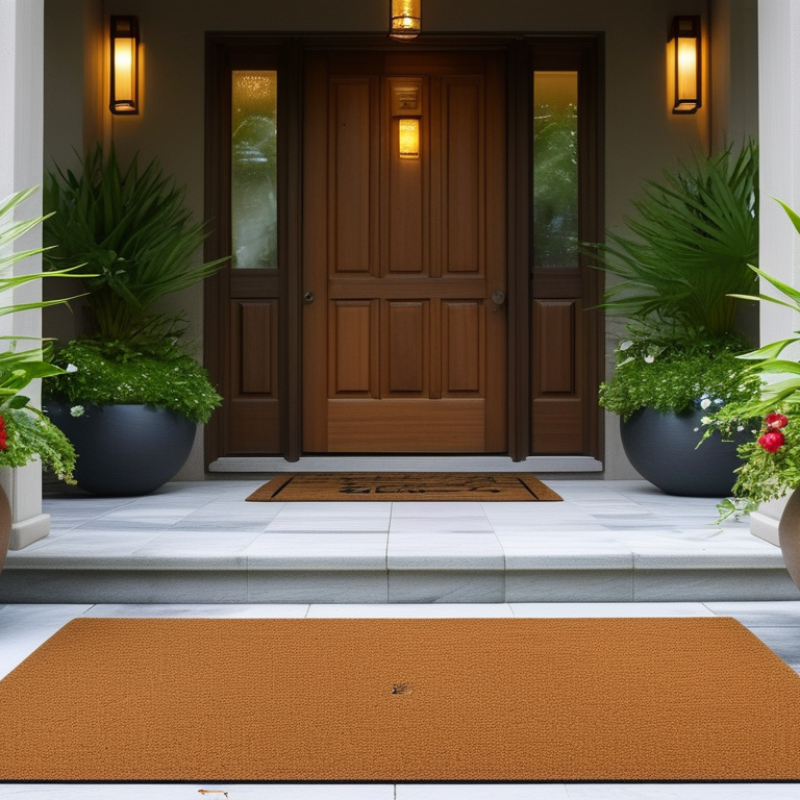
How to Choose Personalised Door Mats Online?
Define your doorway needs before choosing colours or wording. Measure the available floor space, including the door swing. A mat that curls underneath the door becomes a daily nuisance. Covered entrances need less weather resistance than open porches. High-traffic homes need dense, easy-clean fibres. Wet climates require strong moisture absorption and a stable backing. Consider shoes, pets, children, and muddy garden paths. These details shape a practical choice. I once selected a mat for its attractive lettering alone. It looked excellent online, but the pale surface showed every mark. That was a useful, slightly expensive lesson.
Your personalisation goal should match the doorway’s purpose. A family name can create a welcoming feeling. A short greeting may look clearer from the pavement. Keep it readable. Avoid thin fonts, crowded symbols, and low-contrast colours. Ask whether visitors can understand the design within two seconds. Reliable online sellers should provide accurate size charts, material details, care instructions, and a digital preview. Check the preview at full size, not only on a phone screen. Read recent customer feedback for comments about fading, shedding, and edge curling. I would also confirm production measurements before ordering. Personalisation is rarely reversible. My first wording idea was too clever and looked confusing. Simpler language would have served the doorway better.
| Doorway Need or Goal | What to Check Online | Suitable Mat Characteristics | Practical Recommendation | Personalisation Direction |
|---|---|---|---|---|
| High outdoor foot traffic | Number of daily users, exposure to soil, and whether the entrance is directly connected to a pavement or driveway. | Dense scraping surface, strong backing, and a construction intended for frequent use. | Choose a durable scraper-style mat with a stable, slip-resistant backing. | Use bold lettering or a simple symbol that remains legible when viewed from a distance. |
| Rain, snow, or wet weather | Whether the mat will be placed under cover and whether water can drain away from the entrance. | Water-resistant or quick-drying fibres, a non-absorbent backing, and a design that does not retain excessive moisture. | Select a weather-suitable mat and avoid placing it where water regularly pools. | Prefer high-contrast text and finishes that are easy to wipe clean. |
| Removing dirt and grit | Amount of mud, sand, or gravel tracked in from outdoor areas. | Textured fibres or raised patterns that help scrape particles from footwear. | Use a scraper mat outside, or pair it with an absorbent mat inside for a two-stage entrance system. | Keep the design uncluttered so dirt does not hide important text or details. |
| Absorbing moisture indoors | Floor type, indoor placement, and the amount of moisture normally carried inside on shoes. | Absorbent pile, a backing suitable for indoor flooring, and a size that allows several steps. | Choose an absorbent indoor mat and confirm that the backing is compatible with the floor surface. | Consider a darker base colour or a subtle pattern to make everyday marks less noticeable. |
| Limited doorway space | Available width, door swing, threshold height, and clearance beneath the door. | Low-profile construction and dimensions that do not obstruct the door. | Measure the usable area, not just the overall entrance width, before ordering. | Use a short name, initials, or a compact monogram rather than a long message. |
| Large entrance or double doors | Full opening width, surrounding furniture, and the visual balance of the entrance. | Wide rectangular proportions with sufficient coverage across the main walking path. | Choose a larger format that looks intentional without covering drainage or ventilation points. | Centre a family name, address number, or simple welcoming phrase. |
| Pet-friendly entrance | Wet paws, shedding, claws, chewing behaviour, and how often the mat will be cleaned. | Durable fibres, a secure backing, and materials that can be shaken, vacuumed, or washed according to care instructions. | Prioritise easy maintenance and avoid loose decorative elements that pets could pull away. | Personalise with a pet name or a friendly icon while keeping the design easy to read. |
| Homes with children | Frequency of spills, active use, and the need for a stable surface near the doorway. | Low-slip backing, easy-clean construction, and edges that lie flat. | Check product safety and care information, then choose a mat that can withstand regular cleaning. | Use cheerful colours, names, or a short welcome message without creating a distracting pattern. |
| Personal branding or business entrance | Visibility distance, colour requirements, logo complexity, and the amount of text needed. | Clear print area, strong colour contrast, and a surface that supports readable lettering. | Request a digital preview and check spelling, alignment, and colour contrast before purchase. | Use a concise name, emblem, or message; avoid fine details that may lose clarity at mat size. |
| Family or house identity | Preferred style, number of characters, and whether the mat should blend with the exterior décor. | Balanced layout with enough empty space around the personalised content. | Choose a design that matches the entrance colour scheme and remains readable in changing light. | Consider a surname, house number, initials, or a short phrase such as “Welcome Home”. |
| Frequent cleaning | Available cleaning method, drying space, and the manufacturer’s care instructions. | Colourfast materials, durable printing, and construction suited to vacuuming or washing as specified. | Read the care label before ordering and avoid assuming that every personalised mat is machine washable. | Select a simple design that will remain clear after routine cleaning. |
| Safety and stability | Floor material, mat thickness, curled edges, and whether the entrance has steps or a threshold. | Flat edges, suitable dimensions, and a backing designed to reduce movement on the intended floor. | Verify compatibility with the floor and remove packaging folds before use. | Keep personalisation away from the edges so the message does not interfere with a flat border. |
Before ordering, measure the doorway’s usable width, depth, threshold clearance, and door swing. Always check the product’s material, backing, cleaning method, and personalisation preview for the specific mat selected.