What is Electronic Fencing Solutions for Your Business Needs?
In today's fast-paced business environment, the need for robust security measures is paramount. Electronic Fencing Solutions have emerged as a reliable method to protect assets. According to a 2022 industry report by Research and Markets, the electronic fencing market is expected to reach $3 billion by 2027, reflecting a compound annual growth rate of 5.5%. This data underscores the growing reliance on advanced technology to enhance security protocols.
Businesses across sectors, including retail and logistics, are increasingly implementing these solutions. Electronic fences provide a barrier that is not only physical but also integrated with smart technology. Such systems can deter unauthorized access and reduce theft. However, the adoption of Electronic Fencing Solutions might not be seamless for all companies. For instance, installation costs can be a barrier for small enterprises.
As technology evolves, some electronic fencing systems may become outdated. This presents a challenge for businesses seeking to keep up with innovations. Investing in state-of-the-art, scalable solutions can mitigate this issue, ensuring long-term protection. Therefore, while the trend toward Electronic Fencing Solutions is promising, businesses must remain adaptable and continually assess their security needs.
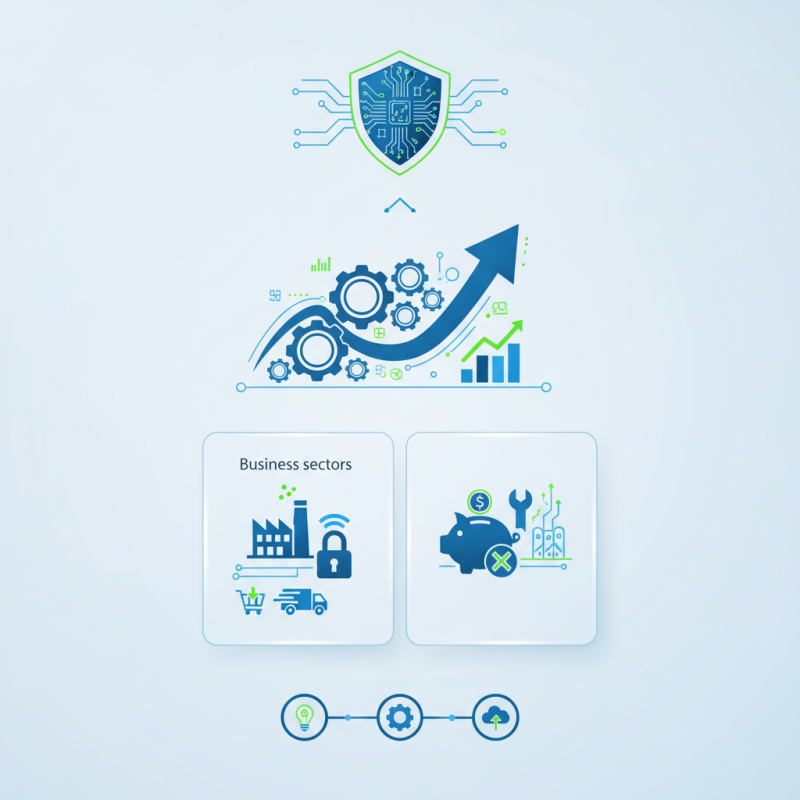
What Are Electronic Fencing Solutions?
Electronic fencing solutions are becoming vital for various businesses today. They provide an innovative way to manage and secure perimeters. These systems create digital boundaries that can trigger alerts when breached. This technology is adjustable and can fit diverse needs.
These solutions often employ sensors and video surveillance. They can monitor large areas without the need for physical barriers. This flexibility allows businesses to adapt to their changing environments. However, electronic fencing isn't foolproof. There can be false alarms and system malfunctions. Regular maintenance is crucial to ensure reliability.
Training staff to respond effectively remains essential. While technology aids security, human intervention is irreplaceable. Trusting technology alone can lead to vulnerabilities. Balancing technology with human oversight can enhance security efforts. Many businesses still face challenges in finding the right balance. Integrating electronic fencing requires careful planning and ongoing evaluation.
Benefits of Electronic Fencing for Businesses
Electronic fencing solutions provide numerous advantages for businesses. These systems use advanced technology to create virtual boundaries, ensuring safety and monitoring assets efficiently. According to a recent industry report, companies that implement electronic fencing experience up to a 35% reduction in security costs. This allows businesses to allocate resources more effectively, focusing on growth and innovation rather than traditional security measures.
One notable benefit of electronic fencing is real-time monitoring. This feature enhances situational awareness, enabling companies to respond quickly to potential threats. The effectiveness of electronic fencing systems is evident, as reports suggest that 75% of businesses reported improved safety and reduced theft incidents after implementation. It's essential to choose a system that can scale with your business needs.
Tips: Regularly update your fencing technology. Integrate it with your existing security systems. Ensure staff are trained to understand its functions. Also, reflect on how you measure success after implementation. Challenges will arise, and honing your strategy is crucial for long-term benefits. Embrace the learning curve that comes with new technology; it's part of the growth process.
Types of Electronic Fencing Solutions Available
Electronic fencing solutions offer a range of options tailored for varying business needs. Physical barriers can be a hassle. In contrast, electronic fencing presents an efficient alternative. One common type is the electric fence. It delivers a non-lethal shock to deter intruders, providing peace of mind without excessive force. This system can be customized, allowing businesses to secure large perimeters effectively.
Another option is the virtual fence. Utilizing advanced technology, it creates an invisible barrier. Sensors and radar help monitor activity, enabling businesses to respond swiftly to potential threats. This type usually requires less maintenance compared to traditional fences. Yet, it may raise concerns about technological reliability.
Wireless intrusion alarms are also popular. They trigger alerts when unauthorized entry occurs. Businesses can monitor these alarms remotely, enhancing safety for remote locations. However, they are not foolproof. Battery life and signal disruptions can pose challenges. The effectiveness of each solution may vary. Each business must assess its unique requirements carefully.
Types of Electronic Fencing Solutions Available
How to Implement Electronic Fencing in Your Business
Implementing electronic fencing solutions in your business requires careful planning. Consider your specific needs. Identify areas where electronic fencing can enhance security. These systems can monitor entrances, and exits, and even protect sensitive areas. Sensors and cameras create a comprehensive network that alerts you to unauthorized access.
Training your staff is crucial. Ensure they understand how to use the system effectively. Regular drills help build confidence and preparedness. Evaluate the technology frequently. Are the sensors working correctly? Is the software up to date? These reflections can prevent potential breaches.
Integrate the system with other security measures. Combining electronic fencing with traditional security can create a foolproof plan. However, be open to feedback. Seek opinions from employees about the fencing system's efficacy. Their insights might reveal areas needing improvement. A proactive approach will strengthen your overall security strategy.
Common Challenges and Solutions in Electronic Fencing
Electronic fencing technologies face various challenges that businesses must understand to make informed decisions. One prominent issue is the integration of different systems. Many companies experience difficulties merging existing security protocols with new electronic fencing solutions. The 2023 Security Industry Report highlights that 40% of organizations reported integration issues, leading to gaps in security coverage.
Another challenge involves false alarms, which can undermine the effectiveness of electronic fencing. According to a survey conducted by the Electronic Security Association, up to 30% of alarm activations are false. This can result in resource wastage and decreased trust in security measures. Companies need to implement rigorous testing and calibration to reduce false alarm rates effectively.
Lastly, maintenance of electronic fencing systems can be a significant hurdle. Regular upkeep is essential to ensure optimal performance. Data from the Global Security Survey indicates that organizations neglect maintenance 25% of the time, often resulting in system failures. This neglect can expose businesses to security risks, necessitating a culture of proactive management and monitoring.
What is Electronic Fencing Solutions for Your Business Needs? - Common Challenges and Solutions in Electronic Fencing
| Challenge | Description | Solution |
| Data Security | Ensuring that sensitive data is protected from unauthorized access. | Implementing strong encryption methods and access controls. |
| Integration with Existing Systems | Difficulty in integrating new electronic fencing solutions with legacy systems. | Using middleware or API solutions to facilitate integration. |
| User Training | Employees may lack understanding of new electronic fencing technologies. | Providing comprehensive training and user manuals. |
| Cost Management | High initial investment costs can deter businesses from adopting new solutions. | Exploring financing options and phased implementation strategies. |
| Regulatory Compliance | Staying compliant with industry regulations and standards. | Regular audits and updates to the compliance framework. |