
How to Buy Christmas Inflatables in 2026

Buying Christmas Inflatables in 2026 is about more than choosing the tallest snowman on the screen. A display that looks charming online may overwhelm a small porch or block a walkway. Measure the space, including its height and width, before comparing designs. Check the product’s listed dimensions, lighting type, blower requirements, and included stakes. Small details matter.

Seasonal display consultant Martin Hale offers this practical reminder: “Buy for the space you have, not the scene you imagine.” Use that as a starting point, not a guarantee. Compare fabric quality, seam construction, and weather guidance, then read recent reviews for notes about noise, setup, and durability. Look for clear instructions and accessible customer support. Keep receipts and product details, too. They may help if a part is missing.

Plan the setup before the delivery arrives. Confirm that a suitable outdoor outlet is nearby, and consider how cords can stay out of foot traffic. Follow the manufacturer’s anchoring and operating instructions; a large inflatable can catch wind like a sail. If your yard is exposed, a smaller design may be the wiser choice. Not as dramatic, perhaps. But more practical. Finally, think about storage: a compact, dry place can help protect your purchase after the season. This guide will help you weigh those choices and shop for Christmas Inflatables with clearer expectations. It will not make every decision easy. That is worth admitting.
How to Buy Christmas Inflatables in 2026

Determine Your Space, Display Goals, and Budget

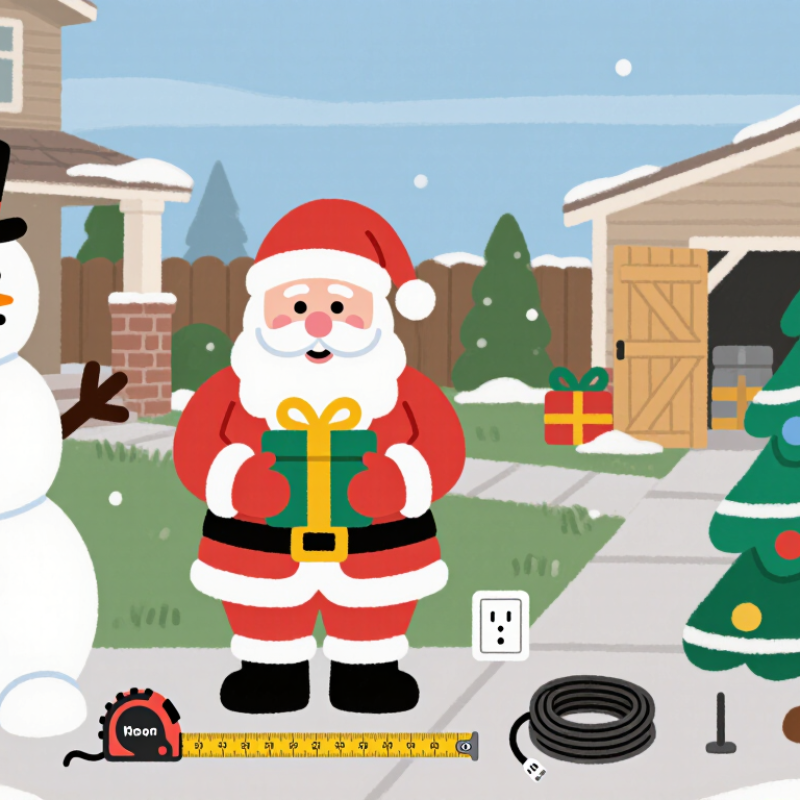
Before buying Christmas inflatables in 2026, measure the display area’s width, height, and depth. Check for low branches, doors, pathways, and a nearby outdoor outlet. Leave room for stakes and tie-downs, too. A tape measure is not festive. It can prevent a ten-foot snowman from blocking the front steps.

Set a firm budget that includes more than the purchase price: electricity, suitable outdoor extension cords, anchoring supplies, and off-season storage. The National Retail Federation’s 2024 holiday survey found shoppers planned to spend an average of $902.03 on gifts, food, decorations, and other seasonal items. That is a broad holiday-spending benchmark, not a recommended inflatable budget. Decide what feels comfortable for your household, then compare sizes and features within that limit.

Check the inflatable’s wattage and estimate its running cost using your local electricity rate and planned display hours. Do not assume the blower uses little power. If the model includes LED lighting, the U.S. Department of Energy says LEDs use at least 75% less energy than incandescent lighting; that figure applies to the lighting, not necessarily the blower. Also consider where the deflated item will dry and fit after the season. Storage plans are easy to overlook.

Compare Inflatable Types, Sizes, Materials, and Features

Christmas inflatables range from simple figures to arches and full yard scenes. A single character suits a porch or small lawn; an arch needs a clear path and more anchoring space. Multi-piece displays look lively, but their cords and fan outlets can make setup less tidy. Bigger is not always better.

Check the listed inflated height, width, and depth, then compare them with your actual display area. Leave room for stakes, guy lines, and nearby walkways. Measure the storage space, too: a tall inflatable may pack into a surprisingly bulky bundle. I nearly forgot that part—easy to overlook.

Most models use polyester or nylon fabric. Compare fabric weight, seam construction, and whether the material is described as UV-resistant or water-resistant; these terms do not mean weatherproof. Look for secure tie-down points, a stable blower, and clear setup instructions. Check the power-cord length against your outdoor outlet, and follow the maker’s guidance for wind and wet conditions. Small details matter. A bright LED feature can improve nighttime visibility, while a timer may reduce daily switching. Still, extra features add little if the inflatable does not fit your space or storage plan.

Check Safety Ratings and Weather Suitability

When buying Christmas inflatables in 2026, check the safety label before judging the design. Look for a recognized, independent safety certification that applies in your country. Confirm that the blower, plug, and cord are rated for outdoor use. A cheerful snowman is no bargain if its electrical parts are meant for indoors. Check seams, cable insulation, and anchor points for damage or flimsy construction. If the listing gives no clear safety information, ask the seller or choose another item. Small detail: inspect the plug, too.

Weather suitability matters just as much. Read the stated wind limits and follow the setup instructions, even if the forecast looks calm. Wind matters. Use every supplied tether, and secure stakes in firm ground; soft, wet soil may not hold them well. Check whether the inflatable is water-resistant, not assume it is waterproof. Keep connections off the ground and use an outdoor-rated, protected outlet as directed. In freezing weather, stiff fabric and icy stakes can make secure setup harder. It is tempting to leave an inflatable running through a storm, but switching it off and storing it dry may be the safer choice. Allow space from paths, doors, and low branches.

Compare Retailers, Prices, Warranties, and Delivery Terms

When comparing Christmas inflatables for 2026, compare the full delivered cost, not just the sale price. Record each item’s height, material, included stakes, blower specifications, and packed dimensions. A compact box may be easier to store, but check that it fits your space when fully inflated. Adobe Analytics forecast U.S. online holiday sales of $240.8 billion in 2024, up 8.4% year over year. That competitive market makes discounts common, but an advertised markdown does not reveal shipping fees or what the package includes.

Read warranty terms closely. Check whether coverage applies to the blower, fabric, seams, and electrical parts, and whether outdoor weather or seasonal use is excluded. Compare the warranty period with the return window; they are not the same. The National Retail Federation reported that retailers expected $743 billion in merchandise returns in 2023, or 14.5% of annual sales. Its figure covers retail broadly, not inflatables, but it shows why return costs and conditions deserve attention. Keep the packaging until the item is tested.

Delivery details matter. Confirm the dispatch estimate, arrival date, tracking availability, and cost of return shipping. For a large inflatable, ask whether delivery is doorstep-only and whether a signature is required. A low sticker price can still be the wrong deal. I’d compare the final checkout total and written terms side by side; estimates can change, and I might still miss a detail.

How to Buy Christmas Inflatables in 2026 - Compare Retailers, Prices, Warranties, and Delivery Terms
Retailer Type Typical Price Range (USD) Selection and Best For Warranty to Check Delivery Terms to Check Buying Tip
Large general online retailer About $20–$150 for common small-to-large yard inflatables; oversized or elaborate designs may cost more. Broad seasonal selection, multiple sizes, and customer reviews. Useful for comparing several styles in one place. Coverage varies by item and seller. Confirm the written warranty period, covered defects, and whether the seller or manufacturer handles claims. Check the estimated arrival date, shipping cost, and whether the product is shipped by the retailer or a third-party seller. Read recent reviews for notes about fan performance, setup, and durability; confirm the displayed dimensions before ordering.
Specialty holiday-decor retailer Often about $30–$250 or more, depending on size, design, and included features. Season-focused designs and product details. A good option when looking for a particular theme or a larger display piece. Review the product-specific warranty and exclusions. Do not assume that all products in a store have the same coverage. Check seasonal shipping deadlines, handling fees for large cartons, and the retailer’s policy for delayed or damaged deliveries. Order early in the season if a specific design is important; seasonal stock can sell out.
Third-party online marketplace seller About $15–$200+, with prices varying widely by size, materials, and seller. Many styles and price points. Suitable for price comparison, but product and seller standards can vary. Check both the seller’s stated warranty and the marketplace’s applicable buyer-protection terms. Save the listing and receipt. Verify the seller’s dispatch location, delivery estimate, tracking availability, and who pays return shipping. Check seller ratings, return conditions, and whether the listing clearly identifies included accessories and electrical specifications.
Home-improvement or seasonal retail store Commonly about $25–$180 for seasonal models; selection and prices can change during the season. May offer online ordering with local pickup, depending on stock and location. Useful when you want to inspect a similar item in person. Confirm the product warranty and keep proof of purchase. Store return policies may differ from warranty coverage. Check local inventory, pickup deadlines, delivery availability, and any extra charge for bulky items. Compare the online listing with local stock before travelling; seasonal inventory may not be replenished.
Local independent seasonal shop Prices vary; compare the quoted price with similar products of the same height and feature set online. Potential for in-person advice and immediate collection, with a smaller selection than larger sellers. Ask for warranty terms in writing, including the contact point for repairs or replacement parts. Confirm whether delivery is available, its cost, and the expected date before paying. Inspect the box for the listed contents and ask about the return policy for opened or assembled items.
Price and terms note: Price ranges are broad planning estimates in U.S. dollars, not live 2026 quotes or guaranteed retailer offers. Actual prices, warranty coverage, shipping charges, delivery dates, and return rules vary by product, seller, location, and time of purchase. Confirm the current listing and written terms before ordering.

Review Setup, Storage, and Maintenance Requirements

Before buying a Christmas inflatable, check its setup requirements against your actual yard. Measure the display area, including clearance from walkways, fences, and low branches. Confirm that the included stakes and tethers suit your ground; hard or frozen soil can make anchoring difficult. Read the manual for wind limits, electrical connections, and whether the unit is rated for outdoor use. A long extension cord may seem convenient, but it can create a trip hazard and complicate safe placement.

Storage and upkeep affect how long the decoration lasts. Let the fabric dry fully before packing it away; trapped moisture can lead to mildew and unpleasant odors. Fold loosely rather than forcing stiff seams into a tight box, and keep the fan, cords, and stakes together in a labeled container. Inspect seams, plugs, and tether points before each season. The NFPA estimated that holiday decorations, excluding Christmas trees, were involved in an average of 790 U.S. home structure fires each year from 2016 to 2020. That figure covers many decoration types, not inflatables alone, but it supports taking setup and electrical checks seriously.

Tips: Photograph the original setup before taking it down. Check the forecast, secure every tether, and keep the fan intake clear of leaves. If a seam or cord looks damaged, pause and consult the manufacturer’s care instructions instead of improvising a repair. Drying takes patience. A slightly imperfect fold is better than storing damp fabric.

Back To Top