
2026 How to Choose Natural Stretch Fabric?

Choosing the right Natural Stretch Fabric in 2026 requires more than checking softness or color. The best option must balance comfort, recovery, durability, breathability, and responsible sourcing. A fabric may feel smooth in a showroom, yet lose its shape after repeated washing. That difference matters.

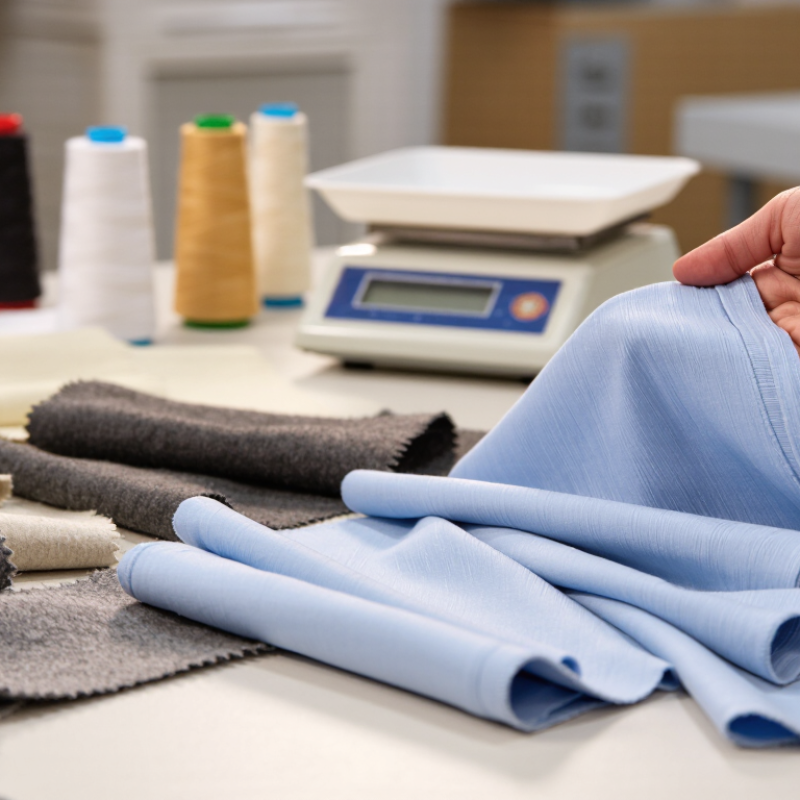
During practical fabric evaluation, touch is only the beginning. Stretch a jersey across your hand and watch how quickly it returns. Examine the surface under bright light for uneven loops, loose fibers, or early pilling. Check its weight, width, and recovery after several gentle pulls. These small tests reveal more than a product photograph.

Fiber content also deserves careful attention. Cotton, wool, hemp, and other natural fibers behave differently under tension. Some provide gentle movement without added elastic fibers. Others need a small blended component for dependable recovery. Neither choice is automatically superior. The intended use decides the standard.

Consider skin comfort, climate, washing habits, and garment structure. A lightweight cotton blend may suit everyday shirts, while a denser wool fabric may perform better in tailored clothing. Look for transparent supplier information and recognized certifications, such as GOTS or OEKO-TEX, where applicable. Certification does not solve every concern.

There is no perfect fabric.

Even experienced buyers can overlook shrinkage or color transfer. Testing a sample remains essential. Wash it. Stretch it. Wear it.

This guide explains how to compare Natural Stretch Fabric with clearer criteria in 2026. It also examines sustainability claims, performance evidence, and common purchasing mistakes. The most reliable decision is rarely the cheapest or softest one. It is the fabric that performs honestly in real use.
2026 How to Choose Natural Stretch Fabric?

What Natural Stretch Fabric Is and How It Gets Its Elasticity

2026 How to Choose Natural Stretch Fabric?

What is natural stretch fabric? It is a textile that extends through fiber behavior, yarn structure, or fabric construction. It does not depend entirely on synthetic elastic fibers. Wool has natural crimp, allowing its fibers to bend and recover. Silk offers modest flexibility. Cotton and linen have limited fiber elasticity. However, knitted loops can create comfortable movement. A loose weave can also provide gentle give.

Elasticity is more than stretch. Stretch measures how far fabric extends. Recovery measures how well it returns. This difference matters in waistbands, fitted shirts, and everyday trousers. A fabric may feel flexible in your hands yet lose its shape after repeated sitting. I have learned to test both sides of the material. Pull a ten-centimeter section, hold it briefly, then release it. Measure the remaining distortion after one minute. The result is not perfect, but it reveals useful behavior.

Natural stretch also depends on moisture, heat, and washing. Wool may recover well but shrink under careless washing. Cotton jersey can feel soft and mobile, then become loose with wear. Check the fiber content, knit density, and care instructions before choosing. For active garments, look for strong recovery and secure seams. For relaxed clothing, softer movement may be more valuable than firm return. Fabric selection involves compromise. That part is easy to underestimate.

Key Natural Fibers Used in Stretch Fabrics

2026 How to Choose Natural Stretch Fabric?

Natural fibers can create stretch, but most are not naturally elastic. Cotton is the common starting point for soft, breathable stretch fabrics. Its fibers feel comfortable against skin and accept dyes well. In knitted construction, cotton loops can expand across the body. However, repeated stretching may leave knees or elbows looking loose. A small amount of elastane often improves recovery, although the final fabric is no longer purely natural.

Wool offers useful resilience because its fibers have a naturally crimped structure. Fine wool knits can move with the body and return to shape after wear. They also manage warmth and moisture effectively. Silk provides smooth drape and gentle flexibility, especially in knitted forms. It feels luxurious, but abrasion and washing can reduce its service life. Care labels matter here. They are not decorative.

Linen and hemp have stronger, firmer fibers with limited natural stretch. Their comfort comes mainly from breathability and fabric construction. A loose knit or blended yarn can make them easier to move in. During selection, pull a fabric across its width, then release it. Check whether the surface recovers without ripples. Examine the yarn blend, knit density, weight, and recovery after several pulls. A fabric may feel flexible in the store yet become disappointing after real use. That detail is easy to miss.

2026 How to Choose Natural Stretch Fabric? - Key Natural Fibers Used in Stretch Fabrics

Natural Fiber Natural Stretch Potential Stretch and Recovery Characteristics Breathability and Moisture Behavior Common Stretch-Fabric Construction Best Applications Important Selection Notes
Cotton Low in the fiber itself; moderate comfort stretch can be created through knit construction. Limited natural recovery. Cotton-rich stretch fabrics usually rely on knit structure or a small elastane component. Highly breathable and absorbent; can feel damp when wet and may dry more slowly than synthetic fibers. Single jersey, rib knit, interlock, stretch twill, and cotton-elastane blends. T-shirts, underwear, casualwear, babywear, leggings, and comfortable everyday garments. Choose a knit structure for comfort stretch. For body-hugging garments, check recovery and dimensional stability after washing.
Wool Moderate to high compared with most plant fibers because of its natural crimp and fiber structure. Good resilience and recovery, especially in fine wool and knitted fabrics; excessive heat and agitation can cause felting or shrinkage. Breathable, temperature-regulating, and moisture-absorbing without feeling immediately wet. Jersey, rib knit, interlock, lightweight merino knit, and wool blended with other fibers. Base layers, knitwear, active lifestyle clothing, travel garments, and fitted winter apparel. Evaluate fiber fineness, knit density, pilling resistance, and care requirements. Look for a stable fabric edge and reliable recovery.
Silk Low to moderate; silk has some natural extensibility but is not inherently elastic like elastane. Smooth hand feel and limited stretch. Recovery depends strongly on the weave, knit structure, and blend composition. Breathable, moisture-absorbent, and comfortable across changing temperatures. Silk jersey, stretch charmeuse, knitted silk, and silk blended with elastane or other fibers. Lingerie, dresses, lightweight tops, sleepwear, scarves, and premium close-to-skin garments. Check snag resistance, seam strength, colorfastness, and care instructions. Silk is usually selected for comfort and drape rather than high stretch.
Linen Low; linen fibers have limited elasticity and can crease under repeated bending. Low recovery in woven fabrics. Comfort can improve through loose constructions, knits, or blending with an elastic fiber. Very breathable and absorbent, with a cool hand feel suited to warm climates. Linen jersey, linen-cotton knits, linen-elastane blends, and lightly structured stretch wovens. Summer shirts, relaxed trousers, dresses, resortwear, and breathable casual garments. Use for ease and airflow rather than compression or intensive movement. Consider wrinkle behavior and seam durability.
Hemp Low in the fiber itself; stretch is mainly introduced through knitted construction or blending. Generally firm with limited recovery in woven form. Softness and flexibility can improve after washing and wear. Breathable and absorbent, with good comfort in warm conditions. Hemp jersey, hemp-cotton knit, hemp-elastane blends, and flexible lightweight woven fabrics. Casualwear, relaxed trousers, tops, workwear-inspired garments, and durable everyday clothing. Assess fabric softness, abrasion resistance, shrinkage, and seam comfort. It is better suited to relaxed ease than close compression.
Natural Rubber Very high; natural rubber is an elastomer and can provide substantial stretch and recovery. Excellent elasticity, but performance can decline with heat, oils, ultraviolet exposure, oxidation, and aging. Not typically selected for breathability; it is mainly used as an elastic component or coated material. Elastic threads, narrow elastic tapes, stretch panels, and specialty coated textiles. Waistbands, support components, swimwear details, medical elastic products, and specialty performance textiles. Check latex sensitivity requirements, aging resistance, wash durability, and compatibility with skin-contact applications.
Selection principle: Natural fibers usually provide comfort, breathability, moisture management, and a soft hand feel, but most do not provide high elastic recovery on their own. For fitted or high-movement garments, evaluate the fabric construction, elastane or natural-rubber content, stretch direction, recovery after repeated extension, and care durability.

How to Compare Comfort, Recovery, Durability, and Breathability

How to Choose Natural Stretch Fabric?

Choosing natural stretch fabric starts with the movement it must support. In fitting-room tests, I stretch a swatch across my palm, then release it. Good recovery brings the fabric close to its original shape within seconds. If ripples remain, the garment may bag at the elbows or knees. Comfort depends on more than softness. Check the fabric against bare skin, especially along seams and waistbands. A breathable weave feels less clammy during repeated movement. Hold it toward light. Open spaces often improve airflow, but they can reduce coverage and abrasion resistance. Fabric weight matters too. Lightweight cloth dries faster, while heavier cloth may feel steadier.

Durability needs a simple, repeatable check. Rub a folded sample against itself, stretch it ten times, and inspect the surface for fuzz or broken yarns. Then wash it according to the care label and measure its length again. This reveals shrinkage that a showroom touch cannot. I once favored an exceptionally soft fabric, but its recovery weakened after several washes. That mistake changed my evaluation process. Now I compare comfort before and after laundering. A strong choice balances a smooth hand feel, dependable recovery, airflow, and resistance to pilling. No fabric wins every category. A highly breathable construction may wear sooner under heavy friction. A dense one may last longer but feel warm. Record the results, not just impressions. Small differences become obvious when samples sit side by side.

2026 How to Choose Natural Stretch Fabric?

How to compare comfort, recovery, durability, and breathability across common natural-fiber stretch fabrics.

Scores use a 1–10 comparative index based on typical fiber behavior in knitted fabrics. Comfort reflects softness and skin feel; recovery reflects resistance to bagging after stretch; durability reflects abrasion and wear resistance; breathability reflects moisture and heat transfer. Actual results vary with yarn count, knit structure, finishing, and fabric weight.

Steps for Choosing Natural Stretch Fabric for Different Projects

Choosing natural stretch fabric begins with the project, not the trend. For soft T-shirts, test cotton jersey with mechanical stretch or a small elastane content. For trousers, inspect recovery after five repeated stretches. A useful sample should return smoothly, without shiny stress lines. Wool blends suit fitted jackets, but they may feel warm during long wear. Think about movement, washing, and skin contact.

Check four details: fiber content, stretch direction, recovery, and fabric weight. Stretch the fabric across the body area, then lengthwise. Measure the change. A 20-centimeter piece reaching 24 centimeters provides 20% stretch. Record the result. Textile Exchange’s 2024 Materials Market Report states that global fiber production reached 124 million tonnes in 2023 and may approach 160 million tonnes by 2030. Choosing durable fabric can reduce replacement pressure, but durability depends on construction, not fiber claims alone.

Wash the sample before cutting. Use the intended temperature and drying method. Measure shrinkage afterward. WRAP’s Valuing Our Clothes research found that extending garment life by nine months can reduce carbon, water, and waste footprints by 20–30%. That figure is a useful design reminder. Still, one test is not enough. My first sample can pass a stretch test and fail after washing. Recheck seams, color, pilling, and recovery before production. For children’s wear, avoid scratchy edges. For active garments, allow breathing room. A perfect percentage does not guarantee comfort.

How to Check Fabric Quality, Care Needs, and Environmental Impact

2026 How to Choose Natural Stretch Fabric?

When choosing natural stretch fabric, inspect the cloth before trusting its label. Hold it against a window and check whether the weave looks even. Gently pull a five-centimeter section, then release it. Good recovery matters. The fabric should return close to its original shape, without ripples or loose loops. Rub a hidden edge against your palm. Excessive fuzz suggests weak fibers or poor finishing. I also check the fabric weight, because very light material can become transparent or lose structure quickly.

Care instructions reveal practical quality. Cotton, wool, hemp, and blended knits may react differently to heat and moisture. Wash a small sample in cool water, then dry it flat. Measure the length before and after. A two-centimeter change can affect sleeves, waistbands, or fitted clothing. Avoid assuming “natural” means effortless. Some fabrics wrinkle easily, while others need gentle handling. I once ignored this detail and regretted it after the first wash.

Environmental impact requires more than a fiber name. Ask about recycled content, dyeing methods, finishing chemicals, and expected lifespan. Natural fibers can still require significant water, land, or energy. Mechanical stretch may reduce synthetic content, but it can also recover less effectively. Look for clear fiber percentages and credible testing information. Choose fabric that lasts, suits your washing habits, and will actually be worn. A perfect option may not exist. That is worth admitting.

Back To Top