How to Choose the Right Booster Seat?
Choosing the right Booster Seat is less about color or cup holders than the fit between child, seat, and vehicle. A seat that looks sturdy in a store may not position a particular child’s belt correctly in the back seat. Small details matter.
Dr. Benjamin Hoffman, a pediatrician and child passenger safety expert, has emphasized: “The best car seat is the one that fits your child, is installed correctly, fits in your vehicle, and is used properly every time.” That advice offers a practical starting point. Check the Booster Seat’s height and weight limits, then compare them with the child’s measurements and the vehicle manual. With the child seated, the lap belt should rest low across the upper thighs, while the shoulder belt crosses the chest and shoulder—not the neck or face.
High-back and backless models can suit different situations, but neither is automatically right for every car. Head support, belt placement, seat shape, and room for other passengers all affect the choice. It is easy to focus on the product label and overlook the belt fit after installation. That deserves a second look.
This guide will explain what to check before buying, how to assess fit in your own vehicle, and which common mistakes to avoid. Recommendations and product limits can vary, so verify the specific seat instructions and current guidance from a trusted child passenger safety professional. There is no shortcut here. The best choice is the one that fits correctly on ordinary trips, not just during a quick showroom test.
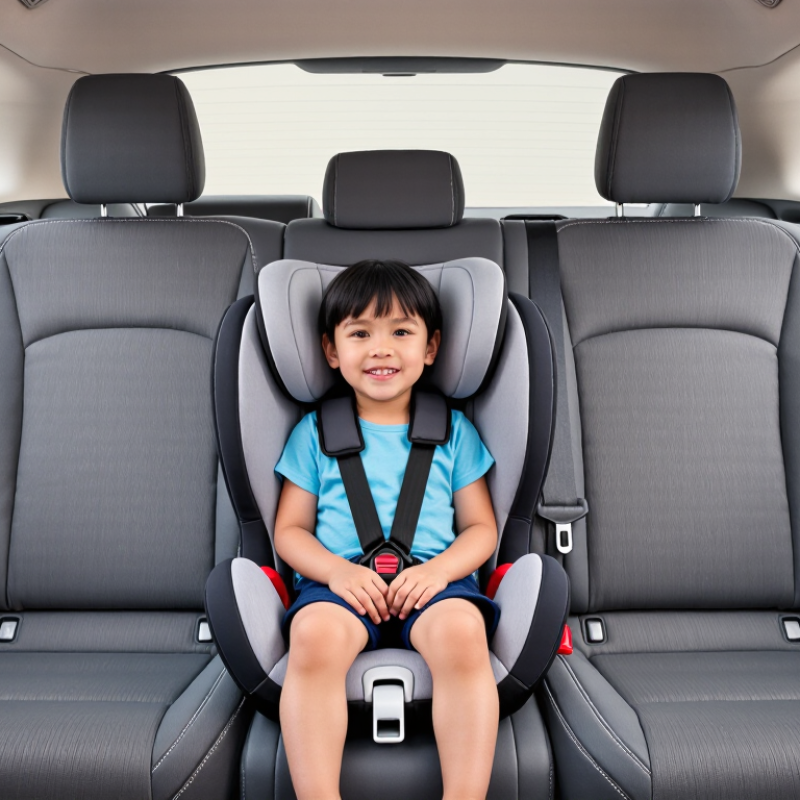
Understanding What a Booster Seat Does
A booster seat does not restrain a child by itself. The vehicle’s seat belt does that work. A booster raises the child so the belt sits in safer, more effective positions. The lap belt should lie low across the hips and upper thighs, not across the soft belly. The shoulder belt should cross the middle of the chest and shoulder, away from the neck and face. That is the point.
A quick check helps: have the child sit back with knees bending naturally at the seat edge. The belt should stay in position without twisting or slipping. Looks simple. Still, children grow at different rates, so age alone does not tell you when a booster is needed. Use one with a lap-and-shoulder belt, and follow both the booster and vehicle instructions. Keep the child in the back seat. It is easy to assume that any raised seat will do, but belt fit matters more than appearance. Recheck the fit as your child grows, especially after a long drive when slouching can change the belt’s position.
How to Choose the Right Booster Seat: Understanding What a Booster Seat Does
A booster raises a child so the vehicle’s lap-and-shoulder belt can fit more safely. This chart compares approximate median heights from CDC growth charts with the commonly cited 4 ft 9 in (145 cm) reference point. Individual children vary, so height alone does not determine when a seat belt fits properly.
Check belt fit: the child should sit with their back against the vehicle seat, knees bent at the edge, the lap belt low on the upper thighs, and the shoulder belt across the chest and shoulder. Follow your vehicle and booster-seat instructions. Sources: CDC Growth Charts; NHTSA child passenger safety guidance.
Checking Whether a Child Is Ready for a Booster Seat
A child’s age alone cannot show whether they are ready for a booster seat. Check the height and weight limits on the child’s current seat, and follow its instructions. A booster is appropriate only when the child has outgrown that seat’s forward-facing limits and can use a vehicle lap-and-shoulder belt correctly.
Try the fit while the vehicle is parked. The child should sit with their back against the vehicle seat and knees bending comfortably at its edge. The lap belt should lie low across the hips, not the stomach. The shoulder belt should cross the middle of the chest and shoulder, not the neck or face. Check the fit.
Readiness also means staying in that position for the whole ride. A child who leans forward, slouches, or moves the shoulder belt behind their back may not be ready yet. That can be difficult to judge from one short trip. Watch how they sit during ordinary drives, and check the vehicle and booster instructions together. If the belt does not fit well, or the child cannot keep a safe posture, continue using an appropriate child restraint and reassess later.
Choosing Between High-Back and Backless Models
Choosing between a high-back and backless booster depends on how the child and vehicle fit together. A high-back model provides a shoulder-belt guide and head support, which can help in cars with low seatbacks or no head restraints. It may also help a child keep the belt correctly positioned during a long ride. Check that the guide places the shoulder belt across the chest, not against the neck.
A backless booster is lighter and easier to move between vehicles, but it relies on the vehicle seat for head support. The seatback or head restraint should reach at least the child’s ears. In either style, the lap belt should rest low across the hips and upper thighs, not the stomach.
CDC reports that booster seats reduce serious injury risk by 45% for children ages four to eight, compared with seat belts alone. That finding supports booster use; it does not show that one booster style is safer for every child.
The American Academy of Pediatrics advises using a booster until the vehicle belt fits properly. Try the belt in each car. Small fit differences matter.
A child who sits neatly at home may slump or lean on the way back from school. That part is easy to overlook.
Matching the Seat to Your Child and Vehicle
How to Choose the Right Booster Seat?
Matching the Seat to Your Child and Vehicle
A booster seat should raise your child enough for the vehicle’s belt to fit correctly. The lap belt should rest low across the hips, not the stomach. The shoulder belt should cross the chest, not the neck or face. Your child’s knees should bend comfortably at the seat edge. Fit matters more than age alone. The American Academy of Pediatrics notes that many children need a booster until a seat belt fits properly, often around 4 feet 9 inches tall.
Check the booster against both your child’s size and your vehicle’s seating position. A seat that fits well in one car may sit awkwardly in another. Read the booster and vehicle manuals, then check that the belt moves freely and stays in place when your child shifts. Try it parked. Make sure the head restraint does not push the booster forward, and avoid positions where the shoulder belt rubs the neck.
There is evidence behind using a booster. A National Highway Traffic Safety Administration study reported a 45% lower risk of injury for children ages 4 to 8 using booster seats, compared with seat belts alone. That figure is useful, but it is not a promise for every crash or every child. Recheck the fit as your child grows; small changes in height can alter where the belt rests. One detail is easy to overlook: children may slouch on longer trips, so check the belt again after they settle in.
Installing and Using the Booster Seat Correctly
Place the booster flat on the vehicle seat, with its back against the seatback. Check both the booster and vehicle manuals; belt paths and setup details can differ. If the booster has a back, adjust its head support so it sits near the child’s head without pushing it forward. Keep the booster in the back seat when possible. Some models connect to vehicle anchors, while others do not, so follow the instructions rather than guessing. Secure an unoccupied booster as its manual directs. Small details matter. It can feel fussy, but a crooked or poorly positioned seat is worth correcting before the car moves.
Have the child sit upright, with their back against the seat and knees bending naturally at the seat edge. The lap belt should lie low across the hips and upper thighs, not the stomach. The shoulder belt should cross the middle of the chest and shoulder, away from the neck and face. Never tuck it under an arm or behind the back. Remove bulky coats that keep the belt from sitting close to the body; a blanket can go over the fastened belt. Check the fit again after growth spurts or when switching vehicles. A quick driveway check is easy to skip, and that is exactly when small fit problems can go unnoticed.