What is PVC Panel Benefits Uses and Types Explained?
PVC Panels have gained significant popularity in various applications due to their unique properties and benefits. These panels are made from polyvinyl chloride, a durable and versatile material. They are lightweight, moisture-resistant, and easy to install, making them an ideal choice for both residential and commercial use.
The versatility of PVC panels allows for a range of styles and designs, catering to different aesthetic preferences. From wall coverings to ceiling tiles, these panels can be utilized in many environments. Their low maintenance requirements and resistance to fading also make them a practical choice for long-term use. Moreover, the cost-effectiveness of PVC panels appeals to many budget-conscious consumers.
When considering PVC panels, it’s essential to weigh their advantages against any potential downsides. While they are sturdy, improper installation can lead to issues. Additionally, not all PVC panels are created equal. Some may lack the necessary certifications for quality and safety. Thus, informed decisions are crucial when selecting the right panel for your project.
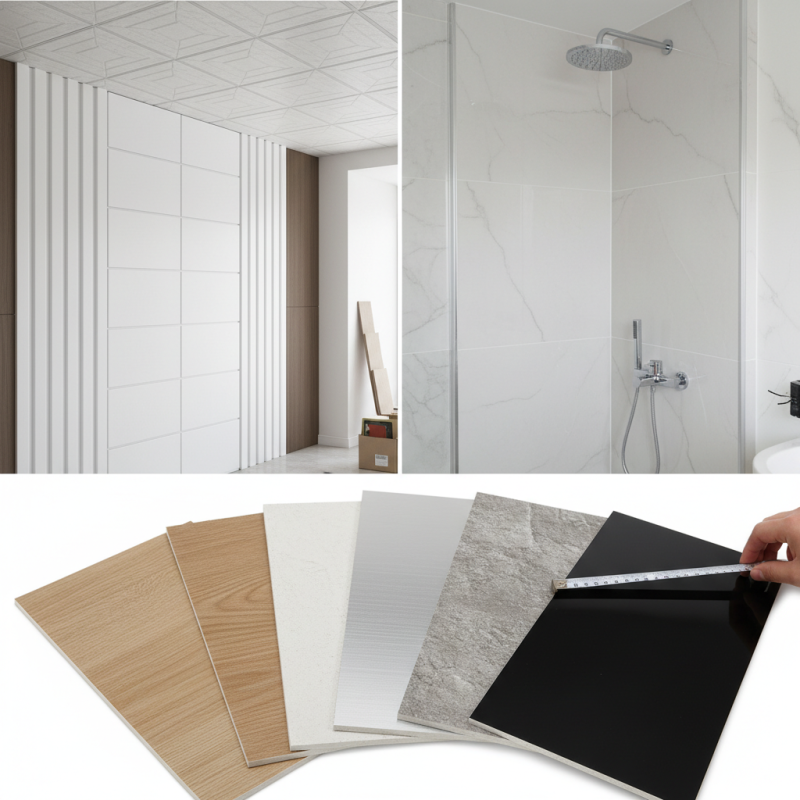
What is PVC Panel?
PVC panels have emerged as a popular choice in construction and interior design. They are made from polyvinyl chloride, a versatile plastic. This material is known for its durability and resistance to moisture. PVC panels can be used in various settings, such as bathrooms, kitchens, and even living rooms. Their lightweight nature makes them easy to install, allowing for quick renovations.
One of the key benefits of PVC panels is their aesthetic appeal. They come in a variety of colors and patterns. This allows homeowners to find a design that fits their personal style. However, some might find that not all patterns look authentic. Careful selection is essential to avoid regret later on. Additionally, while PVC panels are lower in maintenance compared to traditional materials, they can scratch easily. Ensuring that they are treated with care is advisable.
In terms of insulation, PVC panels offer decent thermal performance. They can help maintain a stable indoor temperature. However, they may not provide the same level of sound insulation as some other materials. Understanding these aspects can lead to more informed decisions. Overall, PVC panels present a blend of functionality and style, but users should consider their specific needs and preferences during selection.
Benefits of Using PVC Panels
PVC panels offer numerous benefits that make them a popular choice in various applications. Their lightweight nature simplifies installation, saving both time and effort. These panels are also resistant to moisture, which prevents mold growth and extends their lifespan. This makes them suitable for areas prone to high humidity, such as bathrooms and kitchens.
Durability is another key advantage. PVC panels are robust and can withstand scratches and impacts. They require minimal maintenance, only needing a quick wipe down to keep them looking fresh. This low upkeep makes them ideal for busy environments. However, some users may find that over time, exposure to sunlight can cause discoloration, prompting a need for replacements.
**Tip:** Ensure proper installation to maximize the longevity of your PVC panels. This can minimize the risk of warping or damage. **Tip:** Take time to select the right thickness for your project. Thicker panels generally offer better durability. Choosing quality materials can mitigate long-term effects from UV exposure.
Benefits of Using PVC Panels
Common Uses of PVC Panels
PVC panels have become increasingly popular due to their versatility and durability. These panels are lightweight and easy to handle. They are often used in residential and commercial settings. One common use is in wall coverings. PVC panels can mimic the look of wood or tile. This offers a stylish alternative to traditional materials.
Another area where PVC panels excel is in ceiling applications. Many businesses use them for suspended ceilings. They are resistant to moisture, making them ideal for kitchens and bathrooms. Additionally, they are easy to clean and maintain. This practicality appeals to both homeowners and property managers.
In industrial environments, PVC panels also shine. They help create clean rooms and laboratories. Their chemical resistance makes them suitable for various settings. However, it’s essential to consider the environmental impact of PVC production. Sustainability should be part of the conversation. Balancing benefits with environmental responsibility is crucial for future applications.
Different Types of PVC Panels
PVC panels are popular for their versatility. There are several types, each suited for different applications. One common type is wall panels. These panels are lightweight and easy to install. They provide a clean and modern look to interiors. Their waterproof nature makes them ideal for bathrooms and kitchens.
Another type is ceiling panels. These enhance the aesthetics of any room. Ceiling PVC panels can mimic the look of wood or metal. This versatility allows for various design possibilities. Additionally, there are decorative PVC panels. These often feature intricate patterns and textures. They can be used in residential and commercial spaces for an eye-catching result.
Some users encounter challenges with durability. Not all PVC panels resist scratching or fading well. Certain environments may affect their lifespan. It's important to select high-quality panels for long-term use. Proper installation is crucial to maintain their integrity and appearance.
Installation and Maintenance of PVC Panels
Installing PVC panels can be straightforward, but attention to detail is crucial. Before starting, ensure the surface is clean and dry. Apply a good adhesive to the back of the panel. This allows for a strong bond. Press the panel firmly and leave space for expansion. Gaps will help prevent warping later.
Maintenance is essential for longevity. A simple wipe with a damp cloth is often enough. However, avoid abrasive cleaners that can scratch the surface. Inspect the panels regularly for any cracks or discoloration. Addressing issues early can save you from more extensive repairs.
It’s important to note that not all installations are flawless. Sometimes, panels might not align perfectly. Adjusting after installation can be tricky. This highlights the need for careful measuring before cutting panels. Learning from these small mistakes can lead to better outcomes in future projects.
What is PVC Panel Benefits Uses and Types Explained? - Installation and Maintenance of PVC Panels
| Attribute | Details |
| Material | Polyvinyl Chloride (PVC) |
| Benefits | Water-resistant, durable, lightweight, easy to install, low maintenance |
| Common Uses | Wall covering, ceiling panels, flooring, furniture design, restroom stalls |
| Types | Rigid PVC Panels, Flexible PVC Panels, PVC Foam Panels |
| Installation Method | Direct panel mounting, use of adhesive, clips or tracks |
| Maintenance Requirements | Occasional cleaning with mild detergent and water, avoid harsh chemicals |
| Lifespan | 10-20 years with proper maintenance |