What is Rubber Floor Tiles and How They Benefit Your Space?
Rubber floor tiles have gained popularity in various settings, from homes to commercial spaces. According to a recent report by Grand View Research, the global rubber flooring market size is expected to reach $1.91 billion by 2027. This growth reflects a rising awareness of the numerous benefits that rubber floor tiles offer. Their durability and slip resistance make them ideal for high-traffic areas.
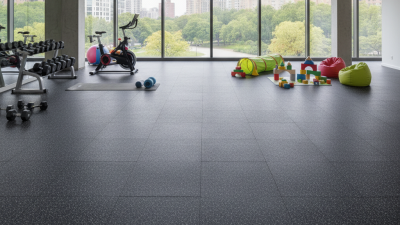
These tiles also provide excellent shock absorption. This feature is particularly beneficial for fitness facilities and children's play areas. Research from the Consumer Product Safety Commission indicates that flooring plays a crucial role in reducing injuries. Such data highlights the importance of selecting appropriate materials to enhance safety.
While rubber floor tiles present many advantages, they are not without challenges. Some may be prone to indentation if heavy furniture is placed on them. Additionally, improper installation can lead to issues over time. Therefore, it’s vital to work with professionals who specialize in rubber flooring. This ensures that your investment brings long-lasting value to your space.
What Are Rubber Floor Tiles?
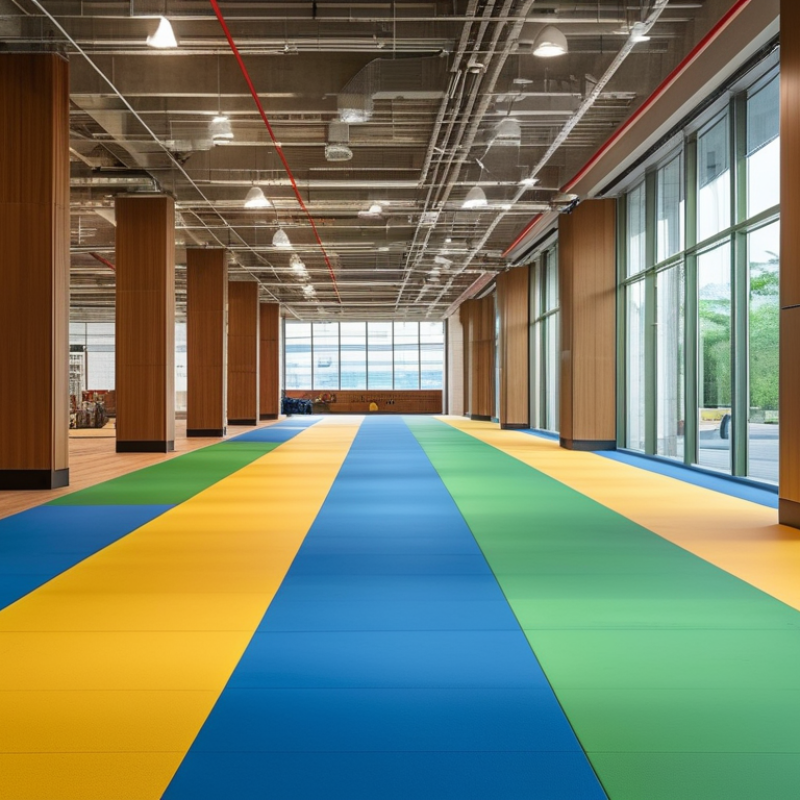
Rubber floor tiles are a versatile flooring option. Made from natural or synthetic rubber, they offer significant advantages in various environments. According to a report from the Rubber Manufacturers Association, rubber flooring can reduce noise levels by up to 25%. This makes it a popular choice for gyms, play areas, and other high-traffic locations.
These tiles come in various colors and textures, allowing for creative design solutions. They are highly durable and can withstand heavy foot traffic. According to studies, rubber flooring can last between 20 to 30 years with proper maintenance. Their slip-resistant surfaces enhance safety, reducing the risk of falls, especially in places like schools and hospitals.
Maintenance is relatively simple. Regular sweeping and occasional wet mopping keep them looking new. However, they can stain from certain substances if not cleaned promptly. While rubber flooring is highly effective in many spaces, it may not suit areas with extreme heat. It's always worth evaluating specific requirements before choosing this flooring type.
Types of Rubber Floor Tiles Available in the Market
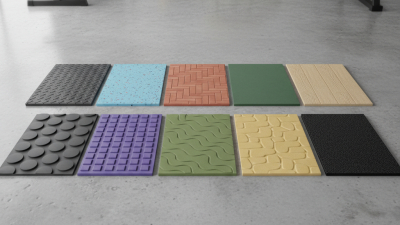
Rubber floor tiles are a popular choice for various spaces due to their durability and comfort. Several types are available, catering to different aesthetics and functional needs. For instance, interlocking rubber tiles are easy to install and remove, making them perfect for rented spaces or temporary setups. They come in many colors and patterns, allowing for creative designs.
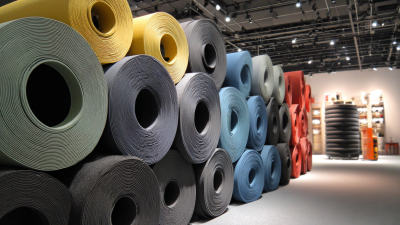
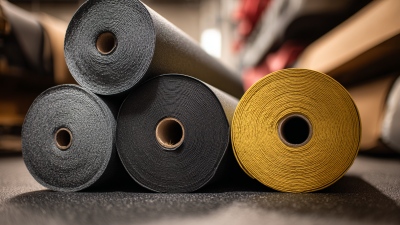
Another type is rolled rubber flooring, which provides a seamless look. It's ideal for gyms and play areas because it offers extra cushioning and sound absorption. Eco-friendly options, made from recycled materials, have gained traction as well. These options help businesses showcase their commitment to sustainability while enjoying the benefits of rubber flooring.
Despite their advantages, selecting the right type can be challenging. Each option presents unique maintenance requirements and installation challenges. Some tiles may fade over time, particularly if exposed to sunlight. It's essential to consider these factors before making a decision. Each type has its pros and cons, and understanding these helps in creating the best environment for your space.
Key Benefits of Using Rubber Floor Tiles in Various Spaces
Rubber floor tiles offer a versatile solution for various spaces. Their ability to absorb impact makes them ideal for gyms, play areas, and even commercial settings. These tiles provide excellent traction, reducing the risk of slips and falls. This benefit is especially important in high-traffic environments where safety is a top priority.
For residences, rubber tiles add a cushioning effect, making them comfortable underfoot. They are easy to maintain and resistant to stains, moisture, and wear. This durability ensures they can handle heavy foot traffic without losing their aesthetic appeal. However, one should consider the color and texture carefully. A bright color may not blend well with classic decor, leading to a mismatch.
Tips: When installing rubber tiles, ensure a clean, dry surface. This will enhance adhesion and longevity. Regular cleaning with mild soap can preserve their look. Be mindful of the seams; they can become dirty and affect the overall appearance.
What is Rubber Floor Tiles and How They Benefit Your Space?
| Benefit |
Description |
Ideal Spaces |
| Durability |
Rubber floor tiles are highly durable and withstand heavy foot traffic. |
Gyms, Commercial Spaces |
| Safety |
Rubber flooring is slip-resistant and provides a safe walking surface. |
Play Areas, Bathrooms |
| Comfort |
Offers cushioning, reducing fatigue for those standing for long periods. |
Restaurants, Retail Stores |
| Easy Maintenance |
Simple to clean and maintain, requiring minimal effort. |
Homes, Offices |
| Sound Absorption |
Helps to reduce noise levels within a space. |
Studios, Classrooms |
Installation Process of Rubber Floor Tiles
The installation process of rubber floor tiles requires careful planning and execution. Begin by preparing the subfloor, ensuring it is clean, dry, and level. A well-prepared surface helps prevent future issues like uneven tiles or moisture-trapping. According to the Resilient Floor Covering Institute, properly prepared surfaces reduce the risk of installation errors by nearly 30%.
Next, measure the area accurately. This step is crucial for determining how many tiles you'll need and for minimizing waste. Consider dividing the room into quadrants for a more manageable installation. Start laying tiles from the center to ensure even coverage throughout the space. It’s important to use the right adhesive or double-sided tape, depending on the type of tiles chosen.
The curing time of the adhesives plays a vital role in longevity. Industry reports suggest waiting 24 to 48 hours before heavy traffic. This time allows for proper bonding and reduces the likelihood of tile movement. As you work, stay aware of adhesive application; uneven coverage can lead to peeling or reduced durability over time. Also, consider seeking help if unfamiliar with the installation process, as a lack of experience can lead to costly mistakes. Making these considerations can significantly enhance the quality of your installation, providing a long-lasting solution for your space.
Maintenance Tips for Long-lasting Rubber Floor Tiles
Rubber floor tiles are a popular choice for both residential and commercial spaces. Maintaining these tiles is crucial for longevity and appearance. Regular cleaning is essential. Use a damp mop and mild detergent to remove dirt. Avoid harsh chemicals that can damage the surface.
In addition to cleaning, consider using mats in high-traffic areas. They help prevent scratches and prolong the life of your flooring. Inspect the tiles periodically for any signs of wear. Look for cracks or loose tiles. Early detection can save you from more extensive repairs later.
Moisture can be a significant issue. Ensure proper ventilation to prevent mold growth. If spills occur, clean them promptly to avoid staining. While rubber tiles are durable, they still require care and attention. Small efforts can lead to a longer-lasting and beautiful floor.