How to Select the Best Wire Single Core for Your Projects?
Selecting the best Wire Single Core for your projects is crucial. The right choice impacts performance and safety. Data from industry reports indicate that 60% of electrical failures stem from improper wiring. Therefore, making informed decisions is essential.
Wire Single Core offers simplicity and efficiency. This type of wire is known for its conductivity and reliability in various applications. However, not all projects require the same specifications. Understanding your project's unique demands can be challenging. For instance, different environments or load requirements may necessitate distinct wire gauges.
Moreover, quality varies significantly in the market. Choosing a well-established manufacturer can reduce risks. Ignoring this factor may lead to costly mistakes. Seek recommendations and consult technical specifications before making a purchase. Exploration and vigilance are key when sourcing Wire Single Core. This ensures durability and optimal performance, minimizing setbacks in your projects.
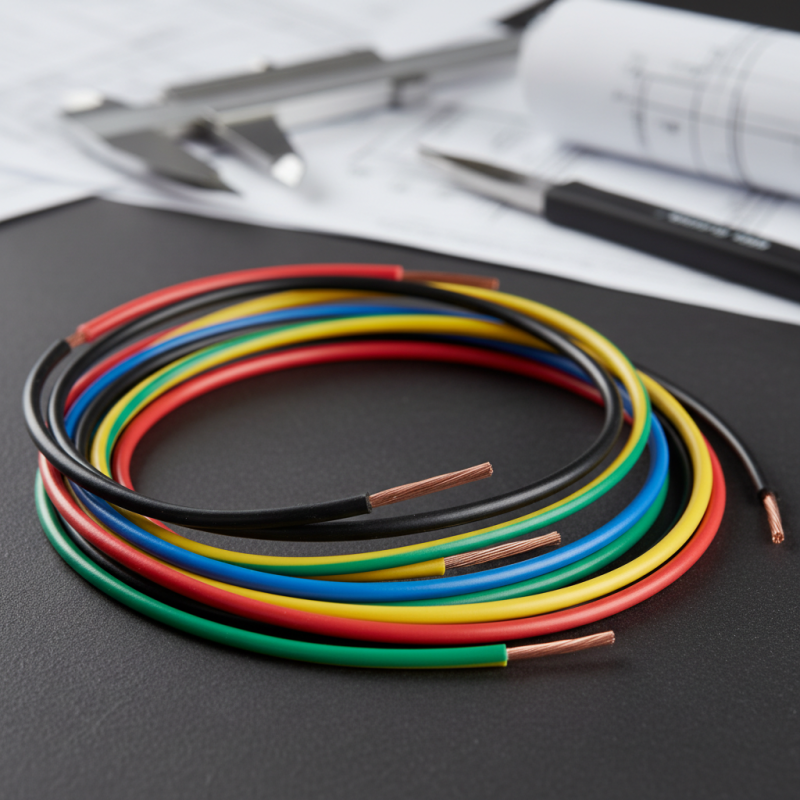
Understanding Wire Types: A Comprehensive Overview of Single Core Wires
When working on electrical projects, selecting the right single core wire is crucial. Single core wires are made up of a single conductor. They are known for their flexibility and ease of installation. Many projects benefit from this type of wire, including home wiring and industrial applications.
Various factors influence the choice of single core wire. Consider the wire's material, such as copper or aluminum, as it affects conductivity and durability. You should also think about the wire gauge. A thinner gauge may be easier to work with but can overheat under heavy loads. It’s essential to assess your project's requirements carefully. Don't overlook insulation types, which play a significant role in safety and performance.
Mistakes can happen when selecting materials. Always check the specifications of the wire against your project's demands. Sometimes, people select based on cost without considering long-term effects. Reflect on your previous choices. Were they based on thorough research? Each project taught a valuable lesson about the importance of choosing wisely.
Evaluating Electrical Ratings: Voltage and Amperage Considerations
When selecting a wire single core for your projects, voltage and amperage considerations are vital. According to the National Electrical Code (NEC), proper wire sizing prevents overheating and reduces fire hazards. For instance, a wire carrying 15 amps typically requires a gauge of 14 AWG for safe operation.
Understanding voltage ratings also plays a crucial role. Each wire type has specific voltage limits. Exceeding these can lead to insulation breakdown, which may cause shorts or electrical fires. A lack of proper insulation can lead to dangerous situations, particularly in high-voltage applications. Always check the wire's voltage rating before use.
Tips: Always verify the wire gauge against the amperage requirements of your project. Inexperience can lead to mismatches. A detailed chart helps in choosing the right gauge.
Also, consider the environment where the wire will be installed. Wet or outdoor settings require wires designed for additional protection. As underlined by industry reports, improper installations often stem from neglecting environmental factors.
Tips: Seek expert opinions when in doubt. Simple miscalculations can have serious repercussions. Taking time to assess needs saves headaches later on.
Material Selection: Copper vs. Aluminum for Single Core Wires
When choosing between copper and aluminum for single core wires, one must weigh several factors. Copper is known for its superior conductivity. According to industry reports, copper has a conductivity of around 59.6 x 10^6 S/m. This makes it an ideal choice for high-efficiency projects. On the other hand, aluminum has a lower conductivity, around 37.7 x 10^6 S/m. However, it is significantly lighter and often more cost-effective.
Choosing aluminum can lead to reduced material costs and easier installation. Yet, aluminum’s tendency to oxidize can be a downside. This oxidation can impact performance and reliability. A report from the International Wire and Cable Exhibitor indicates that aluminum wires require special care to maintain their efficiency over time.
**Tip:** Always consider the specific application. For high-current applications, copper may be preferable despite the higher initial cost.
However, if weight and budget are major constraints, aluminum can be a worthy alternative. Remember, it’s crucial to factor in long-term maintenance costs. Little oversights here can lead to significant issues later.
**Tip:** Research the local environment, as humidity and temperature can affect wire performance. Making informed choices ensures reliability and longevity in your projects.
Insulation Types and Their Impact on Performance in Different Environments
Selecting the right wire for your project is crucial. Different insulation types significantly impact wire performance in various environments. For instance, PVC insulation is common due to its cost-effectiveness. However, it can degrade in high-temperature settings, leading to potential failure. In contrast, silicone insulation offers excellent heat resistance and flexibility, which makes it suitable for demanding applications.
Data from industry reports show that wires with cross-linked polyethylene (XLPE) insulation exhibit superior performance in wet environments. They show less moisture absorption and better dielectric strength. This is critical when working in areas prone to humidity. In fact, cables with XLPE insulation can maintain performance levels in temperatures ranging from -40°C to 90°C. Yet, many users overlook this benefit, often choosing cheaper alternatives that might not offer long-term reliability.
It's essential to consider the specific requirements of your project. For high-voltage applications, using Teflon insulation is recommended due to its high electrical resistance. Yet, it comes at a higher cost. Some may find this difficult to justify, especially for smaller projects. Balancing cost and performance can be challenging but vital for ensuring project success.
Application Appropriateness: Choosing the Right Wire for Specific Projects
When selecting single-core wire for your projects, consider its application. Different projects require different wire types. For example, electrical installations need wires that can handle high current. In contrast, low-power applications might work with thinner wires. Choosing the correct gauge is crucial; too thin can cause overheating.
Voltage ratings are another essential factor. Ensure the wire can handle the maximum voltage in your project. It’s also wise to examine insulation materials. PVC is common, but some applications may require higher heat resistance or additional protection. These details can make or break the reliability of your installation.
Consider environmental factors as well. If your project is outdoors, use wires rated for weather resistance. Indoor projects might allow for less robust materials but still require attention to detail. Be aware of potential mistakes—underestimating voltage or current can lead to project failures. Reflect on past experiences and learn from errors to make informed choices in wire selection.