7 Tips for Buying from Bulk Sunflower Seed Manufacturers
Buying sunflower seeds in bulk can look simple on a price sheet. It is not always. A low quoted cost may hide freight charges, inconsistent sizing, or packaging that allows moisture in. Buyers need more than an attractive sample. They need clear answers about crop origin, cleaning methods, food-grade handling, and consistency between lots.
If you are searching for “Buy Bulk Sunflower Seeds Manufacturers,” compare suppliers with the needs of your operation in mind. Request a current specification sheet, relevant test documentation, minimum order quantities, lead times, and storage guidance. Check that the seed type, kernel size, and intended use match your product or resale market. Inspect a sample under ordinary conditions. Smell it, look for broken pieces, and check whether the packaging arrives dry and intact. Small details matter. So does follow-through.
The seven tips ahead cover practical checks that can help reduce surprises, from assessing production capacity to reviewing communication and shipment terms. No supplier can guarantee a perfect harvest every season, so treat absolute promises with care. Even a thorough checklist has limits. Still, asking specific questions, keeping written records, and comparing similar quotes can support a more reliable sourcing decision. Buyers may place too much weight on the first sample; consistency across full production runs can be harder to assess. That deserves attention before a large order is placed.
Identify the Seed Grade: Oilseed Sunflower Varieties Commonly Contain 35–45% Oil
Oilseed sunflower varieties commonly contain 35–45% oil, but that range is only a starting point. Actual results depend on the variety, growing conditions, harvest timing, and seed moisture. A supplier’s quoted percentage may also use a dry-weight basis, which can differ from the seed as delivered. Ask for a recent laboratory report showing the test method and moisture level. Numbers alone are not enough.
Tip: Request a sample from the same crop lot you plan to buy. Check its size, color, foreign material, and odor, then compare the sample with the report. If you are buying for pressing, ask whether the stated oil content reflects a lab analysis or an estimate. A small sample press test can help, though it will not perfectly predict commercial extraction. That distinction matters.
Seed grade should match your intended use, not just the highest quoted oil figure. Some lots may contain more broken seeds or hulls, affecting handling and processing. Confirm the grade description, cleaning standards, and lot identification in writing. Keep a retained sample after delivery, especially for repeat orders. It is easy to focus too much on one percentage; I would treat unusually precise claims with care and verify them before committing to a large shipment.
Verify Food-Safety Systems, Traceability, and Lot-Specific Certificates of Analysis
When buying bulk sunflower seeds, ask how the supplier controls hazards from receiving through packing. The WHO estimates unsafe food causes 600 million illnesses and 420,000 deaths worldwide each year (WHO, 2015). These figures cover food broadly, not sunflower seeds specifically. USDA’s Economic Research Service estimated U.S. foodborne illness costs at $15.6 billion annually (2018). The risk deserves careful checks.
Review the food-safety plan, audit findings, sanitation records, and the certificate’s scope. Confirm the site and product are covered, not just another facility or product line. FDA’s 2022 Food Traceability Rule describes key records and traceability lot codes for foods within its scope. Use it as a reference, and confirm whether the rule applies to your product and supply-chain role. Small details matter.
Request a certificate of analysis tied to the exact lot you will receive. Check the lot number against the bags, invoice, and shipping documents. The certificate should identify the sample date, test method, laboratory, results, and acceptance limits. Ask which tests are performed, such as Salmonella screening or moisture testing, based on the product and risk assessment. A polished PDF can still hide a mismatch; I would verify the lot number twice. A CoA is one snapshot, not proof that every bag is uniform.
Compare Capacity, Packaging, and Storage Controls for Bulk Shipments
When comparing bulk sunflower seed manufacturers, ask for monthly capacity and current booked volume, not just the maximum figure on a brochure. Seasonal demand can affect dispatch dates. Request the tonnage available for your shipment window, plus typical lead times for cleaning, grading, and packing. Dates matter.
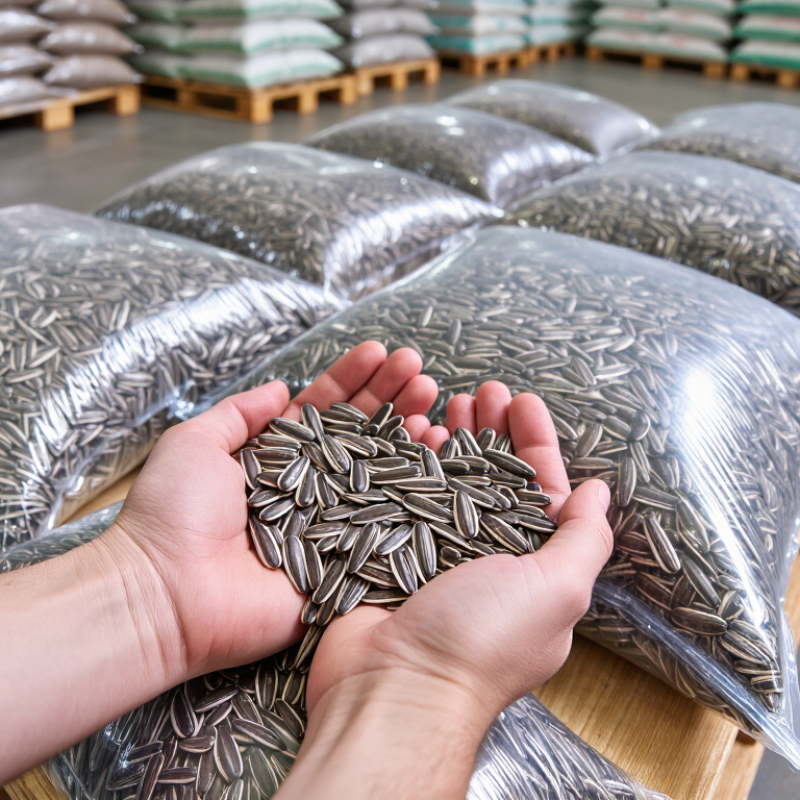
Compare packaging by size, material, and loading method. Ask whether bags have moisture-resistant liners, how they are palletized, and how much product fits safely in a container. Request photos or a sample specification sheet. A low price per ton may look less attractive if weak packaging leads to torn bags or extra handling. I still find this easy to overlook.
Storage controls deserve equal attention. Sunflower seeds contain oil, so excess heat, moisture, and strong nearby odors can affect quality. Ask how the facility monitors temperature and humidity, prevents pests, rotates stock, and records lot numbers. Find out whether shipment documents connect each lot to its packing date. A written procedure is useful, but ask for a recent example of the records. Even careful checks can miss a small detail.
Evaluate Samples, Contracts, and Pricing Against Measurable Quality Specifications
When comparing bulk sunflower seed manufacturers, request samples from the same grade and harvest period you plan to buy. Check kernel size, color, odor, broken-seed percentage, and visible foreign material. Use a scale and sieve where practical, and record each result. Small differences matter. Set acceptable ranges around your product’s needs rather than relying on vague terms such as “premium quality.” A sample can look excellent, yet perform differently after storage, so ask how it was handled.
Tip: Put measurable specifications in the contract. Define moisture limits, defect tolerances, packaging, inspection timing, and the sampling method. State what happens if a shipment falls outside those limits, including replacement or price adjustment options. Keep a sealed reference sample from approval. It is a simple safeguard, though not a perfect one.
Compare quotes on delivered cost per usable kilogram, not just the listed price per ton. Include freight, packaging, expected cleaning loss, and payment terms. Ask suppliers to explain unusual price gaps with written details. Keep records. I once focused too much on the lowest quote; the final comparison was less clear than it should have been. Recheck specifications and sample results before placing a large order, and confirm that production lots will match the agreed reference.