
7 Tips for Buying Stainless Steel Hollow Bar

Choosing Stainless Steel Hollow Bar is not just a matter of selecting a grade and placing an order. The right choice depends on how the material will be machined, loaded, finished, and exposed to its working environment. A bar intended for a precision-machined component may need different dimensional tolerances from one used for a structural assembly. Small details matter.

Before comparing prices, clarify the required outside diameter, bore, length, grade, and surface condition. Ask how dimensions are measured and what inspection documents are available. Material test certificates can help verify composition and mechanical properties, but buyers should check that the paperwork matches the supplied heat or batch. A polished surface may look impressive, yet it does not prove that the internal bore is consistent. That distinction is easy to overlook.

These seven tips offer a practical framework for evaluating specifications, suppliers, quality checks, and total cost. They also encourage careful questions about manufacturing methods, tolerances, lead times, and packaging. Even experienced purchasers can miss a requirement when project drawings change or details remain unclear. That deserves a second look. Use the guidance as a starting point, then confirm critical requirements with your engineering team and supplier before committing. Clear specifications reduce avoidable surprises and make comparisons more meaningful.
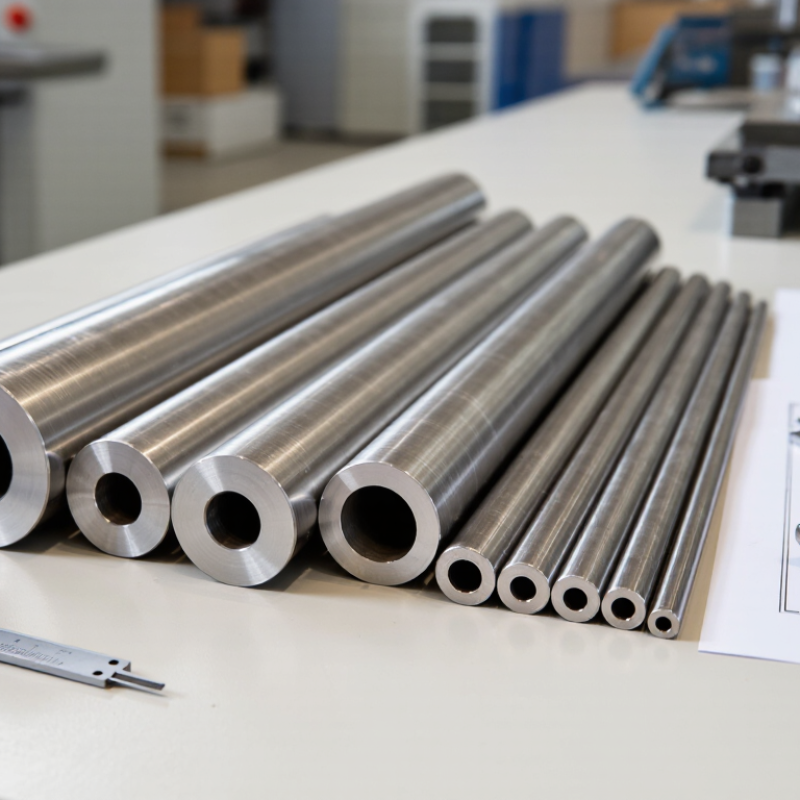
7 Tips for Buying Stainless Steel Hollow Bar

Understanding Stainless Steel Hollow Bar Grades and Properties

Stainless hollow bar grades differ in chemistry, corrosion resistance, and performance after machining. Grade 304 typically contains about 18% chromium and 8% nickel. Grade 316 also contains molybdenum, commonly around 2–3%, which improves resistance to chloride-related pitting. It is not immune to corrosion. Salt deposits can still attack it, especially in crevices or stagnant water. The World Stainless report Stainless Steel in Figures 2024 records 58.4 million tonnes of global stainless steel production in 2023, but volume alone says little about which grade suits a component.

Tip: Match the grade to the service environment, not just the price. For coastal equipment or frequent salt exposure, compare 316 with 304 and check the supplier’s chemistry certificate. For general indoor use, 304 may be adequate. Confirm the applicable product specification too: ASTM A511/A511M covers seamless stainless steel mechanical tubing, but requirements depend on product form and use. Small details matter. Verify outer diameter, bore size, wall thickness, and straightness before ordering; a tight bore tolerance can save costly rework.

A common oversight is assuming “stainless” means maintenance-free. It does not. Ask for the mill test report, heat-treatment condition, and traceable grade designation. Inspect a freshly cut end for clear, consistent material, but do not use appearance as proof of composition. If the application is critical, request independent testing. A shortcut? Risky.

Stainless Steel Hollow Bar: Comparing Yield Strength by Grade

Indicative minimum yield strength values (MPa) for common stainless steel grades and conditions.

Higher yield strength can support greater loads, but it does not determine suitability on its own. Confirm the product standard, heat-treatment condition, corrosion environment, dimensions, and certified test results before buying. Values are indicative and can vary by governing specification and product form.

Matching Bar Dimensions to Design and Machining Requirements

When selecting stainless steel hollow bar, begin with the finished part, not the stock catalogue. List the required outside diameter, bore, length, and critical tolerances on the drawing. ASTM A484/A484M sets general requirements for stainless bar dimensions, but permitted variation depends on product form and size. Check the applicable tolerance before ordering. A close bore fit may need finishing after rough machining.

Leave enough machining allowance for cleanup without buying excess material. A thick wall can resist clamping, yet it also means more metal to remove. A very thin wall may distort when the tool exits. Measure wall thickness at several points; hollow stock is not always perfectly concentric. That detail matters.

ASM Handbook, Volume 1, reports a representative thermal expansion coefficient near 17 micrometres per metre per degree Celsius for austenitic stainless steel. A 300-millimetre part changing by 20°C can grow roughly 0.10 millimetres, so account for shop temperature when tolerances are tight.

Match dimensions to the cutting plan, too. Specify the bore large enough for the intended boring tool, but avoid an unnecessarily oversized opening that weakens the wall. Confirm stock straightness, length allowance, and whether the supplier’s tolerance applies before or after heat treatment. For corrosion-resistant service, confirm the grade and condition against the design specification. One overlooked point: generous stock can reduce risk, but it can also increase cycle time and scrap. I would recheck the drawing with the machinist before release.

Checking Manufacturing Methods, Tolerances, and Surface Finish

Stainless hollow bar may be hot-pierced or extruded, then cold-drawn, peeled, or machined. Ask for the actual route, not just “seamless.” Cold drawing can improve dimensional control, while machining may leave directional tool marks. The best choice depends on the part’s fit and later processing.

Check outside diameter, inside diameter, wall thickness, straightness, and length against the drawing and the specified product standard. ASTM A511/A511M covers seamless stainless mechanical tubing; confirm it applies to the product you are buying. Measure several points along the bar, since one reading can miss local variation. World Stainless reported 58.4 million tonnes of global stainless steel production in 2023. That scale says little about any single bar’s quality, so request inspection records and a material test certificate.

Specify surface roughness as an Ra value in micrometres, and state where and how it should be measured. A bright surface is not proof of low roughness. Looks can mislead. Ask for photos or a sample if the finish affects sealing, polishing, or appearance. I would still verify the first delivery: written requirements do not always match the finish in hand.

7 Tips for Buying Stainless Steel Hollow Bar — Checking Manufacturing Methods, Tolerances, and Surface Finish

Tip What to Check Example Specification or Check Why It Matters
1. Confirm the manufacturing method Ask whether the hollow bar is produced as a seamless hollow, drilled from solid bar, or made by another process. Request the method on the quotation and material documents. For a drilled example: 60 mm outside diameter, 30 mm bore, machined from solid stock. Confirm that the bore is continuous and suitable for the intended machining allowance. Manufacturing route can affect lead time, available sizes, internal condition, and material yield. Do not assume all hollow bars are made the same way.
2. Specify the exact grade and condition State the stainless steel grade, applicable product specification, and delivery condition. Match the grade to corrosion exposure, temperature, and machining needs. Example: 316L stainless steel, solution-annealed condition, with the applicable standard and edition stated in the purchase order. A grade name alone may not define all required mechanical, chemical, and delivery requirements. The governing specification should be agreed before ordering.
3. Define OD, ID, and length tolerances Give nominal outside diameter (OD), inside diameter (ID), length, and the permitted variation for each. Specify whether dimensions are measured before or after finishing. Illustrative drawing requirement: OD 60.00 ± 0.20 mm; ID 30.00 ± 0.20 mm; cut length 1,000 ± 2 mm. These are example values, not universal standard limits. Clear tolerances prevent disputes and help ensure adequate stock for the final machined part. Agree tighter limits only when the process and cost support them.
4. Check straightness and concentricity needs State any straightness, wall-thickness, or concentricity requirements that matter to the finished component. Identify the inspection method and measurement locations. For a precision-machined component, request a drawing-defined straightness limit and wall-thickness checks at specified cross-sections rather than relying on an unspecified “standard tolerance.” Bar that is within OD and ID limits can still require extra machining if it is bowed or has uneven wall thickness.
5. Set the surface-finish requirement Clarify whether the requirement applies to the outside surface, bore, or both. Specify the finish condition and, where needed, a roughness value and measurement method. Example: as-supplied surface for machining, or a drawing-defined machined finish such as Ra ≤ 3.2 µm on specified surfaces. Confirm the target with the supplier before purchase. “Smooth” is subjective. A measurable finish requirement makes inspection clearer and helps avoid paying for a finish the part does not need.
6. Request traceability and inspection records Ask for material test documentation, heat or lot identification, and dimensional inspection records appropriate to the order. Check that the certificate identifies the grade, heat number, chemical analysis, mechanical test results where applicable, and the specification used. Traceability helps verify supplied material and supports quality investigations or regulatory documentation when required.
7. Agree packaging and incoming inspection Specify protection against handling damage, contamination, and mix-ups. Plan checks for markings, dimensions, surface condition, and documents on receipt. For example: separate and identify each grade and heat; protect the bore and ends; inspect a defined sample or each piece according to the purchase plan. Good packaging and a documented receiving check reduce damage, identification errors, and delays before machining.

Note: Numerical dimensions and finish values above are illustrative purchasing examples. Confirm all tolerances, test requirements, and applicable standards on the approved drawing or purchase order.

Verifying Standards, Testing, and Material Traceability

When buying stainless steel hollow bar, verify the product standard against its intended use, dimensions, and manufacturing route. ASTM A511/A511M covers seamless stainless steel mechanical tubing, but confirm that its scope fits the hollow bar you need. Request an inspection document, such as an EN 10204 Type 3.1 certificate, and check that its heat number matches the bar’s tag. Check the metal. Compare the stated grade and chemical composition with the order, then review mechanical test results and required dimensional checks.

Traceability must connect the physical stock to its test records. Ask how heat numbers are retained if bars are cut, bundled, or relabeled. Look for clear records of chemistry, tensile properties, hardness, and any specified nondestructive testing. A certificate is not magic. It can be genuine yet still refer to another heat, so verify identifiers rather than relying on a neat-looking document. The scale makes this discipline practical, not fussy: worldstainless reported 58.4 million tonnes of global stainless crude steel production in 2023 in its 2024 production figures. That industry total says nothing about an individual bar’s quality; only matched records and suitable inspection can support that claim.

Comparing Suppliers, Lead Times, and Total Purchase Costs

When comparing suppliers, request quotations against the same hollow bar specification. Include alloy grade, outside diameter, inside diameter, length, and acceptable tolerances. A low unit price can hide extra cutting, inspection, or packaging charges. Ask whether material is in stock or needs mill production. That changes the schedule. Get a realistic dispatch date, not just an estimated production time, and confirm how holidays or order changes affect it. Request material test certificates and clarify whether inspection documents are included. These details make quotes easier to compare.

Calculate total purchase cost per usable bar, including freight, minimum-order fees, and any machining or cutting. For example, a supplier may offer a cheaper long bar, but your shop could pay more to cut it accurately and handle the leftover material. Check whether delivery is bundled or charged separately, especially for heavy shipments. Ask how the supplier protects bar ends and surfaces; dents can create avoidable rework. Compare payment terms and quote validity, too. A quote that expires quickly may be difficult to use for a planned project. One detail buyers sometimes miss is tolerance variation: even compliant material can produce more waste than expected. Ask for the tolerance range in writing, then compare it with your actual machining allowance.

Back To Top