Top 5 Tips for Choosing Interlocking Floor Tiles for Your Project?
When considering flooring options, interlocking floor tiles present a versatile and practical choice. They come in various materials, colors, and textures. This diversity caters to different design preferences and functional needs. However, selecting the right interlocking floor tiles for your project can be challenging.
It’s essential to understand the specific requirements of your space. Not all interlocking floor tiles are created equal. Some may suit high-traffic areas better, while others might be ideal for a more decorative approach. Assessing durability, maintenance, and installation ease is crucial. Misjudging these factors can lead to regrets later on.
Engaging with reliable sources or expert opinions can enhance your decision-making process. Trustworthy reviews and firsthand experiences provide valuable insights. Exploring such resources helps you avoid common pitfalls and reflects a commitment to quality design. Ultimately, choosing the right interlocking floor tiles can elevate your project and create a lasting impression.

Understanding the Different Types of Interlocking Floor Tiles Available
Interlocking floor tiles offer a versatile solution for various projects. Understanding the different types available will help you make a wise choice. These tiles come in plastic, rubber, and vinyl. Each material offers distinct benefits and unique applications. For example, rubber tiles are ideal for gym environments, while vinyl tiles suit areas needing water resistance.
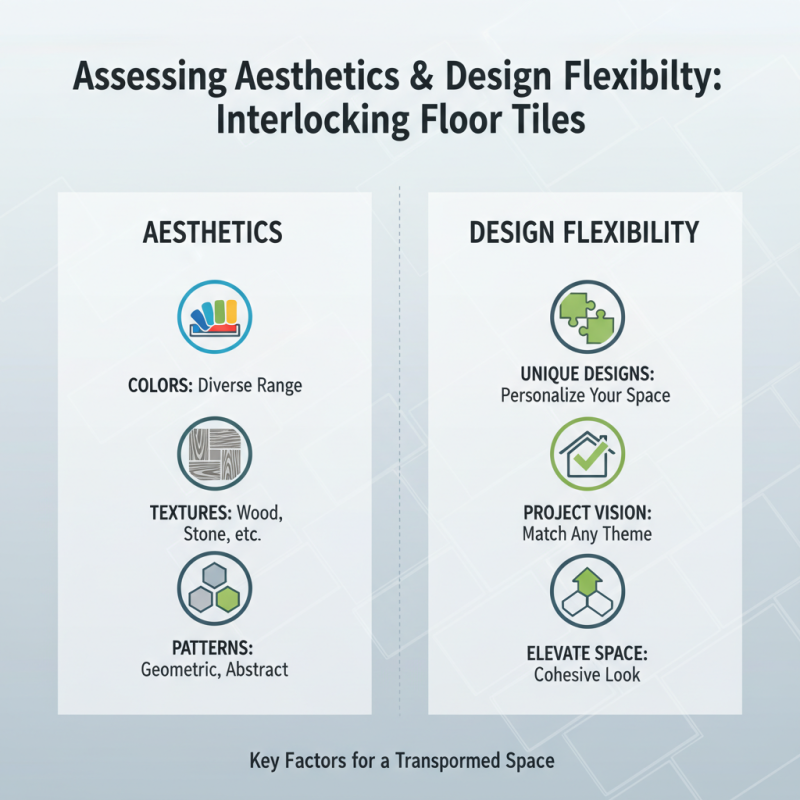
When selecting interlocking tiles, consider the environment. Indoor and outdoor spaces differ in material performance. For damp areas, opt for tiles that are durable and mold-resistant. Color and design also matter. Choose a style that complements your overall aesthetic.
One key tip is to think about maintenance. Some tiles require more care than others. Research how to clean and maintain your selected tile type before committing. Another aspect to think about is the installation process. Some tiles are more straightforward to install, saving time and effort. Remember that not all tiles are equal, so weigh your options carefully.
Evaluating Durability and Maintenance Requirements for Flooring Options
When choosing interlocking floor tiles, durability is a key factor. These tiles should withstand daily wear and tear, especially in high-traffic areas. Assess the material's resistance to scratches, stains, and moisture. Tiles made from high-quality vinyl or ceramic often offer excellent durability. However, remember that some options may chip or fade over time, requiring reflection on your specific environment before making a choice.
Maintenance should also be a central concern. Easy-to-clean surfaces can save you time and effort in the long run. Opt for tiles that resist dirt buildup; those with textured surfaces may require more frequent cleaning. Think about how much effort you're willing to put into upkeep. Regular maintenance can prolong the life of your flooring, making your initial investment more valuable. Balancing durability with ease of maintenance will ensure a satisfying outcome in your flooring project.
Analyzing Cost-Effectiveness and Budget Considerations for Your Project
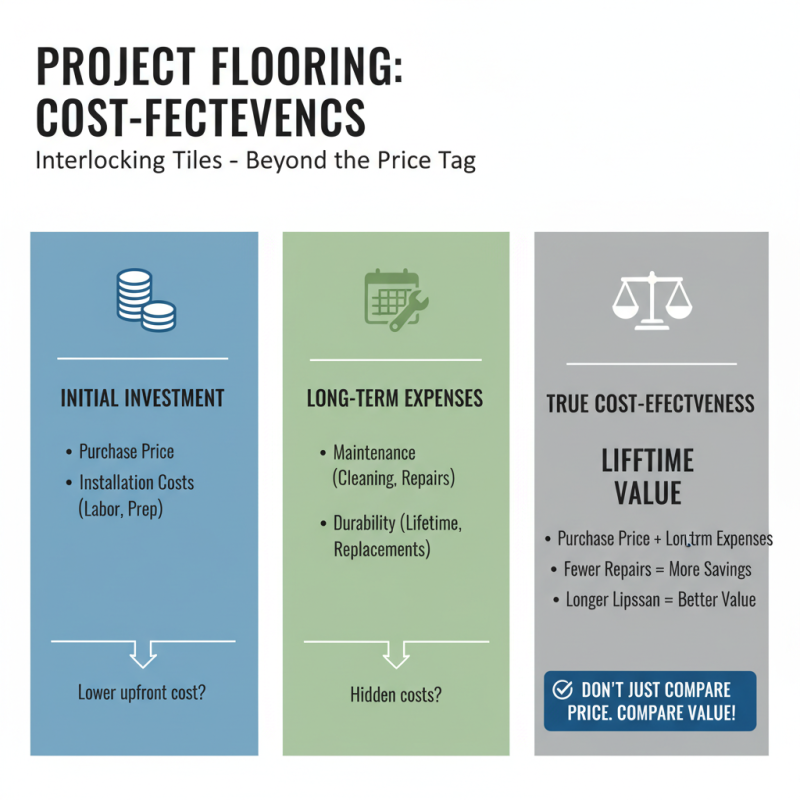
When choosing interlocking floor tiles, cost-effectiveness is crucial. You need to assess both initial investment and long-term expenses. This means considering installation costs, maintenance, and durability. Some tiles may seem cheap upfront but could incur higher costs due to repairs or replacements. Always compare the lifetime value, not just the purchase price.
Budget considerations are essential in planning your project. Set a clear budget that includes all costs, such as labor, materials, and potential overruns. It's wise to leave a buffer for unexpected expenses. Research pricing from various suppliers to find options that fit your budget without sacrificing quality. Remember, spending a bit more could save you money in the long run, especially with high-traffic areas.
Engage professionals for their insights. Their experience can highlight potential pitfalls. However, do not blindly accept their recommendations. Analyze their advice against your budget scenario. Reflect on your unique needs. Every project has its challenges, and adapting your choices is vital for success. Avoid rushing the decision; take time to explore all options thoroughly.
Investigating Installation Processes and Timeframes for Interlocking Tiles
When considering interlocking floor tiles, understanding the installation processes and timeframes is crucial. Most projects see completion within 1-3 days, depending on the space's size and complexity. Industry data suggests that professional installations can take longer, averaging around one week for larger areas. However, skilled DIYers may reduce this timeframe significantly.
Preparation plays a key role in installation efficiency. Clear the area of furniture and debris. Ensure the subfloor is clean and dry to prevent future issues. Regularly, improper subfloor conditions lead to delays. According to reports, approximately 30% of DIY projects face setbacks due to overlooked preparation. Utilizing proper tools and following manufacturer guidelines can further streamline the process.
Moreover, while interlocking tiles are relatively straightforward to install, challenges can arise. Discrepancies in tile thickness or uneven surfaces may require additional adjustments. In professional settings, experts often allocate extra time for these unexpected issues, acknowledging that flexibility is vital. Time management is essential, and being prepared for these potential pitfalls can lead to a smoother project.
Top 5 Tips for Choosing Interlocking Floor Tiles for Your Project
| Tip |
Description |
Installation Time (Estimated) |
Maintenance Required |
| 1. Choose the Right Material |
Consider durability and resistance to moisture and stains. |
1-2 Days |
Low |
| 2. Check Interlocking Mechanism |
Ensure the tiles interlock easily for a seamless finish. |
1 Day |
Moderate |
| 3. Calculate the Area Needed |
Measure the space accurately to avoid shortages during installation. |
1 Day |
Low |
| 4. Plan for Underlayment |
Use an underlayment for added support and insulation. |
1 Day |
High |
| 5. Consider Aesthetic Appeal |
Choose colors and patterns that complement your space. |
Varies |
Low |