Essential Tips for Choosing Reflective Workwear Safely
When selecting reflective workwear, safety is paramount. This type of clothing plays a crucial role in ensuring visibility in low-light conditions. Workers in construction, road maintenance, or any outdoor job need protective gear that stands out. Reflective workwear is often the line between safety and danger.
Consider the fabric and quality of the materials. High-quality reflective workwear can withstand harsh conditions. Poorly made gear may not provide the necessary visibility. Look for materials that offer breathability and durability. It's essential for comfort during long hours on the job. However, not all reflective clothing is created equal.
Choosing the right sizes and fits is also critical. Ill-fitting workwear can hinder movement and reduce safety. Always try before you buy. Reflective workwear should be an investment, but it can also be a frustrating choice. Take the time to evaluate your needs. Ultimately, reflective workwear is more than just attire; it’s about staying safe and visible.
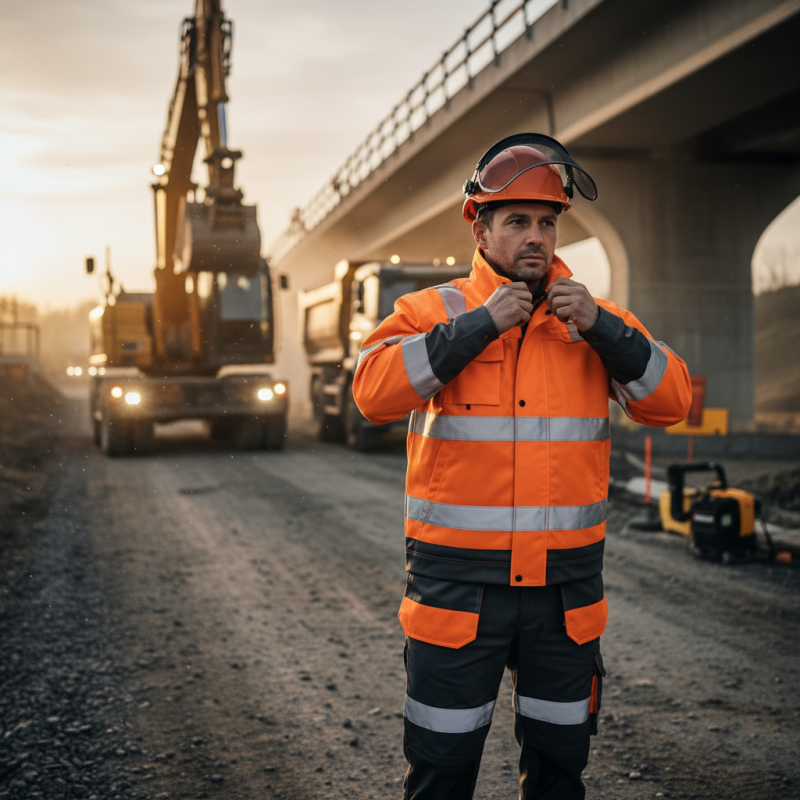
Factors to Consider When Selecting Reflective Workwear Materials
Choosing the right reflective workwear is crucial for safety. One major factor to consider is the material. Look for fabrics that are durable, yet comfortable. Lightweight options are ideal for warmer days. However, they may not provide the same protection as heavier materials. This can be a dilemma for many professionals in various fields.
Reflective properties should be carefully examined as well. The brightness and coverage of reflective strips can significantly affect visibility. In low-light conditions, high reflectivity is a lifesaver. Yet, quality often varies between products, and some may even fade after washing. This is a common issue that users encounter.
Think about the environment where the workwear will be used. Different jobs present unique challenges. For instance, construction sites have specific needs compared to outdoor events. Each situation requires a tailored approach. It’s essential to balance comfort, durability, and visibility. Choices may not always be straightforward, but thoughtful selection can make a difference in overall safety.
Understanding the Importance of ANSI Standards for Visibility in Workwear
When selecting reflective workwear, understanding ANSI standards is crucial. ANSI, or the American National Standards Institute, sets guidelines for visibility. These standards define how much reflective material is needed based on the work environment. For example, a construction worker on a busy highway requires more visibility than someone in a warehouse.
Many overlook the color and placement of reflective materials. High-visibility colors like neon yellow or orange are essential. But it’s not just about brightness. The placement of these materials can affect awareness. Wearing reflective strips on arms and legs can help others notice movement. It's easy to think one set of workwear will fit all needs, but this isn’t true.
It’s important to reflect on your work environment. Are you exposed to traffic or low light? The answer should guide your choice. Also, consider the fit and comfort of the workwear. Too loose or tight can reduce effectiveness. Ultimately, choosing the right reflective clothing goes beyond mere compliance; it ensures a safer work environment.
Evaluating the Level of Reflectivity Required for Specific Work Environments
When choosing reflective workwear, evaluating the level of reflectivity is crucial. Different work environments demand different levels of visibility. Construction sites, for instance, often use high-visibility clothing. Here, bright colors and strong reflectivity are vital. Workers need to be seen, especially in dim light or poor weather.
In contrast, outdoor fields may require less intense reflectivity. An emergency responder may work in areas with more natural light, where subtle reflectivity suffices. Assess what's common in your area. Consider the time of day and weather conditions. Is your workplace often shadowed or brightly lit? Each detail matters.
Some reflective materials can wear down over time. After frequent use, they may lose their effectiveness. This can lead to dangerous situations. Inspect your gear regularly. Think about how often you work in high-risk zones. Be proactive in ensuring safety measures. Remember, visibility reduces accidents. Take this seriously; it could protect lives.
Reflectivity Levels for Different Work Environments
Assessing Comfort and Fit for Enhanced Safety in Reflective Workwear
Choosing the right reflective workwear goes beyond just visibility. Comfort and fit play crucial roles in your safety. Ill-fitting clothing can restrict movement and distract workers. This distraction can lead to accidents. Consider the fabric; it should provide breathability and flexibility. If the material is too rigid, it may not allow for a full range of motion.
Try on several sizes and styles. Pay attention to where the seams fall. They should not rub against your skin. Loose clothing can catch on machinery, while overly tight clothes can chafe. Look for adjustments such as adjustable straps or elastic materials. These features can enhance comfort significantly. Check how the workwear fits under varying conditions, too.
Reflective workwear should be durable yet comfortable. It should withstand the rigors of daily tasks without compromising safety. Test the range of motion; lifting arms and bending should feel natural. Remember, comfort is not just about feeling good. It impacts your focus and, ultimately, your safety on the job. Make thoughtful choices. Trust your instincts about what feels best.
Maintaining and Caring for Reflective Workwear for Longevity and Effectiveness
Maintaining reflective workwear is crucial for safety and effectiveness. Regular care ensures visibility and durability. According to a report from the Occupational Safety and Health Administration, reflective gear can reduce accident rates by 40%. Yet, many workers neglect proper maintenance, risking their safety.
To extend the lifespan of your reflective workwear, consider these tips. Always follow the manufacturer's washing instructions. Generally, machine washing is acceptable, but avoid bleach and fabric softeners. These can degrade reflective materials. Inspect your gear often. Look for frayed edges or fading. If the reflective strips appear worn, they need replacement.
Store your workwear in a cool, dry place. Avoid direct sunlight, which can cause colors to fade. If you notice dirt or stains, clean them promptly. Delaying care can lead to permanent damage. Simple maintenance tasks can save you money over time. An ill-maintained jacket might not provide the visibility you expect. Regular attention to your gear ensures its effectiveness is retained, creating a safer work environment.