
7 Tips for Choosing the Best Patella Strap?

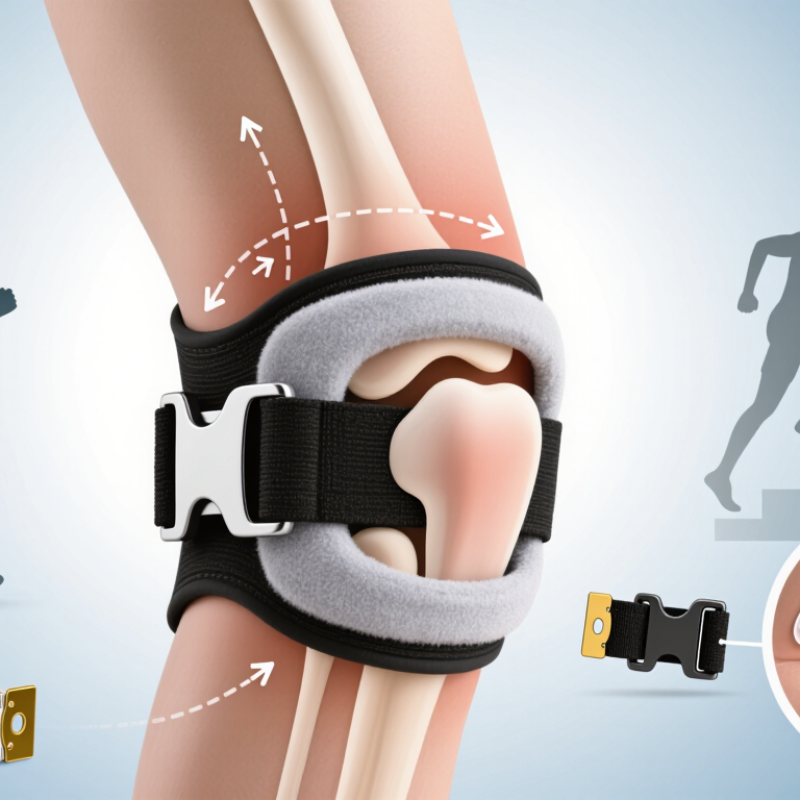
A Patella Strap can look simple: a narrow band, a buckle, and a small pad beneath the kneecap. Yet the right choice depends on more than appearance. Fit, pressure, material, and movement all affect whether it feels secure during a walk, workout, or day on your feet. Small details matter.

Patellofemoral biomechanics researcher Dr. Christopher Powers studies how the kneecap moves and how forces affect the joint. An editorial paraphrase of a principle consistent with his research is: “Support should complement movement, not force the knee into one.” This is not a direct quotation. It offers a useful lens for comparing straps, while individual pain and treatment needs still deserve professional assessment.

The seven tips ahead focus on practical checks: measure carefully, compare adjustable designs, inspect the pad, and look for breathable materials. Then consider how the strap behaves when you bend your knee, climb stairs, or pick up your pace. Fit comes first. A strap that slips, pinches, or leaves your skin irritated is unlikely to suit your routine, even if its product description sounds impressive. No strap fits everyone. These points can help you ask better questions and choose with realistic expectations—not treat a strap as a guaranteed fix.
7 Tips for Choosing the Best Patella Strap?

Assess Your Knee Pain and Activity Needs

Before choosing a patella strap, notice where your knee hurts and when the discomfort starts. Is it just below the kneecap, or does it spread around the joint? Pain during stairs, squats, or running may have different causes, so location alone cannot identify the problem. Keep a simple note for a few days.

Match the strap to the activity that bothers you. A runner might test it during a short, easy jog, while someone who feels discomfort on stairs can try it during ordinary daily movement. Start with a brief trial. Check whether the strap stays in place and feels snug, not tight. Numbness, tingling, skin irritation, or worsening pain are reasons to remove it.

Pay attention to what changes. Does the strap make movement more comfortable, or does it merely make you feel supported? That distinction matters. A strap is not a diagnosis, and it may not address the cause of knee pain. I’d be cautious about relying on one just to push through symptoms; it is tempting, but it can obscure how your knee is responding. If pain is severe, follows an injury, or persists despite reducing aggravating activity, seek advice from a qualified health professional.

7 Tips for Choosing the Best Patella Strap? - Assess Your Knee Pain and Activity Needs

Tip What to Assess What to Look For Practical Check
1. Identify where your knee hurts A patella strap is commonly used for discomfort around the patellar tendon, just below the kneecap. Knee pain can have many causes, and a strap may not suit every one. Choose a strap intended to sit below the kneecap and apply gentle pressure over the tendon area. If pain is severe, persistent, follows an injury, or comes with marked swelling or difficulty bearing weight, seek advice from a healthcare professional.
2. Match the strap to your activity Consider whether symptoms occur during running, jumping, court sports, walking, or everyday tasks. A low-profile, adjustable design may be more practical for movement-intensive activities. For general daily use, prioritize comfort and ease of adjustment. Try it during a short, low-intensity version of the activity before wearing it for a full session.
3. Check the fit and sizing Straps vary in shape and sizing method; some are one-size designs, while others require a measurement. Use the product’s measurement instructions rather than assuming your usual clothing or brace size will apply. The strap should feel secure without causing numbness, tingling, skin discoloration, or increased pain.
4. Consider adjustability Your knee size and comfort may change with movement, clothing, or swelling. A simple adjustable closure can help you fine-tune pressure and remove the strap easily. Check that the closure stays secure during bending and does not need repeated tightening.
5. Choose comfortable materials Think about how long you will wear the strap and whether your skin is sensitive to pressure or friction. Look for smooth edges, a comfortable contact surface, and materials that are easy to clean according to the care instructions. Inspect the skin after the first use. Stop wearing the strap if it causes persistent irritation or a pressure injury.
6. Test movement, not just standing comfort A strap that feels fine while standing may shift or pinch when you bend your knee. It should remain positioned below the kneecap and allow comfortable knee bending. With the strap fitted, try a few gentle bends and steps. Reposition or remove it if it slips, restricts movement, or worsens symptoms.
7. Use it as support, not a substitute for care A strap may offer symptom support during activity, but it does not identify or treat the underlying cause of knee pain. Choose a product that can be removed easily and follow its use and care instructions. Reassess symptoms over time. If pain persists, worsens, or limits normal activity, consult a qualified healthcare professional.

Note: A patella strap is not appropriate for every type of knee pain. Fit and comfort matter, and individual results can vary.

Compare Patella Strap Designs and Materials

Patella straps vary in shape, fastening, and fabric, so compare how each feels during movement. A narrow single strap sits just below the kneecap and is easy to adjust. It may suit someone who wants a low-profile option for walking or court sports. Wider or dual-strap designs can spread contact across a larger area, but may feel bulky under close-fitting clothing. More support is not always more comfortable.

Material changes the experience. Neoprene often feels soft and warm, which some people prefer in cool conditions. It can also hold heat and sweat during a long workout. Breathable knit fabrics may feel lighter, though they can offer less adjustment if the fit is fixed. Silicone strips can help limit slipping, but sensitive skin may dislike the texture. Small details matter: check the seams, hook-and-loop closure, and whether the strap stays in place when you bend your knee.

Fit should feel secure, not constricting. Try the strap while standing, then walk and bend your knee; watch for pinching, numbness, or skin irritation. These supports may ease discomfort for some activities, but they do not identify or treat its cause. If pain persists or worsens, seek advice from a qualified health professional. A design that works for one person may disappoint another.

7 Tips for Choosing the Best Patella Strap? — Compare Patella Strap Designs and Materials

Typical Moisture Regain of Common Textile Fibers

Typical moisture-regain values at standard textile test conditions (about 21°C and 65% relative humidity) are shown. Polyester absorbs less moisture than nylon or cotton, but a finished patella strap’s comfort and drying time also depend on its knit, lining, padding, and fit. Strap materials may be blends, so check the product label.

Check Fit, Adjustability, and Comfort

A patella strap should sit just below the kneecap, where its cushion or band can apply gentle, focused pressure. Check the size guide and measure your leg as directed; guessing from clothing size can lead to slipping or pinching. It should feel snug, not tight. Walk a few steps, bend your knee, and sit down. If the strap rolls, digs into your skin, or shifts noticeably, the fit may be wrong. A secure feeling is not always a good fit.

Look for adjustable closures that are easy to tighten and release, even when your hands are sweaty. Make small changes rather than pulling the strap as tight as possible. Comfort matters during real movement: try it under the clothes you usually wear for exercise, and check for rubbing after several minutes. Seams and bulky fasteners can become irritating. A little pressure is expected; numbness, tingling, or worsening pain is not a cue to tighten it further. Remove the strap and seek qualified medical advice if these symptoms persist. Fit can also change with swelling, so reassess it instead of assuming yesterday’s setting still works.

Evaluate Support, Durability, and Ease of Care

A good patella strap should feel snug below the kneecap, not tight enough to cause tingling, numbness, or skin marks. Check that its pressure pad sits securely over the patellar tendon during a squat and a short walk. Support is personal. A strap may ease discomfort, but it does not identify the cause of knee pain. A 2015 Cochrane review of knee orthoses included five trials and 368 participants; it found low-quality evidence that adding orthoses to exercise meaningfully improved patellofemoral pain. The review covered several orthosis types, not straps alone, so treat its findings as context—not a verdict on every strap.

Tips: Compare adjustable closures, smooth seams, and breathable fabric against your skin. Ask for abrasion-test results, such as testing using ASTM D4966, which evaluates textile wear. Check whether the maker reports test cycles; a vague “durable” claim tells you little. For care, read the washing label before buying. Cold washing and air-drying are often gentler on elastic than heat, but follow the product’s specific instructions. Small detail, big difference.

A strap that shifts when you climb stairs may need repositioning or a different size. Recheck the fit after movement, and inspect stitching and elastic for fraying or loss of tension. Hand-washing can be inconvenient. Still, it may help preserve the fit when the care label recommends it. If pain persists or worsens, seek assessment from a qualified health professional rather than relying on tighter compression.

Consider Safety and Professional Guidance

Choosing a patella strap should begin with safety, not appearance. If knee pain is new, severe, or follows an injury, seek advice from a qualified healthcare professional before relying on a strap. A clinician or physical therapist can assess your symptoms and help determine whether a strap is suitable. Knee pain has different causes, and a strap cannot identify or treat them all.

Tip 1: Check the fit while seated and standing. The strap should feel secure beneath the kneecap, without pinching, numbness, tingling, or changes in skin color. Remove it if discomfort increases. A snug fit is not the same as a tight fit.

Tip 2: Ask a professional to review placement and use, especially if you have ongoing pain or a medical condition. Follow the strap’s care instructions, and check your skin after wearing it. A red mark that fades quickly may be harmless, but persistent irritation deserves attention. It can be tempting to keep adjusting the strap until movement feels easier; that may not solve the underlying problem. Track when symptoms appear, such as during stairs or a short walk, and share those details with your clinician.

Back To Top