
Colorful Eyeshadow is moving from seasonal novelty toward everyday creative expression. Buyers now compare pigment, blendability, ingredient transparency, packaging, and shade versatility before placing orders. McKinsey’s 2023 beauty market report projects the global beauty industry could reach approximately $580 billion by 2027. Makeup remains an important growth engine within that expansion. Circana also reported resilient makeup demand in the United States, especially for products supporting self-expression and visible color.
The opportunity is attractive, but it is not simple. A bright blue pan may look impressive online, yet perform unevenly on deeper skin tones. A glitter formula may sparkle under studio lights, then create fallout during real wear. That gap matters. Professional makeup artist and beauty founder Pat McGrath has said, “Makeup is a powerful way to reveal something unique about yourself.” Her view reflects the modern buyer’s expectation: color should support identity, not hide it.
This guide examines ten Colorful Eyeshadow types for global buyers, including palettes, singles, creams, liquid shadows, duochromes, and pressed glitters. Each type brings different advantages for retailers, artists, and everyday users. We consider color payoff, texture, shelf stability, application speed, and practical merchandising details. These factors are especially relevant across humid, dry, and temperate markets.
No ranking can fit every customer. That is worth admitting. Regional preferences, local beauty habits, and regulatory requirements can change purchasing decisions. Some products also photograph better than they wear. The strongest buying strategy combines reliable testing, honest claims, and feedback from real users. That approach may sound less exciting, but it usually produces better long-term results.
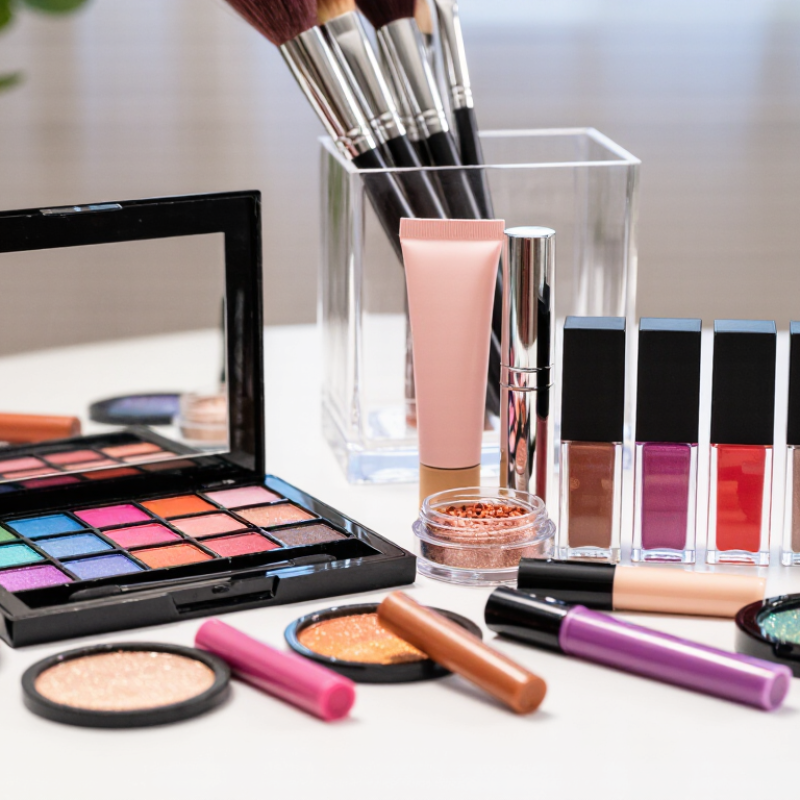
Colorful eyeshadow is defined by visible chromatic energy, not simply by brightness. It may include blue, violet, green, coral, yellow, or layered combinations. The essential feature is a noticeable hue that changes the appearance of the eyelid.
Pigment matters. Saturation shows how strong the color appears, while opacity controls how much skin remains visible. A vivid formula may need one swipe, but a sheer formula can create a softer wash. Texture matters too. Matte finishes look dense and modern, while shimmer and metallic finishes reflect light across the lid. Fine particles usually create a smoother effect than large glitter pieces.
In practical testing, I check color payoff over both bare skin and primer. This reveals whether the shade applies evenly or becomes patchy. Blendability is equally important. A strong color should soften at the edges without turning gray or muddy. Buildable formulas help buyers control intensity, especially when working with deeper or varied skin tones. Wear resistance also matters in humid climates, where creasing can appear quickly.
A shade can look perfect online and disappoint in daylight. I have found that screen brightness often exaggerates saturation. Reliable product information should explain undertones, finish, texture, and expected payoff. Clear ingredient labeling and responsible usage guidance support informed purchasing. Some colorful shadows need patience, especially highly saturated shades. That is not always a flaw, but it should be stated honestly.
| No. | Colorful Eyeshadow Type | Typical Color Direction | Defining Visual Characteristic | Common Finish or Texture | Core Buyer Considerations | Best Use Cases | Application and Removal Notes |
|---|---|---|---|---|---|---|---|
| 1 | Rainbow Palette | Multiple hues across the visible color spectrum | Offers several contrasting or coordinated shades in one assortment | Usually a combination of matte, shimmer, and metallic pans | Shade variety, color balance, pan size, blendability, and the inclusion of transition shades | Creative looks, editorial makeup, tutorials, festivals, and makeup education | Use one color at a time for simple looks or layer neighboring hues for gradients; colorful pigments may need thorough cleansing |
| 2 | Neon Eyeshadow | Highly saturated fluorescent pink, orange, yellow, green, or blue | Intense brightness that appears especially vivid under strong lighting | Often matte or satin; some formulas use fluorescent colorants | Opacity, staining potential, compliance with local cosmetic regulations, and performance over a suitable base | Festival makeup, stage looks, photography, nightlife, and graphic eye designs | A white or light-toned base can improve visible brightness; remove gently and follow the product’s usage guidance |
| 3 | Pastel Eyeshadow | Soft lavender, mint, baby blue, peach, butter yellow, and pale pink | Light, muted color with a gentle and airy appearance | Matte, satin, or soft shimmer | Buildable pigmentation, smooth application, compatibility with different skin tones, and resistance to patchiness | Soft everyday looks, spring collections, bridal-inspired styles, and low-contrast makeup | A light eye base can help pale shades remain visible; build in thin layers rather than applying heavy amounts at once |
| 4 | Jewel-Tone Eyeshadow | Emerald, sapphire, amethyst, ruby, turquoise, and deep teal | Rich, saturated shades inspired by gemstones | Frequently available in matte, satin, metallic, or shimmer textures | Color payoff, blendability, fallout control, and whether the depth of color suits the intended market | Evening makeup, festive collections, autumn and winter themes, and dramatic eye looks | Apply deeper shades gradually; use an eyeshadow primer to support adhesion and improve color intensity |
| 5 | Metallic Eyeshadow | Metallic gold, silver, bronze, copper, blue, green, or violet | Reflective surface that creates a polished, foil-like appearance | Metallic, foil, or high-shine pressed powder and cream formulas | Reflectivity, texture smoothness, creasing behavior, transfer resistance, and application method | Accent shades, cut-crease looks, evening makeup, holiday collections, and high-impact highlights | Apply with a fingertip or flat brush for stronger payoff; allow cream formulas to set when required |
| 6 | Glitter Eyeshadow | Transparent or colored bases with visible glitter particles | Contains reflective particles that produce sparkle and multidimensional light effects | Loose glitter, pressed glitter, glitter gel, or glitter-infused cream | Particle size, adhesion, fallout control, eye-area suitability, and local labeling requirements | Special occasions, festival makeup, party looks, and decorative eye accents | Use a product-appropriate adhesive or base when recommended; avoid applying loose particles where they may enter the eye |
| 7 | Duochrome Eyeshadow | Two noticeable color impressions, such as green-to-gold or blue-to-purple | Reflects a secondary hue as the viewing angle or lighting changes | Shimmer, metallic, or reflective pressed-powder texture | Shift visibility, particle smoothness, base color, and consistency under different lighting conditions | Layering over matte shadows, statement lids, creative makeup, and multidimensional accents | A dark or contrasting base can change the final appearance; pat onto the lid to preserve reflective particles |
| 8 | Bright Matte Eyeshadow | Flat, saturated pink, red, orange, purple, blue, or green | Strong color with little or no visible light reflection | Matte pressed powder or cream-to-powder texture | Blendability, color build-up, patch resistance, fallout, and the behavior of red or highly pigmented shades | Graphic liner effects, colorful crease work, monochromatic looks, and bold everyday styling | Use small amounts and blend edges progressively; a primer can improve evenness and longevity |
| 9 | Shimmer Eyeshadow | Colored bases with fine reflective particles in pink, blue, green, bronze, or violet | Produces a soft-to-medium glow without the larger sparkle of glitter | Fine shimmer, satin, or luminous pressed powder | Particle fineness, fallout, buildable intensity, crease resistance, and compatibility with matte shades | Everyday colorful looks, inner-corner accents, lid shades, and blended transition effects | Layer gradually for adjustable intensity; a dampened brush may increase shine when the formula allows it |
| 10 | Color-Shifting Eyeshadow | Multi-angle shifts such as teal-to-purple, pink-to-gold, or green-to-blue | Shows several color reflections depending on lighting, angle, and base shade | Multichrome, reflective shimmer, or specialty pressed-powder texture | Shift strength, lighting dependence, smoothness, adhesion, and the effect of different underlying bases | Artistic makeup, collector-oriented palettes, photography, and statement eye designs | Press rather than rub onto the eyelid; a coordinated base shade can emphasize the dominant reflected color |