Top 10 EU Market Compliant Bedding Suppliers?
Choosing EU Market Compliant Bedding suppliers requires more than comparing prices, colors, and delivery times. European buyers must examine material composition, chemical safety, labeling accuracy, traceability, and documentation. The European Commission’s EU Strategy for Sustainable and Circular Textiles identifies durability, repairability, recycled content, and supply-chain transparency as major priorities. These priorities now affect mattresses, duvets, pillows, sheets, and hotel bedding.
Market evidence supports this stricter approach. Textile Exchange’s Materials Market Report 2024 recorded approximately 132 million tonnes of global fiber production in 2023. Production could reach 160 million tonnes by 2030. The European Environment Agency also reports that textile consumption creates significant environmental pressure through raw materials, manufacturing, transport, and disposal. Bedding is not exempt. Its size, filling materials, coatings, and frequent washing create practical compliance challenges.
Dr. Kai Nebel, a circular-textiles researcher at Reutlingen University, emphasizes a useful principle: “Circularity must be designed into products, not added later.” His point applies directly to supplier selection. A compliant supplier should provide test reports, fiber percentages, care instructions, origin records, and consistent batch quality. OEKO-TEX certification can support chemical-risk evaluation, but it should not replace legal due diligence. Supplier websites can look impressive. Documentation may still be incomplete.
This guide reviews ten bedding suppliers serving European buyers. It considers product safety, traceability, material transparency, certifications, production capability, and communication quality. No ranking is flawless. Requirements can vary by product and country. Buyers should verify current evidence before placing large orders.
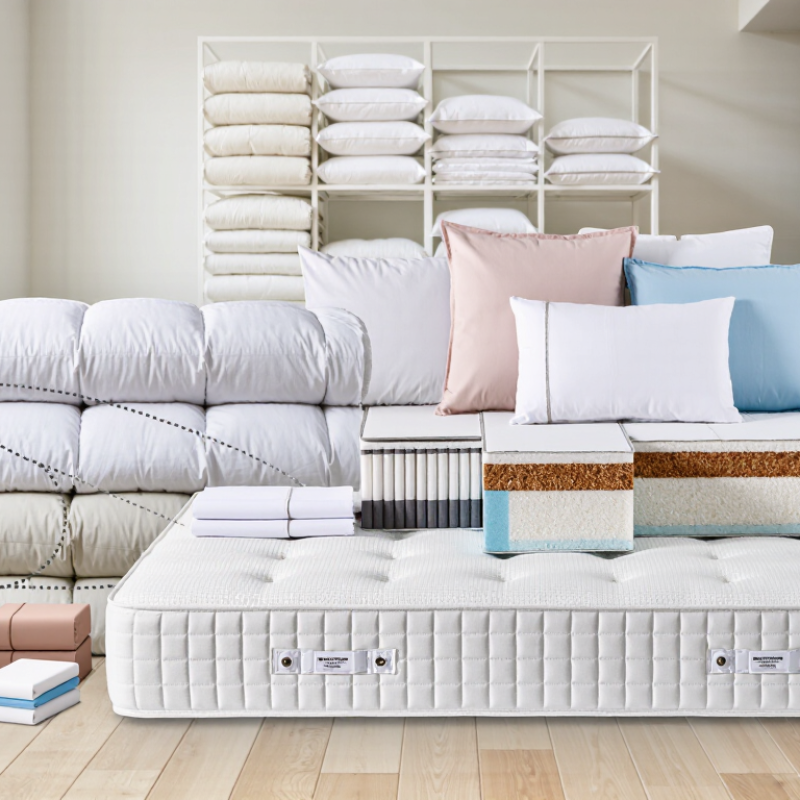
What Makes a Bedding Supplier Compliant with EU Market Requirements?
Top 10 EU Market Compliant Bedding Suppliers?
What Makes a Bedding Supplier Compliant with EU Market Requirements?
A compliant bedding supplier understands that market access begins with documented product safety. The supplier should identify applicable EU rules for textiles, chemicals, labeling, packaging, and consumer protection. Fiber composition must be accurate and clearly shown in the required format. Care instructions should remain readable after washing. Small details matter.
Reliable suppliers test fabrics, fillings, dyes, and finished products through competent laboratories. Testing may cover restricted substances under REACH, including certain azo dyes and harmful chemical residues. Down and feather products need truthful filling information and proper traceability. Each production batch should connect to purchase records, test reports, and factory checks. A batch number on a carton can save hours during an investigation.
Compliance also depends on transparent control systems. Ask for current technical files, declarations, supplier records, and corrective-action reports. Do not accept a certificate without checking its scope, date, and tested material. A clean report is useful, but it does not prove every shipment is identical. Production changes can affect results. This is where many sourcing teams become too confident. Regular sampling and independent verification remain sensible, especially for high-volume orders. EU requirements can also change, so a supplier must review legislation rather than rely on old templates. No supplier is flawless. The stronger ones admit gaps, record them, and fix them with evidence.
How to Assess Bedding Safety, Materials, and Product Certifications
Top 10 EU Market Compliant Bedding Suppliers: How to Assess Bedding Safety, Materials, and Product Certifications
Choosing an EU-ready bedding supplier requires more than checking a polished product page. Ask for recent laboratory reports covering harmful substances, colour fastness, shrinkage, and flammability. Materials should be clearly identified, such as organic cotton, recycled polyester, wool, or responsibly sourced down. Vague terms like “natural filling” need clarification. I would also check the fibre composition against the sewn-in label and online listing. Small differences can signal weak quality control.
A reliable supplier should explain chemical compliance under REACH and provide traceability from fabric to finished product. For duvets and pillows, request filling composition, fill power, cleaning method, and allergen information. Independent certification can strengthen confidence, but a certificate is not automatically proof of every safety claim. Check its scope, expiry date, testing laboratory, and matching product model. Ordinary bedding usually does not need CE marking, so sellers using it may need closer questioning.
Tips: Keep a document checklist. Request test reports, declarations, batch records, care labels, and complaint procedures before ordering samples. Inspect stitching, odour, seam strength, and filling distribution by hand. It feels basic, but these details reveal practical manufacturing discipline. I would not rely on one certificate alone. Standards change, documents expire, and even experienced buyers can miss a material mismatch. Supplier transparency, repeat testing, and clear corrective actions matter more than attractive claims.
Top 10 Bedding Suppliers Serving the EU Market
Top 10 Bedding Suppliers Serving the EU Market
The leading bedding suppliers serving the EU market usually share practical strengths, not just attractive catalogues. A useful shortlist includes manufacturers of cotton sheets, linen covers, bamboo blends, wool duvets, recycled fillings, hotel bedding, children’s bedding, private-label collections, custom sizes, and ready-stock essentials. Each supplier should provide clear fibre labels, batch records, colourfastness reports, and washing instructions. These details matter when products move through different EU countries.
During a sourcing review, I check fabric composition, stitching density, shrinkage after washing, and packaging quality. I also request evidence of REACH-related material controls and product-safety procedures. Textile labelling must be accurate and easy to verify. Reliable suppliers explain their factory locations, subcontracting practices, minimum order quantities, and delivery schedules. A sample should survive repeated washing, not only look impressive on a showroom table. That mistake is surprisingly common.
Price still matters, but the lowest quotation can hide weak traceability or inconsistent filling weight. Suppliers serving the EU should offer stable communication, documented quality checks, and responsive complaint handling. Certifications can support trust, although they should never replace independent testing. I also compare carton dimensions, plastic reduction, and warehouse capacity. No supplier is perfect. Some offer excellent materials but limited customisation, while others deliver quickly with fewer sustainable options. A careful buyer should record these trade-offs before choosing the final ten.
How to Choose the Best EU-Compliant Bedding Supplier
Choosing an EU-compliant bedding supplier requires more than comparing prices or attractive product photos. Compliance is a process. It covers fiber labeling, chemical safety, traceability, and production controls. The European Environment Agency reported that EU textile consumption reached approximately 6.94 million tonnes in 2022, or nearly 16 kilograms per person. Household textiles add to this environmental burden. Durability matters. Ask suppliers for fiber composition records and independent laboratory results. Testing should cover colorfastness, shrinkage, pilling, seam strength, and restricted substances under REACH. For children’s bedding, request relevant flammability testing, such as EN ISO 12952, where applicable.
A dependable supplier should provide current reports, factory details, batch numbers, and a clear complaint procedure. Verify that each report matches the exact fabric, filling, and production site. A generic certificate proves little. The European Commission’s Safety Gate reports continue to identify textile-related safety risks, despite formal market controls. Therefore, inspect finished bedding, not only raw materials. Check labels, stitching, zippers, odor, and wash performance after repeated cycles. Ask how rejected goods are isolated and how corrective actions are recorded. One perfect sample can mislead. No checklist catches everything. Social-audit documents may miss problems between visits. Independent inspections and unannounced quality checks improve confidence, but they cannot replace judgment. Choose a supplier that explains weaknesses honestly, updates documentation, and traces every duvet cover to its production batch.