
Top 10 Outdoor Steel Enclosure Box Manufacturers?

Outdoor Steel Enclosure Box manufacturers are gaining attention as industries demand safer, cleaner, and more durable equipment protection. These enclosures shield electrical controls, communication devices, and automation components from rain, dust, impact, and temperature changes. Grand View Research identifies industrial automation and control systems as important growth areas, supported by expanding manufacturing, energy, and infrastructure investment. This development increases demand for reliable enclosure solutions.

However, choosing a manufacturer requires more than comparing prices. A strong supplier should demonstrate steel quality, welding consistency, powder-coating performance, ingress protection, and dependable customization. IEC 60529 provides the widely used IP rating framework for protection against dust and water. In North America, NEMA 250 remains an important reference for enclosure construction and environmental protection. Corrosion resistance also deserves attention, especially in coastal facilities, chemical plants, and outdoor utility sites. ISO 12944 offers useful guidance for protective coating systems in corrosive environments.

This guide reviews the Top 10 Outdoor Steel Enclosure Box Manufacturers through practical criteria, including product range, material options, certifications, manufacturing capacity, lead times, and after-sales support. The list is not absolute. Market data often uses different definitions, and supplier performance can vary between regions and projects. A manufacturer may appear impressive online yet provide limited technical support after delivery. That detail matters. Buyers should verify test reports, drawings, warranty terms, and enclosure samples before making a final decision. The following comparison aims to provide a clearer, evidence-based starting point for engineers, distributors, and project managers.
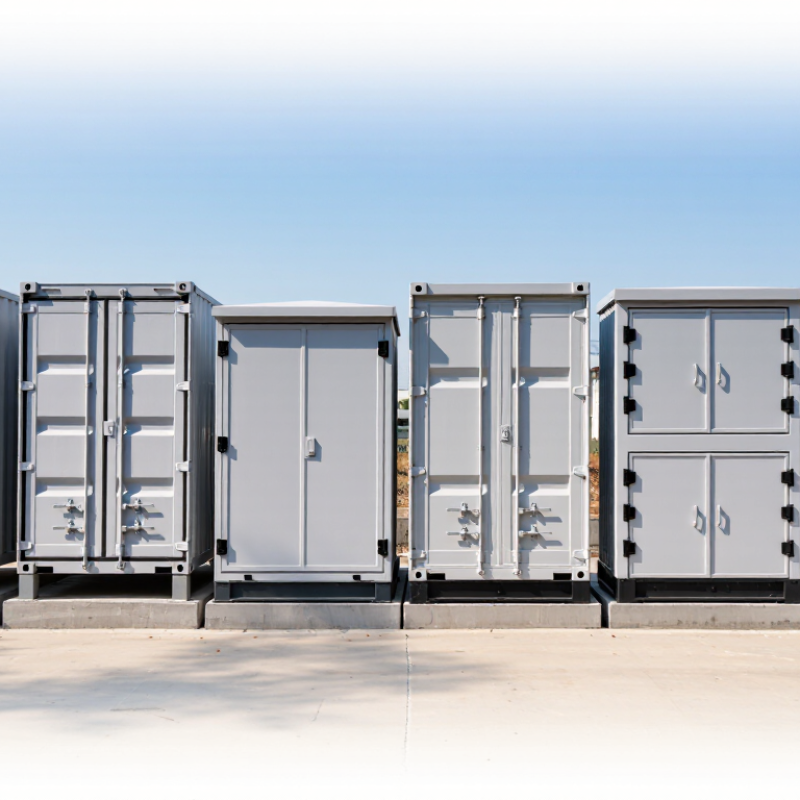
Top 10 Outdoor Steel Enclosure Box Manufacturers?

What Defines an Outdoor Steel Enclosure Box?

An outdoor steel enclosure box is more than a metal cabinet with a weatherproof door. It protects wiring, controls, and power equipment from rain, dust, impact, and temperature swings. The steel should resist corrosion through galvanizing, powder coating, or stainless construction. Weak coatings fail quickly near saltwater. That detail is often underestimated.

Ingress protection defines real performance. IEC 60529 rates IP resistance against solids and water, while NEMA 250 evaluates broader enclosure conditions, including corrosion and ice formation. MarketsandMarkets’ 2024 electrical enclosures report projects industry growth of roughly 6% annually through 2029. This demand reflects expanding industrial automation and outdoor infrastructure. Thermal control also matters. A sealed box can trap heat above component limits. Ventilation, heat exchangers, or sun shields may be necessary.

Tips: Check the site climate before choosing steel thickness or coating. Verify the required IP or NEMA level with test documentation. Inspect hinges, gaskets, drain holes, and grounding points during installation. Leave service space around heat-producing equipment. A perfect enclosure does not exist. Field conditions change, and even a strong design may need revision after one harsh season.

How Manufacturers Engineer Enclosures for Outdoor Conditions

Outdoor steel enclosure manufacturers engineer for weather, impact, corrosion, and maintenance access. Their work begins with the installation environment, not a catalog shape. Coastal sites demand stronger corrosion protection, while dry regions create different thermal problems.

Experienced engineers select galvanized or stainless steel according to exposure and service life. They weld seams carefully, then inspect corners for pinholes and distortion. A continuous gasket helps block dust and rain around the door. Proper drainage also matters. Trapped water can corrode hidden surfaces.

Reliable manufacturers test enclosure protection against water and dust under recognized methods. They also check hinges, locks, cable glands, grounding points, and mounting plates. Outdoor equipment can heat rapidly in direct sunlight, so ventilation, insulation, or a cooling system may be necessary. Clearances must support real technicians wearing gloves.

In practice, no enclosure remains perfect without maintenance. Even a strong powder coating can weaken after scratches, salt exposure, or repeated access. A thoughtful manufacturer leaves room for inspection and replacement parts. Some designs look robust but overlook condensation inside the box. That mistake deserves attention. Procurement teams should review material certificates, test records, tolerances, and field experience before comparing the top ten manufacturers.

Top 10 Outdoor Steel Enclosure Box Manufacturers? - How Manufacturers Engineer Enclosures for Outdoor Conditions

This table compares ten common engineering capabilities used to design and manufacture outdoor steel enclosures. It is a selection guide, not a ranked list of companies.

Engineering Capability Typical Design or Manufacturing Approach Outdoor Protection Benefit Useful Specification or Check
1. Enclosure rating and application fit Design the enclosure and its doors, seals, and openings for the intended exposure and installation. Helps limit entry of rain, windblown dust, or other environmental hazards when the specified rating is appropriate. Specify the required NEMA enclosure type under NEMA 250 or an IP code under IEC 60529. These systems use different classifications and are not direct equivalents.
2. Corrosion-resistant material selection Choose carbon steel with a suitable protective finish, or stainless steel where the environment and project requirements justify it. Reduces the risk of rust and premature deterioration; the best material depends on moisture, chemicals, salt exposure, and maintenance conditions. Confirm the specified steel grade or coating system and consider the site environment, including coastal or industrial exposure.
3. Protective coating process Prepare the steel surface and apply a suitable coating system, such as a conversion treatment with a powder or liquid topcoat. Coating coverage helps protect exposed surfaces from corrosion and weathering; damaged edges and cutouts need particular attention. Ask for coating specifications, surface-preparation details, thickness requirements, and inspection criteria. ASTM B117 salt-fog testing is a test method, not a direct prediction of service life.
4. Door, gasket, and seam design Use a controlled door fit, continuous compatible gasket, and carefully designed seams and latches. Supports the enclosure’s intended environmental protection when assembled, installed, and maintained correctly. Check gasket material compatibility, compression, replacement access, and whether the complete enclosure configuration has been evaluated for its claimed rating.
5. Drainage and condensation management Consider mounting orientation, condensation control, and any drains or vents permitted by the required enclosure rating. Helps manage moisture that can form inside due to temperature changes, while avoiding unprotected openings that compromise ingress protection. Review the installation orientation and confirm that accessories and openings are included in the rating assessment.
6. Thermal management Assess internal heat loads, solar exposure, ambient conditions, and whether passive or active cooling is needed. Helps keep installed electrical components within their specified operating conditions. Base the design on equipment heat dissipation and site temperatures. Fans, filters, and air conditioners can affect the enclosure’s environmental rating.
7. Structural strength and mounting Select steel thickness, reinforcement, hinges, and mounting provisions for the enclosure size, equipment load, and installation method. Helps the enclosure withstand handling and service loads; site-specific wind or seismic requirements may also apply. Provide equipment weight, mounting details, and applicable project loads for engineering review.
8. UV and weathering suitability Select exterior coatings, labels, and non-metallic accessories suitable for expected sunlight and weather exposure. Can help reduce fading, coating degradation, and deterioration of exposed accessory materials over time. Request documented outdoor-use suitability for the specified finish and accessories; performance varies by formulation and exposure.
9. Fabrication consistency and quality checks Control cutting, forming, welding, surface preparation, coating, and final assembly against documented requirements. Consistent dimensions and assembly help doors align, seals compress as intended, and finishes remain intact. Ask about inspection records, dimensional checks, coating inspection, and verification of the finished enclosure configuration.
10. Customization and lifecycle support Provide project-specific cutouts, back panels, mounting hardware, documentation, and replacement parts where required. A well-documented configuration can simplify installation, maintenance, and future component changes. Confirm drawings, accessory compatibility, spare-part availability, and how field modifications may affect the enclosure rating.

Profiles of Ten Outdoor Steel Enclosure Box Manufacturers

Outdoor steel enclosure boxes protect electrical controls, sensors, and communication equipment in harsh locations. Their quality depends on steel thickness, weld consistency, sealing, drainage, and coating performance. Field experience shows that small design details often prevent expensive maintenance.

The first manufacturer profile focuses on precision laser cutting and clean folded seams. The second specializes in stainless steel boxes for coastal and humid environments. The third builds heavy-duty cabinets for construction sites and industrial plants. The fourth emphasizes weatherproof doors, reliable hinges, and replaceable gaskets. The fifth develops compact enclosures for remote monitoring equipment. Its cable-entry planning deserves close attention.

The sixth manufacturer profile is known for custom sizes and low-volume production. That flexibility helps when standard dimensions fail. The seventh combines corrosion-resistant primers with outdoor powder coatings. The eighth concentrates on thermal management, using sun shields, vents, and cooling accessories. The ninth serves infrastructure projects with reinforced mounting plates and tamper-resistant hardware. The tenth focuses on documented testing, material traceability, and consistent inspection records. Still, no profile should be accepted without checking actual ingress protection, coating thickness, and load data. Marketing language can sound precise while hiding practical limits. A careful buyer should request drawings, test evidence, and sample inspection results before approving production.

Comparing Product Ranges, Standards, and Customization Options

Outdoor Steel Enclosure Manufacturers: Comparing Product Ranges, Standards, and Customization

A useful comparison starts with the enclosure range, not the catalog’s longest feature list. Check whether a manufacturer offers wall-mounted boxes, floor-standing cabinets, modular systems, and junction enclosures. Then compare steel thickness, corrosion protection, door sealing, and mounting options. For coastal sites, material and coating choices matter; a painted steel cabinet may need more maintenance than a suitably specified stainless-steel unit. Small details count.

Standards deserve careful reading. IEC 60529 defines IP ingress-protection ratings, while NEMA 250 classifies enclosure types for specified environmental conditions. They use different systems, so an IP rating should not be treated as a direct substitute for a NEMA type. Ask for test documentation, not just a label. The 2023 MarketsandMarkets Electrical Enclosures Market report estimated the market at about US$6.5 billion, with growth linked partly to infrastructure and industrial investment. That figure describes the wider enclosure market, not outdoor steel boxes alone.

Customization can separate a workable cabinet from an awkward field installation. Compare options for gland plates, cable entry positions, mounting rails, sun shields, locks, and thermal management. Request drawings showing clearances and door swing before approving a build. Catalog comparisons can feel tidy; real sites rarely are. And custom work may add lead time. A practical supplier should explain those trade-offs and identify which changes affect sealing, corrosion resistance, or certification.

How to Evaluate Manufacturers for Specific Project Requirements

Choosing an outdoor steel enclosure manufacturer starts with the site, not the catalog. Record exposure to salt spray, dust, washdown, direct sun, and temperature swings. Then compare steel grade, coating system, seam design, gasket material, and drainage details against those conditions. Small details matter. A coating’s stated thickness means little without adhesion and corrosion-test records.

The 2016 NACE IMPACT study estimated global corrosion costs at US$2.5 trillion annually, or 3.4% of global GDP. That is a global estimate, not a project forecast, but it supports asking vendors how they validate corrosion resistance. Request test reports, material certificates, drawings, and the precise enclosure rating. IEC 60529 defines IP66 as dust-tight and protected against powerful water jets; it does not establish long-term corrosion life. NEMA 250 classifies enclosure types for environmental protection, so confirm the rating required by the project rather than assuming IP and NEMA ratings are interchangeable. Also check mounting clearances, cable-entry locations, locking hardware, and replacement-part lead times. I would still question any broad “weatherproof” claim without test evidence. A sample door or finish coupon can reveal issues that a polished brochure may miss.

Top 10 Outdoor Steel Enclosure Box Manufacturers? — How to Evaluate Manufacturers for Specific Project Requirements

The chart presents an illustrative procurement weighting model for comparing outdoor steel enclosure manufacturers. The criteria reflect common project requirements such as ingress protection, corrosion resistance, customization, testing, thermal management, and delivery capability.

Use the percentages as a scoring framework rather than a ranking of any specific company. Adjust the weighting to match the project environment, enclosure size, installation location, compliance requirements, and expected service life.

Back To Top