
5 Best 60mm Stainless Tube Suppliers for Global Buyers

For global buyers, choosing a reliable 60mm Stainless Tube supplier involves more than comparing prices. Outside diameter alone does not confirm suitability. Wall thickness, stainless grade, surface finish, dimensional tolerance, and manufacturing method can change performance significantly. A tube for food-processing equipment may require a different finish from one used in structural frames or heat-exchange systems.

Harold M. Cobb, a respected stainless-steel historian and industry author, wrote, “Stainless steel is not a single material, but a family of alloys.” That distinction matters. A serious supplier should explain whether the tube is 304, 316L, 321, or another grade. It should also provide mill test certificates, inspection records, and clear production details. These documents are not decoration. They help buyers verify chemistry, strength, and traceability before shipment.

This guide reviews five 60mm Stainless Tube suppliers serving international customers. The comparison considers product consistency, fabrication capability, export packaging, lead times, communication, and after-sales support. Some suppliers may offer lower prices. That does not always mean better value. A cheaper tube can create problems through uneven walls, scratches, poor welding, or incomplete documentation. Small details matter.

No supplier is perfect.

Buyers should still request samples, confirm standards, and inspect critical batches. Port delays, changing raw-material costs, and unclear tolerances can affect even experienced purchasing teams. This review is therefore practical, not absolute. It highlights credible options while recognizing that the best supplier depends on application, quantity, destination, and required certification.
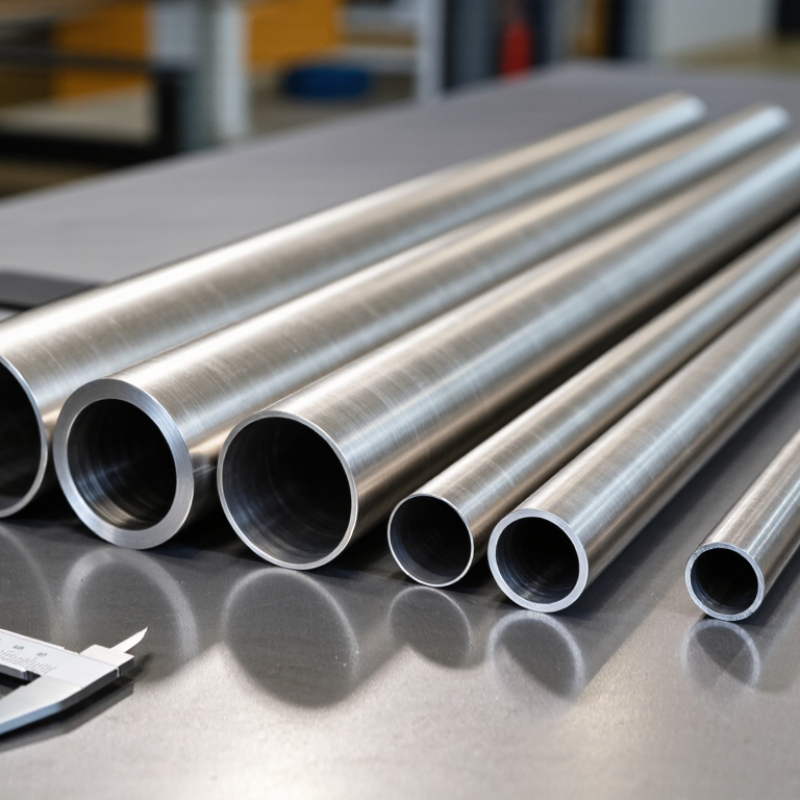
5 Best 60mm Stainless Tube Suppliers for Global Buyers

What Defines a Reliable 60mm Stainless Tube Supplier

A reliable 60mm stainless tube supplier proves quality through repeatable details, not attractive promises. Buyers should request material certificates, heat numbers, dimensional reports, and surface-finish records. These documents connect each tube to its production history.

Experience matters during inspection. An experienced supplier checks outer diameter, wall thickness, straightness, ovality, and weld condition with calibrated equipment. The 60mm measurement must remain stable across the full batch. Small variations can create serious problems during fitting or pressure testing.

Ask how the supplier handles stainless grades, annealing, cutting, packing, and corrosion protection. Clear answers show practical knowledge. Sample tubes should reveal a smooth surface, clean ends, and consistent geometry. They should not show deep scratches, discoloration, or rough weld lines.

Traceability builds trust. Each bundle should carry clear markings that match the inspection records. Reliable suppliers also explain production capacity, realistic lead times, and shipping documentation before accepting an order. Fast delivery is useful, but rushed production may weaken quality control.

Communication is another test. A dependable supplier reports delays early and responds with measurable solutions. I have seen suppliers provide excellent samples but weaker bulk production. That gap deserves attention. No supplier gets everything right. Buyers should compare inspection results across several batches before making a long-term decision. References from similar industries can help, but independent testing remains more convincing. Titanium? No, stainless only. Confusing materials can lead to costly mistakes.

Supplier One: Manufacturing Strengths and Product Standards

Supplier One combines controlled production with practical quality checks for 60mm Stainless Steel Tubes. Its workshop supports cold drawing, precision cutting, and welded tube fabrication. These processes help maintain stable outer diameter, wall thickness, and straightness across repeated orders. Production teams record heat numbers from melting through final inspection. This traceability gives buyers clearer evidence when reviewing each shipment.

The supplier works with common stainless grades, including 304, 316, and other project-specific alloys. Tubes can be inspected against ASTM or EN requirements, depending on the purchase specification. Typical checks include dimensional measurement, surface inspection, eddy-current testing, and hydrostatic testing where required. Each batch should include a material certificate with chemical and mechanical results. That paperwork matters during customs review and technical approval.

From project experience, packaging often deserves more attention than buyers expect. Plastic caps, moisture barriers, and strong wooden frames reduce damage during long transport. Supplier One can also provide cut lengths and polished surfaces for fabrication work. However, buyers should confirm whether 60mm means outside diameter or nominal size. It is an easy detail to overlook. Tolerance, surface roughness, and testing scope should be written clearly before production starts. The supplier’s process appears dependable, but independent inspection remains sensible for critical applications.

5 Best 60mm Stainless Tube Suppliers for Global Buyers - Supplier One: Manufacturing Strengths and Product Standards

Evaluation Dimension Typical Specification or Capability Relevant Standard or Industry Basis Buyer Verification Point
Nominal Tube Size Outside diameter: 60.0 mm; wall thickness commonly available from approximately 1.5 to 5.0 mm, subject to production tooling. Dimensional ranges are commonly specified under ASTM, EN, or ISO tube standards. Confirm outside-diameter, wall-thickness, ovality, and length tolerances on the purchase order.
Primary Stainless Grades Austenitic grades such as 304/304L for general corrosion resistance and 316/316L for improved resistance in chloride-bearing environments. ASTM A240 and EN 10088 are widely used references for stainless steel grade and chemical composition requirements. Request heat numbers, material certificates, and chemical composition results.
Tube Manufacturing Route Welded tube formed from stainless strip, longitudinally welded, sized, straightened, and cut to length; seamless construction may be available for selected specifications. ASTM A554 is commonly used for welded mechanical tubing; ASTM A269 is widely used for general-purpose seamless and welded tubing. Check whether the order requires welded, seamless, or hygienic tube construction.
Weld Quality Control Controlled longitudinal welding with seam inspection, weld-bead treatment, and surface finishing according to the specified application. EN 10217-7 provides requirements for welded stainless steel tubes for pressure purposes. Ask for weld inspection records and confirmation of any non-destructive testing method.
Surface Finishes Common finishes include 2B, brushed satin, polished, and sanitary-grade finishes. Surface roughness can be specified for hygienic applications. EN 10088-2 defines common stainless steel surface conditions; hygienic projects may specify a maximum Ra value. State the finish, polishing grit, and maximum roughness value, such as Ra ≤ 0.8 μm, when required.
Dimensional Accuracy Production control may include laser or calibrated gauge measurement for diameter, wall thickness, straightness, and cut length. ISO 1127 is a common reference for dimensions and tolerances of stainless steel tubes. Require a dimensional inspection report linked to the heat or batch number.
Corrosion-Resistance Verification Material selection, correct heat treatment, pickling, passivation, and contamination control support corrosion resistance. ASTM A967 is a recognized specification for chemical passivation treatments of stainless steel parts. Confirm whether pickling or passivation is included and request the applicable treatment record.
Mechanical and Pressure Testing Depending on the order, testing may include tensile, hardness, flaring, flattening, hydrostatic, or pneumatic testing. The required tests depend on the selected ASTM, EN, pressure, or application-specific standard. Define test type, test pressure, sampling frequency, and acceptance criteria before production.
Cut Length and Packaging Standard mill lengths are commonly supplied, while fixed lengths can be cut to order; protective caps, wrapping, and seaworthy bundles help prevent damage. Packaging is normally agreed in the commercial specification rather than determined by one universal tube standard. Specify cut-length tolerance, bundle weight, moisture protection, labeling, and container-loading requirements.
Documentation for Global Buyers Typical documentation includes a commercial invoice, packing list, certificate of origin, material test certificate, inspection report, and shipping documents. EN 10204 type 3.1 inspection certificates are commonly requested for traceable stainless steel products. Confirm document language, certificate type, heat-number traceability, and export-marking requirements.
Best-Fit Applications Architectural structures, food-processing equipment, industrial frames, heat-exchanger components, fluid systems, and general fabrication. Application suitability depends on grade, wall thickness, weld condition, surface finish, temperature, pressure, and corrosive exposure. Obtain written confirmation that the selected grade and tube standard match the service environment.

Supplier Two: Export Capability and Customization Options

Supplier Two stands out for its practical export process and flexible approach to 60mm stainless tubes. The team confirms tube diameter, wall thickness, alloy grade, surface finish, and length before production. This prevents costly misunderstandings between drawings and purchase orders. That matters.

For overseas buyers, the supplier prepares commercial invoices, packing lists, certificates of origin, and material test certificates. Each bundle receives moisture-resistant wrapping, end protection, and clear labels for warehouse handling. Export staff can arrange common shipping terms and coordinate container loading with freight partners. Inspection records may include dimensional checks, surface review, and positive material identification when requested. These steps show useful experience, not just sales language.

Customization is another strength. Buyers can request cut lengths, polished surfaces, brushed finishes, welded or seamless construction, and protective caps. The supplier also discusses tolerances instead of accepting every drawing without questions. That is a good sign. Still, customization can slow production when specifications change late. One weakness remains: buyers should confirm testing scope and packaging photos before shipment. Assumptions create risk. A small sample order can reveal whether the actual finish, straightness, and labeling meet project expectations. Clear communication is essential when a 60mm tube travels across several borders.

Supplier Two: 60 mm Stainless Tube Customization Reference

Common wall-thickness options and the corresponding calculated internal diameter for a 60 mm outside-diameter stainless tube

The reference configurations use a 60 mm outside diameter. Internal diameter is calculated as 60 mm − 2 × wall thickness. These dimensions are commonly used for custom stainless tube inquiries; final availability, tolerances, material grade, finish, cutting length, certification, and export documentation should be confirmed with the supplier.

Supplier Three: Quality Control, Certifications, and Pricing

Supplier Three: Quality Control, Certifications, and Pricing

For a 60mm stainless tube, quality begins with confirming the outside diameter, wall thickness, and grade. Serious suppliers use calibrated micrometers, laser gauges, and batch traceability. They should provide chemical analysis, tensile results, hardness values, and surface inspection records. ASTM A269 and ASTM A213 remain common references for welded and seamless tubing applications.

Certification matters, but paperwork alone is not proof. Request an ISO 9001 certificate, an EN 10204 3.1 inspection document, and recent test reports from the actual production batch. The ISO Survey identifies ISO 9001 as the world’s most widely used quality-management standard, with more than one million certificates reported globally. Industry data from the International Stainless Steel Forum also shows annual stainless production exceeding 58 million tonnes, making supply-chain consistency increasingly important.

Pricing should be compared by specification, not by meter alone. Ask whether the quote includes polishing, cutting, packaging, inspection, freight, and export documentation. Stainless alloy surcharges can change with nickel and chromium markets. A cheaper tube may hide thinner walls or weaker traceability. One practical weakness remains: some suppliers send sample certificates before production, then provide different records later. Require final batch documents before shipment. Small detail. It can prevent an expensive dispute. During evaluation, compare at least three quotations and verify tolerances against the project drawing, not only the supplier’s catalog.

Supplier Four: Delivery Performance and Global Customer Support

For global buyers, Supplier Four stands out through disciplined delivery management and responsive customer support. A reliable supplier confirms tube diameter, wall thickness, grade, surface finish, and packing details before production. This reduces expensive misunderstandings between purchasing teams and factory staff. Shipment updates should include production status, inspection results, loading photos, and tracking information. Clear communication matters most when containers face port delays or schedule changes.

In practical sourcing work, I look for documented quality checks at several stages. The supplier should verify dimensions with calibrated instruments and provide material certificates when requested. Export documents must match the packing list, invoice, and actual cargo.

Support should also cover time-zone differences. A response within one working day is useful, though urgent technical questions may need faster handling. No supplier is perfect. Occasional delays still happen, and promised dates should not replace written evidence.

Tips: Request a sample delivery timeline before ordering. Ask how late shipments are reported and corrected. Confirm whether replacement support covers incorrect dimensions or transit damage. Keep every approval in writing. Small details matter. A simple carton label showing heat number, size, quantity, and destination can prevent confusion at the receiving warehouse. Suppliers serving international buyers should also explain packaging methods, moisture protection, and unloading requirements in plain language.

Conclusion

Choosing the right 60mm Stainless Tube supplier requires more than comparing prices. Reliable suppliers should demonstrate strong manufacturing capabilities, consistent product standards, and clear quality-control procedures. Important factors include material traceability, dimensional accuracy, surface finish, and relevant certifications. Buyers should also assess whether a supplier can support customized wall thicknesses, lengths, grades, and packaging requirements while maintaining stable production quality.

For international purchasing, export experience and dependable logistics are equally important. A capable supplier should provide accurate documentation, responsive communication, realistic lead times, and effective after-sales support. Delivery performance, order flexibility, and transparent pricing can significantly affect project efficiency and total procurement costs. Different buyers may prioritize different strengths: large industrial projects may need high-volume production, while distributors may value customization and flexible minimum order quantities. By comparing manufacturing strength, certifications, pricing, delivery reliability, and customer service, global buyers can select a 60mm Stainless Tube supplier that best matches their technical, commercial, and international sourcing needs.

Back To Top