
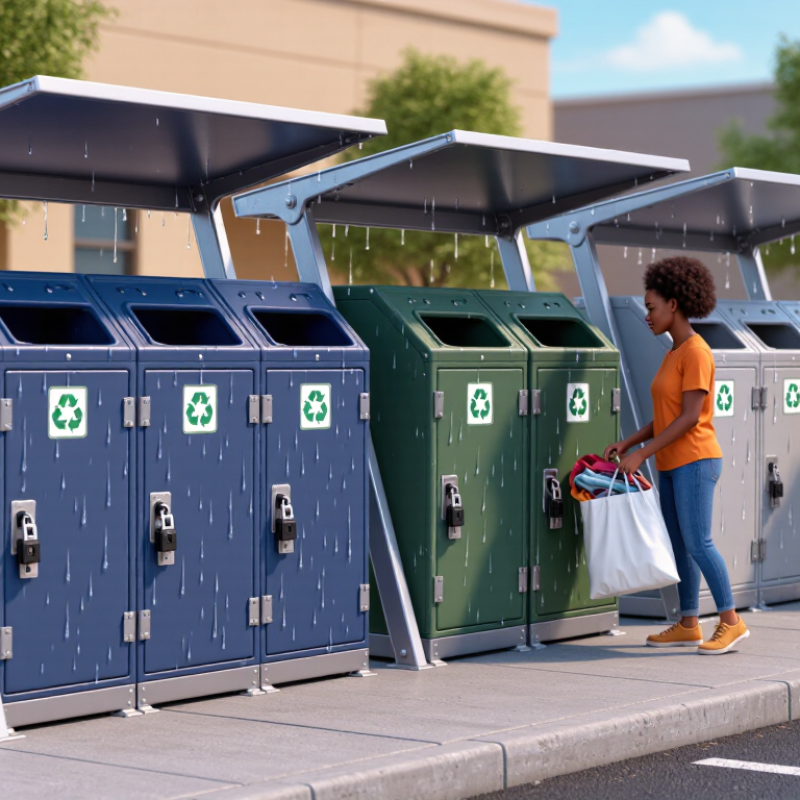
Clothing donation drop-off bin manufacturers are specialized producers of collection equipment. They turn donation needs into secure, visible, and practical containers. Their role extends beyond cutting metal or molding plastic. They study donation behavior, placement conditions, and collection volume before developing a bin. A practical unit may include a wide opening, rounded edges, clear instructions, and a lockable access panel. These details reduce confusion and help protect garments from rain, dirt, and careless handling.
Experienced manufacturers often coordinate with site owners, reuse organizations, fabricators, and service teams. They select corrosion-resistant materials for outdoor locations and stronger panels for busy public areas. Ventilation can limit moisture, while anchored bases help prevent shifting or unauthorized movement. Manufacturers also consider wheelchair reach, safe loading height, visibility, and routine collection access. Reliable suppliers document material specifications, weld quality, surface treatment, and inspection procedures. This evidence supports purchasing decisions and long-term maintenance.
Still, appearance does not prove performance. A polished bin may have a narrow opening or poor drainage. A durable model can also fail when collections are infrequent. Manufacturers should test realistic conditions, including heavy rain, repeated door use, and overfilled compartments. Clear labels matter too, because vague wording can lead to unsuitable donations or blocked openings. Design reviews should include field feedback. Small complaints often reveal larger problems: a wet sleeve, a jammed latch, or a confusing label.