
In 2026, choosing Ordinary Plywood means matching the panel to the job, not just comparing prices. A smooth birch sheet may suit a cabinet interior, while softwood plywood is often chosen for sheathing and general building work. Hardwood-faced panels offer a more finished appearance. Moisture-resistant options can help in damp settings, but they are not automatically waterproof. Details matter.
This guide introduces the main plywood types buyers are likely to encounter, including softwood, hardwood, birch, structural, and moisture-resistant panels. It explains how face quality, thickness, core construction, and adhesive ratings affect everyday performance. A useful starting point is the label and product data sheet, rather than a broad claim on the shelf. Look for details such as panel grade, intended use, and stated exposure conditions. When a project carries significant loads, confirm the panel’s rating with a qualified supplier or building professional.
There is no single best sheet. Even two panels with similar faces can behave differently once cut, fastened, or exposed to moisture. That part is easy to overlook. The comparisons ahead focus on practical strengths, limitations, and common uses, so readers can narrow their choices before buying. Some categories overlap, and product names are not always used consistently. Check the specifications; appearance alone can mislead.
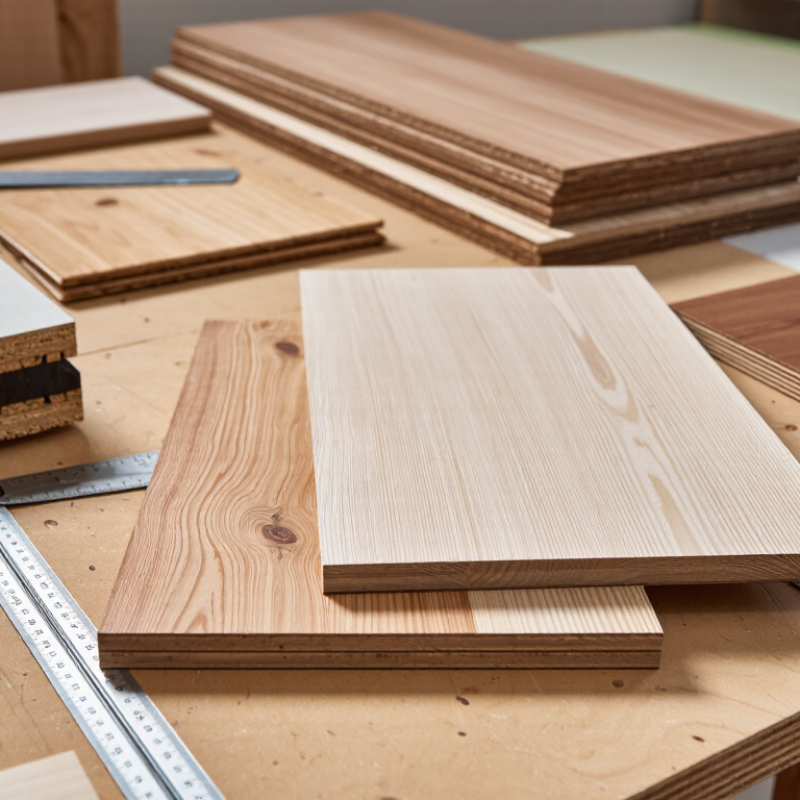
Ordinary plywood is a panel made by bonding thin wood veneers together, usually with neighboring grain layers set at right angles. This cross-layered structure helps limit splitting and keeps the sheet more stable than a single wide board. It is not solid timber. The term “ordinary plywood” is broad, and its exact meaning can vary between suppliers and regional standards.
Classification usually depends on several separate features. Wood species divides panels broadly into hardwood and softwood plywood, while surface grades describe knots, patches, and sanding quality. Core construction may use veneer layers or a combination of materials. Bond or exposure ratings indicate how well adhesive joints tolerate moisture; they do not make every panel waterproof. Thickness, panel dimensions, and structural ratings matter too. A smooth face can still hide a weak core, so appearance alone is not a reliable guide. The categories can feel untidy because one sheet may fit several descriptions.
Tips: Check the panel stamp or technical sheet for grade, thickness, and intended exposure. Inspect the edges for gaps or uneven layers. For shelves, flooring, or damp rooms, match the panel’s structural and bond ratings to the actual job. A label may not tell the whole story.
Ordinary plywood in 2026 is commonly grouped by the wood used for its veneers and the conditions it can handle.
Softwood plywood, often made with pine or fir, is light and practical for roof sheathing, wall panels, and general construction. Hardwood plywood uses species such as birch or poplar and usually has a smoother face for cabinets, furniture, and interior finishes. A clean surface helps. But the core still matters.
Mixed-species plywood combines different woods across its layers, balancing cost, strength, and availability. Some sheets have a hardwood face over a softer core, so check the panel edge before choosing one for visible work. Plywood is also sold in interior and exterior grades. Interior panels suit dry rooms; exterior-rated panels use moisture-resistant bonding, though they are not automatically waterproof. Not the same thing. Thickness, veneer quality, and voids can vary between sheets, even within one stack. I would inspect a sample and confirm the intended use rather than rely only on the word “ordinary” on a product description. The right type depends on load, finish, and exposure.
In 2026, ordinary plywood is best compared by its core, face veneers, and intended load—not by its name alone. Veneer-core panels use thin wood layers crossed at right angles, helping limit movement and distribute stress. Some panels have a lumber or composite core, which may feel more solid but can differ in weight, screw-holding ability, and edge finish. Check the panel specification; construction varies.
The surface affects appearance and finishing. A-grade faces are generally smoother, with fewer visible defects, while lower grades may show knots, patches, or sanding marks. Hardwood-faced plywood often suits cabinets and furniture, where grain is visible. Softwood-faced panels are common in construction and utility projects. Still, a clean face does not prove a strong panel. That matters.
Strength depends on thickness, veneer quality, adhesive, and how the layers are assembled. Structural-rated plywood is intended for specified building uses, while general-purpose panels may suit shelves, linings, or light projects. Match the panel to the load and environment, and inspect its edges for gaps or loose plies. Names and grading rules can vary by market, so compare markings rather than assuming two panels are equivalent. A small trade-off remains: the smoothest surface may not be the best choice for heavy loads.
Sheathing plywood is commonly used beneath roof shingles, siding, and floor finishes. Its rough face is practical where appearance matters less than a firm, continuous surface. Structural plywood is selected for load-bearing panels, such as wall bracing and subfloors.
The APA Engineered Wood Construction Guide explains span-rating labels: a 32/16 panel, for example, is rated for roof supports spaced up to 32 inches and floor supports up to 16 inches. Follow the project design, not the label alone.
Check the stamp.
Sanded plywood suits cabinets, shelves, and interior furniture because its smoother face needs less preparation before finishing. Hardwood-faced panels can make visible cabinet doors or shop fixtures look cleaner, though the core and face grade still affect screw holding and surface quality.
Exterior-rated plywood is useful for outdoor projects exposed to occasional moisture, but it is not automatically waterproof. Marine plywood is intended for demanding wet conditions; it still needs suitable sealing and careful detailing. The USDA Forest Products Laboratory’s Wood Handbook (2021) discusses how moisture changes affect wood products, so protect exposed edges and avoid trapped water. A common oversight is leaving a cut edge unsealed; it may swell before the broad face shows damage.
Choosing plywood starts with the job, not the shelf label. For cabinets and painted furniture, hardwood plywood often offers a smoother face. Utility-grade softwood can suit hidden framing or workshop projects where appearance matters less. Structural plywood is intended for load-bearing uses, but confirm its grade and span requirements before building. A neat surface is not proof of strength.
Moisture matters. Interior plywood is a poor choice for a damp shed, even if you plan to paint it. Look for a panel rated for the exposure it will actually face, and seal cut edges where appropriate. Check thickness against the project’s support spacing; a thin sheet may flex between widely spaced rails. Hold the panel at eye level and inspect for bulges, open edges, or uneven layers. Small defects can become visible after finishing.
Think about the core, too. A stable, even core helps screws hold and reduces surprises when you cut near an edge. I’d also bring the measurements and intended finish when comparing sheets. It is easy to choose the prettiest face and overlook the back. That happens. For shelves, test a short offcut under a similar load before committing, since plywood quality and actual performance can vary between panels.
| Plywood Type | Typical Construction and Face | Best-Suited Projects | Moisture and Finish Considerations | How to Choose |
|---|---|---|---|---|
| Softwood structural plywood | Usually made with softwood veneers arranged in cross-grain layers. Face appearance and permissible defects depend on the product’s grade and applicable standard. | Wall and roof sheathing, subfloors, bracing, and other construction uses when the panel is rated for the intended structural application. | Choose an exposure or bond classification suitable for the job. Panels intended for limited exposure are not a substitute for long-term weather protection. | Check the panel’s structural rating, thickness, span guidance, grade, and local building requirements—not just its nominal thickness. |
| Hardwood plywood | Hardwood face veneers over a layered wood core. Face species, core construction, and surface grade vary by product. | Furniture, shelving, cabinetry, wall panels, and interior fixtures where a smooth or attractive face is useful. | Interior grades are generally intended for protected indoor conditions. Apply a suitable finish to protect the surface, especially near spills or humidity. | Choose the face appearance and core quality to match the visible finish, machining needs, and expected loads. |
| Decorative plywood | Made with a selected or decorative face veneer, which may show natural grain and variation. The backing and core can differ between panels. | Cabinet doors, furniture panels, feature walls, and other applications where the plywood face remains visible. | Surface color and grain can vary naturally. Use a compatible clear or colored finish, and confirm that the panel is suitable for the room’s humidity. | Inspect the actual face for color, grain, patches, and matching requirements; ask whether the reverse face also needs a specified appearance. |
| Cabinet-grade plywood | A trade description commonly used for panels selected for cabinet work; it is not a single universal grade. Face quality, core, and tolerances can vary. | Cabinet carcasses, drawer components, built-ins, and furniture parts that need a stable panel and predictable machining. | Most cabinet panels are intended for interior use unless their product specification states otherwise. Seal exposed edges where appropriate. | Confirm the exact face grade, core material, thickness tolerance, flatness, and adhesive or emissions documentation for the intended use. |
| Exterior-bond plywood | Plywood manufactured with an adhesive bond intended to withstand the exposure described by its classification; veneer quality still varies. | Outdoor projects and components that may experience damp conditions, provided the panel’s rating matches the exposure and design. | An exterior bond does not make a panel fully waterproof or eliminate the need for drainage, edge protection, coatings, and maintenance. | Read the exposure classification and installation guidance. For continuously wet or demanding applications, verify that the product is specifically suitable. |
| Marine plywood | Typically uses durable veneers, a strong bond, and limits on certain defects under the relevant marine-plywood specification; construction varies by standard. | Boatbuilding and other demanding applications where the specified panel properties are required. | It still requires appropriate sealing, detailing, and maintenance. A marine designation alone does not protect untreated surfaces from weather or decay. | Check the named standard, veneer and bond requirements, and suitability for the exact use; do not rely on the word “marine” alone. |
| Flexible plywood | Built with thin veneers or a construction designed to bend more readily in one direction than standard plywood. | Curved cabinetry, rounded furniture, display structures, and other non-structural curved surfaces. | Usually needs a separate decorative face or finish. Moisture resistance depends on the specific panel and adhesive classification. | Check the permitted bending direction, minimum bend radius, thickness, and whether the finished assembly needs additional support. |
| Film-faced plywood | Typically has a resin-impregnated film surface bonded to a plywood core; edges and core quality depend on the product. | Concrete formwork, reusable temporary surfaces, and applications that benefit from a smooth, coated face. | The film can help protect the face, but exposed edges, damaged areas, and fastener holes may allow moisture entry. Clean and store panels as directed. | Compare film type, surface finish, edge sealing, core quality, and the manufacturer’s stated reuse or exposure guidance. |
Selection tip: Match the panel’s grade, structural rating, bond or exposure classification, thickness, and finish to the project. Plywood terminology and grading rules can differ by country and standard, so check the product documentation and local requirements before buying.