
China Top Pneumatic Bending Machine Manufacturers?

Choosing among China’s top Pneumatic Bending Machine manufacturers requires more than comparing online prices. A reliable supplier should understand sheet metal production, not only machine assembly. This guide examines manufacturers through practical evidence, including factory experience, engineering capability, quality controls, and after-sales support.

Real production details matter. Can the machine bend the required sheet thickness consistently? Does its pneumatic system maintain stable pressure during repeated cycles? Buyers should check frame rigidity, working width, stroke adjustment, tooling quality, and emergency-stop design. Ask for test videos using similar materials. Better still, request dimensional inspection records and a sample bending report.

Service matters too. Clear manuals, spare-parts availability, remote troubleshooting, and technician training can reduce costly downtime. Manufacturers with documented inspections and transparent communication usually deserve closer attention. Certifications may support credibility, but they should match the target market and product configuration.

No ranking is perfect. A polished website proves little. A low quotation may hide weak components or limited support. Factory audits, customer references, and direct technical discussions provide stronger evidence. Look closely.

This introduction helps buyers compare Chinese manufacturers with a balanced perspective. It considers both measurable specifications and daily operating realities. The best choice may not be the cheapest machine or the largest factory. It should be a supplier capable of delivering stable performance, honest documentation, and responsive support over time. Needs differ. That is easy to overlook.
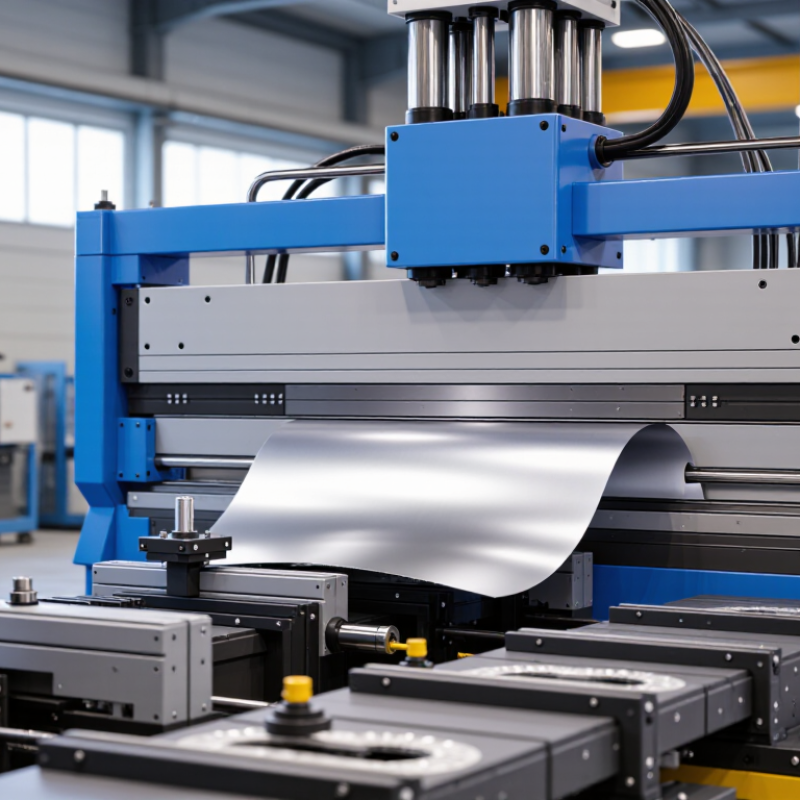
China Top Pneumatic Bending Machine Manufacturers?

What Is a Pneumatic Bending Machine?

A pneumatic bending machine uses compressed air to drive a cylinder, clamp a workpiece, or move a bending die. Unlike a fully hydraulic system, it relies on air pressure, valves, regulators, and controlled actuator movement. In a typical workshop, a metal strip is placed against a back gauge. The operator then activates a foot pedal, and the cylinder applies force through the tooling. The cycle is usually clean, quick, and easy to repeat.

Its practical strength is speed rather than extreme forming power. It suits thin sheet metal, light tubes, brackets, and repetitive production tasks. The U.S. Department of Energy reports that compressed-air systems may lose 20–30% of output through leakage. That figure matters. A small hose leak can reduce bending consistency and increase compressor costs.

ISO 4414 also stresses safe pneumatic design, including pressure control and emergency isolation.

Buyers should check working pressure, cylinder diameter, bending width, stroke length, and repeatability. A larger cylinder does not automatically mean better results. Tool alignment and air quality can matter more. In my experience, moisture in the air line causes troublesome valve behavior. The overlooked detail. Energy consumption also deserves testing under real production conditions, not only catalogue ratings. Some specifications appear precise, yet operators may still need manual correction after several cycles. That weakness should be measured honestly.

How Pneumatic Bending Machines Work

China Top Pneumatic Bending Machine Manufacturers?

How Pneumatic Bending Machines Work

A pneumatic bending machine uses compressed air to move a cylinder and forming tool. Air enters through a regulated valve, pushing the piston downward. The piston transfers force to a punch, which presses sheet metal over a shaped die. The metal bends along a controlled line. Simple in principle.

Bending force depends on air pressure, cylinder area, tooling shape, and material thickness. A pressure regulator helps maintain consistent results during repeated cycles. Sensors can check piston position and stop movement at a programmed point. Operators usually adjust the back gauge, test a sample, and measure its bend angle with a protractor or digital gauge. A two-millimeter error can affect an entire batch.

The machine’s frame must resist vibration and uneven loading. Poor alignment may leave one side sharper than the other. That issue is easy to miss. Practical buyers should ask Chinese manufacturers for test videos, tooling specifications, maintenance records, and material compatibility data. They should also verify emergency stops, air filtration, guarding, and electrical documentation before installation. Pneumatic systems respond quickly, but speed can reduce control when settings are rushed. I have found that a slower first cycle often reveals hidden problems. It is not always the most efficient choice, though it protects the workpiece and the operator. Experienced suppliers should explain pressure limits clearly instead of promising one setting for every metal.

Key Features of Leading Chinese Manufacturers

Leading Chinese pneumatic bending machine manufacturers usually stand out through practical engineering, not polished catalogs alone. Their machines often use welded steel frames, stress relief treatment, and reinforced side plates to reduce deformation during repeated bending. A stable frame matters when processing stainless steel sheets at different widths. It affects angle consistency.

Many factories now combine pneumatic systems with CNC controllers, adjustable back gauges, and digital angle displays. These features help operators set repeatable bending positions with less manual measurement. Some manufacturers also offer customized tooling for boxes, channels, and narrow flanges. In a working shop, quick tool changes can save several minutes per batch. That saving becomes significant over a full production week.

Quality control should be visible at the factory level. Reliable suppliers inspect cylinder pressure, parallelism, electrical connections, and emergency-stop response before shipment. They should provide test videos, dimensional reports, spare-parts lists, and clear maintenance instructions. I have found that communication during sample production reveals more than a sales brochure. Ask for material thickness tests and request the same tooling planned for delivery. A lower quotation may exclude installation support or essential dies. That can create trouble later.

Leading manufacturers also invest in operator safety, energy efficiency, and after-sales training. Their engineers should explain pressure limits without exaggeration. Some machines look impressive but lack consistent documentation. This is where careful comparison matters. A factory may offer strong customization, yet its delivery control can still be imperfect. Buyers should inspect production records, verify component specifications, and judge whether technical promises match actual machine behavior.

How to Compare China’s Top Pneumatic Bending Machine Suppliers

How to Compare China’s Top Pneumatic Bending Machine Suppliers

When comparing China’s top pneumatic bending machine suppliers, examine performance before appearance. Ask for proof. Request videos of the machine bending your actual material, thickness, and angle. Check pressure stability, bending speed, repeatability, and noise during continuous operation. A polished catalog can hide weak testing. Numbers can mislead.

Study the machine’s frame, cylinders, valves, control system, and safety design. Ask whether critical parts have traceable specifications and documented inspection records. Confirm the working length, maximum thickness, air consumption, and tolerance under real production conditions. A reliable supplier should explain maintenance intervals clearly. Request a factory inspection or a live video audit. Look for organized assembly areas, calibrated measuring tools, and finished machines prepared for shipment.

Compare quotations line by line. Include tooling, spare seals, packaging, installation guidance, training, and warranty terms. Ask how technical problems are handled after delivery, including response times and replacement procedures. Speak with recent buyers when possible. One weakness matters: some suppliers communicate well before payment but respond slowly afterward. Treat this as a warning, not a minor inconvenience. I would also test sample parts independently, because supplier data may reflect ideal conditions rather than daily production. No supplier scores perfectly, but transparent evidence usually separates a dependable partner from a cheap, uncertain purchase.

China Top Pneumatic Bending Machine Manufacturers? - How to Compare China’s Top Pneumatic Bending Machine Suppliers

Anonymous supplier comparison based on commonly specified pneumatic sheet-metal bending machine configurations and export purchasing criteria.

Supplier Profile Typical Machine Configuration Working Length Maximum Mild-Steel Thickness Bending Angle Pneumatic Pressure Indicative Export Price Typical Lead Time Quality and Service Indicators
Profile A Manual pneumatic box-and-pan folder with segmented upper tooling 1,250–2,500 mm 1.5–2.0 mm 0–135° 0.6–0.8 MPa US$3,800–8,500 25–40 days Strong
Factory inspection, video testing, spare-seal kit and English manuals commonly available.
Profile B Heavy-duty pneumatic folding machine with welded steel frame 2,000–3,200 mm 2.0–3.0 mm 0–135° 0.6–0.8 MPa US$7,200–14,800 35–55 days Strong
Suitable for larger panels; request cylinder synchronization and frame-deflection test results.
Profile C Compact pneumatic bending machine for HVAC and light fabrication 1,000–1,600 mm 1.0–1.5 mm 0–135° 0.4–0.7 MPa US$2,600–5,900 20–35 days Standard
Competitive for small workshops; confirm tooling material and repeatability before ordering.
Profile D Pneumatic press-brake-style machine with foot-pedal operation 1,600–2,500 mm 1.5–2.5 mm 0–120° 0.5–0.8 MPa US$5,500–11,500 30–50 days Strong
Convenient for repetitive work; verify emergency-stop layout, guarding and electrical compliance.
Profile E Economy pneumatic folder with basic angle-stop system 1,250–2,000 mm 1.2–2.0 mm 0–135° 0.5–0.7 MPa US$3,000–6,700 25–45 days Standard
Low initial cost; inspect weld quality, back-gauge accuracy and included accessories.
Profile F Customized pneumatic bending line with motorized back gauge 2,000–3,200 mm 2.0–3.0 mm 0–135° 0.6–0.8 MPa US$10,500–19,500 45–70 days Strong
Better suited to production users; require layout drawings, acceptance criteria and commissioning support.
Indicative comparison ranges are intended for preliminary supplier screening. Actual specifications, prices, certifications, tooling, freight terms and delivery schedules depend on the finalized machine configuration and purchase contract.

Key Comparison Criteria for Buyers

  • Compare the rated thickness using the same material grade, sheet width and bend length.
  • Check cylinder quality, working pressure, air consumption, synchronization and available replacement seals.
  • Request a test video or inspection report showing bend-angle repeatability and back-gauge performance.
  • Confirm emergency stops, guarding, foot-pedal protection, electrical components and applicable export documentation.
  • Compare Incoterms, packaging, warranty duration, spare parts, installation support and response time for after-sales service.

Buying, Installation, and Maintenance Considerations

Choosing among China’s top pneumatic bending machine manufacturers requires more than comparing prices. Ask for verified load charts, bending accuracy records, material compatibility, and spare-parts availability. A serious supplier should explain cylinder specifications, frame rigidity, control response, and safety interlocks clearly. Request sample bends using your actual sheet thickness. Paper performance can mislead.

Installation begins with a level foundation, clean compressed air, and adequate electrical capacity. Check pressure at the machine, not only at the compressor. Misalignment of the upper tool can create uneven angles and premature wear. Train operators on tooling selection, pressure limits, emergency stops, and safe hand clearance. Keep calibration records with dates, materials, and measured angles. The manual may be clear, but local conditions still matter.

Maintenance should include daily leak checks, weekly fastener inspections, filter draining, and scheduled lubrication where specified. Replace damaged hoses immediately. Do not improvise seals or exceed rated pressure. Monitor noise, slow cylinder movement, and angle drift; these are early warnings. A maintenance log supports warranty discussions and production planning. Small omissions matter. One skipped filter service can contaminate valves and interrupt a full shift. Leave room for honest review: the best machine still needs disciplined operators, realistic output targets, and accessible technical support.

Back To Top