
What Are the Top Toiletry Organizer Bag Types for 2026?

A Toiletry Organizer Bag can turn a crowded sink or suitcase corner into a more manageable routine. But the right style depends on how you travel, what you carry, and where you get ready. A weekend traveler may prefer a compact dopp kit, while a shared bathroom can make a hanging organizer more practical. Small details matter. Think about zipper access, easy-to-clean lining, sturdy hooks, and pockets that keep a toothbrush away from damp items.

This guide compares popular organizer types for 2026, including hanging bags, structured cases, clear pouches, and modular sets. It focuses on practical trade-offs rather than assuming one design suits everyone. A clear pouch can make contents easy to spot, but it may offer less privacy. A large case can hold full-size products, yet take up valuable luggage space. Check dimensions and materials before buying, since product labels do not always show how a bag performs when packed. That part is easy to overlook.

The best choice is usually the one that fits your actual routine, not an idealized packing list. Consider trip length, access to a bathroom, and whether you need to separate clean and used items. A few well-placed compartments may be more useful than many tiny pockets. Still, organization is personal. What works on one trip might feel awkward on the next.
What Are the Top Toiletry Organizer Bag Types for 2026?

How Toiletry Organizer Bags Are Classified

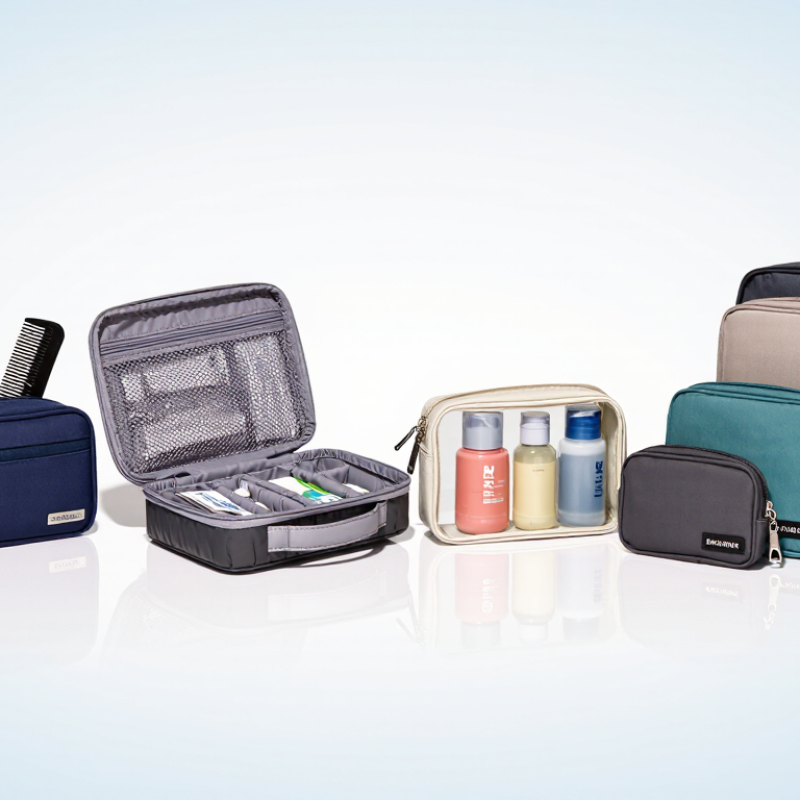
Toiletry organizer bags are commonly classified by their shape, opening style, and storage layout. A clamshell bag opens wide on a counter, making bottles and small jars easy to see. Hanging bags use a hook to suspend from a towel rail or door. Flat pouches take little space but usually offer less separation. There are trade-offs.

A second classification looks at compartments and access. Some bags have elastic loops for toothbrushes, mesh pockets for cotton pads, and zippered sections for small items. Others have one large compartment for taller containers. Clear panels help identify contents quickly, while opaque fabric offers more privacy. A wipe-clean lining can be useful, though it does not necessarily make a bag waterproof.

Size and carrying method also matter. Compact organizers suit short trips and fit inside a backpack; larger cases may stand upright beside a sink. Some designs include a handle, while others rely on a hanging hook or shoulder strap. These categories can overlap: a hanging bag might also fold like a clamshell. That makes labels imperfect. Consider the containers you actually pack, the space available at your destination, and whether quick access matters more than compact storage.

Hanging Toiletry Bags for Compact, Vertical Storage

A hanging toiletry bag uses vertical space instead of spreading bottles across a small counter. Unfold it beside a mirror, and toothbrushes, skin care, and grooming tools are easier to see. A sturdy hook can hang from a towel rail or closet rod, but check its shape before relying on it. Some hooks slip on smooth, narrow bars. A crowded bag may swing, too.

Look for several pocket sizes, a secure closure, and a lining that wipes clean. Mesh sections help small items stay visible, while deeper pockets can hold travel bottles upright. Keep heavier containers near the bottom so the open organizer feels steadier. Small details matter. A zipper that catches on fabric can turn a quick morning routine into a fumble.

Compact designs suit overnight trips and shared bathrooms, where counter space is limited. Still, vertical storage has trade-offs: packed pockets can become hard to reach, and damp items need airflow before the bag is closed. Test the layout at home with your usual essentials. I have found that one extra bottle can change the balance more than expected, so leave a little room.

Travel and Dopp Kits for Everyday Essentials

For 2026, a useful toiletry organizer is less about extra compartments and more about fitting real routines. A hanging travel kit works well in compact hotel bathrooms: unfold it, hook it near the mirror, and keep a toothbrush, comb, and small bottles visible. A flat, zippered pouch slips easily into a day bag for everyday essentials. For longer trips, a structured Dopp kit protects a razor and keeps larger containers upright. Choose wipe-clean lining and a wide opening; tiny pockets can look clever but make damp items harder to find. SITA’s 2024 Baggage IT Insights report recorded 6.9 mishandled bags per 1,000 passengers in 2023. That figure is not a reason to expect lost luggage, but it supports keeping time-sensitive essentials in a small personal pouch.

Tips: Test the layout at home. Pack your usual toothbrush, skincare, and medication, then check whether you can reach each item without unpacking everything. A leak-resistant pouch helps, though no zipper is perfect. Keep liquids in a separate clear bag when your route’s screening rules require it, and check current airport guidance before flying.

A few practical details matter more than fashionable extras. A sturdy handle makes a full kit easier to lift; a breathable pocket gives a damp washcloth somewhere to go. If you share bathroom space, choose a bag that stands open without spilling. Slightly imperfect packing happens. Leave room for it.

What Are the Top Toiletry Organizer Bag Types for 2026? - Travel and Dopp Kits for Everyday Essentials

Bag Type Typical Design Typical Capacity Organization Features Best For Main Consideration
Classic Dopp Kit Compact rectangular bag with a wide top opening and a simple, sturdy shape. Approximately 2–5 liters One main compartment, often with a small interior pocket. Everyday grooming essentials, short trips, and travelers who prefer a simple kit. Items may be harder to locate when the main compartment is packed full.
Hanging Toiletry Bag Fold-out or roll-out design with a built-in hook for hanging from a suitable fixture. Approximately 3–8 liters Multiple zippered sections, mesh pockets, and a hook for convenient access. Shared bathrooms, hotel stays, and travelers who want to keep items off the counter. Usually needs more space when open than when packed.
Flat Lay Organizer Opens wide and lies flat to make the contents visible at a glance. Approximately 2–6 liters Separate pockets or elastic loops arranged across the interior. Keeping smaller products easy to see and reach during a trip. May be less convenient for tall bottles unless it includes a deeper section.
Clear Toiletry Bag Transparent pouch, often with a zipper and a flexible, wipe-clean construction. Approximately 1–4 liters Open interior that makes contents easy to identify; some versions include dividers. Quick visual checks, keeping liquids together, and everyday carry organization. Offers less privacy and structure than an opaque, compartmentalized bag.
Structured Travel Organizer Boxy bag with reinforced sides or a supportive base that helps it keep its shape. Approximately 4–10 liters Room for larger containers, with dividers or pockets in many designs. Longer trips, larger grooming routines, and packing several full-size products. Its shape can take up more space in a packed suitcase.
Roll-Up Toiletry Kit Soft compartments fold or roll together and fasten with a tie, snap, or strap. Approximately 2–6 liters Individual sleeves or pockets keep selected items grouped. Light packing and separating frequently used items from the rest of a kit. Access may require unrolling the bag, and the packed shape can vary with its contents.
Compact Everyday Pouch Small, lightweight zip pouch designed to fit inside a day bag or work bag. Approximately 0.5–2 liters Usually one compartment, sometimes with a small slip pocket. Daily essentials such as hand cream, a comb, personal-care items, or travel-size products. Limited capacity makes it unsuitable for a large collection of toiletries.
Wet-and-Dry Organizer Multi-section pouch with a separate compartment made for damp items. Approximately 2–6 liters Distinct dry and damp storage areas; construction varies by model. Swim, gym, and travel routines that involve a damp washcloth or small toiletry item. Check the care instructions and compartment construction; not every version is fully waterproof.

Capacity ranges are approximate examples for comparing common bag formats. Actual capacity, materials, dimensions, and features vary by design.

Structured and Modular Bags for Organized Packing

Structured toiletry bags suit travelers who want bottles upright and small items visible. Look for a firm base, a wide opening, and pockets that keep a toothbrush separate from damp items. A hanging hook can help in a compact bathroom, but check that the bag stays balanced when opened. Modular bags offer another approach: removable pouches can separate skincare, hair tools, or daily essentials. Keep modules small enough to fit back into the main compartment without forcing the zipper.

Travel demand adds context, not proof that one bag type works for everyone. IATA reported that global passenger demand rose 10.4% in 2024 compared with 2023. SITA’s 2024 Baggage IT Insights report recorded 6.9 mishandled bags per 1,000 passengers in 2023. These figures make accessible essentials worth considering, though an organizer cannot prevent baggage delays. A practical test: pack your usual bottles, then check whether the bag closes without squeezing them. Small details matter. Extra dividers can also create clutter, and that trade-off is easy to overlook. Choose washable lining and sturdy seams, but inspect the actual pocket dimensions; product labels rarely show how awkwardly a full-size bottle may sit.

Top Toiletry Organizer Bag Types for 2026

A qualitative comparison of structured and modular options for organized packing.

Ratings are editorial assessments on a 1–5 scale, not survey results. Higher scores indicate stronger performance for each packing characteristic; compactness is rated for space-saving potential.

How to Choose a Toiletry Bag for Your Travel Needs

Choosing a toiletry bag starts with the trip, not the trend. UN Tourism’s January 2025 World Tourism Barometer estimated 1.4 billion international tourist arrivals in 2024, nearly 99% of 2019 levels. That broad recovery suggests varied travel routines, but it does not tell you which bag works best. Match the design to your actual packing habits. A hanging organizer suits shared bathrooms with little counter space. A compact, divided pouch keeps daily essentials visible for short stays. For longer trips, choose a roomy case with separate wet and dry compartments. Small details matter: check the zipper, seams, and whether the lining wipes clean.

Think about where the bag will travel. A soft pouch fits more easily into a crowded carry-on, while a structured case protects bottles from being crushed. If you often move between hotels, a hook and transparent pockets can save time. Frequent flyers should also check current airport liquid rules for their route; requirements can differ. Measure the packed bag, not just the empty case. It is easy to overestimate how much a slim organizer holds. I once chose extra pockets over easy cleaning, and regretted it after a shampoo leak. A washable lining may matter more than another compartment.

Back To Top