
Choosing among China’s Trv Radiator Valves manufacturers takes more than comparing unit prices. A thermostatic radiator valve must respond consistently to room temperature, regulate water flow, and fit the radiator and heating system. Small details matter. A stiff adjustment dial or an unsuitable connection can complicate installation and daily use.
This guide introduces practical ways to assess potential manufacturers. Look for clear product specifications, including connection sizes, pressure and temperature ranges, materials, and available valve configurations. Ask how performance is tested and whether the supplier can provide inspection records, traceable production information, and samples for evaluation. These details help buyers distinguish documented capability from confident sales language.
Factory visits, when practical, can reveal how components are assembled and checked. But a tidy production floor alone proves little. It is also sensible to confirm lead times, packaging, after-sales support, and the supplier’s experience with your target market. Not every project needs the most advanced valve. The right choice depends on system design, installation conditions, and maintenance expectations. Comparisons should be based on consistent requirements, not just catalog claims. Even careful checks have limits; specifications and samples may not represent every production batch. Keep that in mind when shortlisting manufacturers.
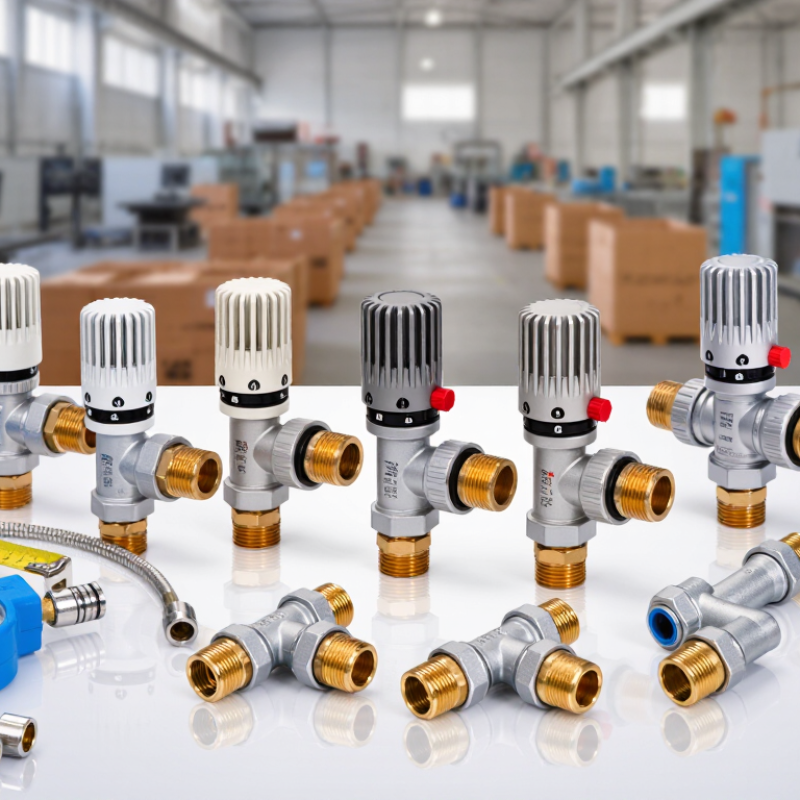
A thermostatic radiator valve (TRV) adjusts the hot-water flow through a radiator as room temperature changes. Its sensing head contains a temperature-responsive element, often wax or liquid. As the surrounding air warms, that element expands and presses a small pin inward. The valve then restricts water entering the radiator. When the room cools, the element contracts and allows more flow. The mechanism is gradual, not an instant on-off switch. That matters.
The dial sets a comfort target, but it is not a precise thermometer. A setting near the middle may suit one room and feel too warm in another. Direct sunlight, a nearby draft, or heavy curtains can affect what the sensor detects. Keep the valve head exposed to room air, and avoid covering it with furniture. After an adjustment, give the room time to respond; radiators and walls hold heat. If a radiator stays cold despite a higher setting, the valve pin may be stuck, though other heating issues are possible. The dial is a guide. Not magic.
Thermostatic radiator valves (TRVs) regulate radiator flow room by room. Common options include mechanical heads with wax or liquid sensors, remote-sensor models, and electronic programmable valves. A wax element expands as room air warms, pressing a pin into the valve body. Simple, but slow temperature changes can still feel noticeable.
A TRV typically includes a thermostatic head, valve body, sensing element, and adjustable pin. Check connection size, flow coefficient (Kv), pressure drop, operating temperature, and maximum working pressure against the heating system. EN 215:2019 specifies performance requirements and test methods for thermostatic radiator valves. The International Energy Agency reports that building operations account for roughly 30% of global final energy consumption. Room-level control matters, though a TRV cannot correct poor balancing or undersized radiators. That limitation is easy to miss.
Tips: Keep curtains and furniture clear of the sensor; trapped warm air can distort its reading. Compare the valve’s technical sheet with system conditions, not just the thread size. A careful match helps, but it is not a perfect fix.
China’s TRV manufacturing base links brass machining, thermostat-head assembly, seal production, and valve testing. Suppliers may differ in how tightly these steps are controlled. A precise body matters. So does a stable sensor response when room temperatures fluctuate. Buyers should examine material specifications, pressure tests, temperature calibration, and batch traceability—not just catalogue prices.
The UNEP Global Alliance for Buildings and Construction’s 2024 Global Status Report states that buildings used 32% of global energy and produced 34% of energy-related CO₂ emissions in 2022. This points to a strong efficiency challenge, though it is not a TRV market forecast. China’s manufacturing landscape is therefore best assessed through product performance and quality-control records, rather than production scale alone. Documentation can be uneven. Ask for recent test results and clarify how returned units are investigated.
Tips: Request sample valves from different production batches. Compare response times, thread dimensions, and leakage results. Confirm whether test conditions match your heating system; otherwise, a pass may mean little.
China’s TRV manufacturers serve heating projects with products ranging from basic manual valves to thermostatic models with replaceable sensor heads. Their capabilities often include brass-body machining, thread production, surface finishing, assembly, and leak testing. Ask how each factory controls these steps; a polished catalog alone proves little.
Some manufacturers can tailor connection sizes, temperature ranges, head styles, and packaging for project requirements. Others focus on standard configurations and larger production runs. Useful evidence includes dimensional drawings, material specifications, test procedures, and batch inspection records. Request samples, then check thread fit, adjustment smoothness, and response to changing room temperatures. Small details matter.
Quality can vary between suppliers, and stated capabilities may not cover every product line. This is easy to overlook. A factory’s experience with one valve design does not automatically establish performance across another. Compare test conditions and confirm what the warranty actually covers. I would also ask about spare sensor heads and replacement parts; this practical detail is sometimes missing from sales discussions. A careful review gives buyers a clearer picture of technical fit, production consistency, and support after delivery.
China Top TRV Radiator Valve Manufacturers?
How to Evaluate and Select a Chinese TRV Supplier
Choosing a Chinese thermostatic radiator valve supplier takes more than comparing unit prices. Define the operating conditions first: connection type, pressure range, water temperature, and expected flow rate. Ask how the valve body, seals, and sensing element are specified. These details affect fit, durability, and temperature control. Small details matter.
Request technical drawings, material information, and relevant test records for the exact model you plan to buy. Then order samples and install them on a representative radiator circuit. Check for leaks, smooth adjustment, and consistent response as room temperature changes. Record results across several units, not just one. No checklist catches everything.
Review how the supplier controls production changes, inspects batches, and traces components. Ask about sample approval, inspection criteria, packaging, spare parts, and realistic lead times. Clear, specific answers are more useful than broad promises. If possible, inspect the production process or arrange an independent assessment. A remote tour can help, but it cannot confirm every detail. Also test communication with a technical question before placing a large order. Slow or vague replies may signal support problems after delivery. Even a careful evaluation has limits; batch variation can still occur, so agree on acceptance criteria before production begins.