
What Are the Top Types of Crispy Bread Crumbs in 2026?

Crispy Bread Crumbs can change a dish with very little effort. A light coating adds crunch to baked fish, roasted vegetables, and casseroles. Yet not every crumb performs the same way. Panko flakes are airy and coarse, while traditional dry crumbs create a finer, more even crust. Fresh crumbs feel softer and work well as toppings, but they may brown differently in the oven.

In 2026, the top choice depends on the dish, cooking method, and ingredient list. Seasoned varieties bring herbs and savory flavor straight from the package. Whole-grain options offer a heartier texture, while gluten-free crumbs made from rice, corn, or other grains suit different dietary needs. Check the label: salt, oil, and crumb size can vary widely between brands. Small details matter.

This guide compares the main types by texture, flavor, and practical use. It also considers how crumbs hold up when baked, pan-fried, or sprinkled over a finished dish. There is no perfect ranking for every kitchen. A coarse panko crumb may be ideal for a crisp topping, yet too large for delicate vegetables. Even so, product descriptions do not always predict the result; testing a small amount can be more reliable. The sections ahead will help you match each style to the food you are preparing and choose with fewer surprises.
What Are the Top Types of Crispy Bread Crumbs in 2026?

What Crispy Bread Crumbs Are and How They Differ

Crispy bread crumbs are dried or toasted bread particles that create a crunchy coating or topping. Their texture depends on particle size, moisture, and browning. Fine crumbs make a smooth, even crust, while larger flakes leave visible edges and air pockets. Panko-style flakes often feel lighter; coarse crumbs make a thicker, louder crunch but may fall away when the coating is too thin. That matters.

USDA FoodData Central lists generic dry, plain bread crumbs at about 395 calories and 73 grams of carbohydrate per 100 grams. This is a composition reference, not a measure of crispness, and recipes vary. For cooking, check how quickly crumbs darken and whether their pieces stay crisp after resting. A toasted crumb may brown faster than a pale, untoasted one. The difference is easy to miss.

“Crispy” is not one exact category. Some crumbs are fine and dry; others are flaky, coarse, or pre-toasted. Seasoning can change flavor, but it does not guarantee a crunchier coating. The labels can blur, too: particle size and moisture often explain more than the name. A quick texture test in a dry pan helps, though it is not a perfect comparison.

The Main Types of Crispy Bread Crumbs in 2026

In 2026, crispy bread crumbs generally fall into a few useful types: panko, fine dry crumbs, coarse crumbs, and seasoned blends. Panko flakes are light and irregular, leaving fried fish or vegetables with a craggy, airy shell. The crunch is airy. Fine crumbs form a tighter, more even coating, which suits thin cutlets and small pieces that need consistent browning.

Coarse crumbs offer larger flakes and a firmer bite, especially on baked casseroles or roasted vegetables. They can turn golden quickly, so check the oven near the end of cooking. Small crumbs brown fast. Seasoned crumbs add herbs, garlic, or cheese, but their salt levels vary; taste the mixture before adding more. Plain crumbs give cooks better control over seasoning and work well in meatballs, stuffed vegetables, and crisp toppings.

Some options use whole-grain bread, while gluten-free varieties rely on alternative grains or starches. Their texture can differ noticeably, so test a small batch before coating a whole tray.

For extra crunch, press crumbs onto food after a light layer of egg or yogurt, then bake or pan-cook with enough oil to encourage browning. More coating is not always better; a thick layer may stay pale or detach. I still find that crumb size matters more than a fancy seasoning mix.

How Ingredients and Processing Shape Their Texture

Crispy bread crumbs are not one texture. Large, airy flakes—often made from low-moisture bread and baked with gentle heat—create a light, jagged crunch. Their open structure catches oil quickly, so they brown fast in a hot pan. Watch the heat. A thin coating can turn bitter before the center cooks.

Fine crumbs behave differently. Smaller particles pack closely around food, forming an even shell with a tighter bite. Their texture depends on the bread’s moisture, grind, and drying time. Longer drying usually makes crumbs brittle, but excessive heat can produce a hard, dusty coating. That difference is easy to miss until the first bite.

Coarse crumbs and seasoned blends offer another option. A rough grind leaves visible golden bits, while added herbs, cheese, or salt can deepen flavor and change how the coating browns. Ingredients matter: sugar encourages faster color, and oil-rich additions may soften crumbs during storage. For a crisp result, keep crumbs dry and apply them just before cooking. Still, “crisp” is subjective; a delicate flake may delight one eater and feel too fragile to another.

How Each Type Performs in Different Cooking Uses

What Are the Top Types of Crispy Bread Crumbs in 2026?

How Each Type Performs in Different Cooking Uses

Panko crumbs have large, airy flakes that create a jagged, crisp coating. They work especially well on oven-baked fish, chicken cutlets, and vegetables. A light spray of oil helps them brown evenly without deep-frying. Fine dry crumbs form a tighter crust, making them useful for meatballs, stuffed vegetables, or thin coatings on pan-fried foods. They absorb moisture quickly, though, so a heavy layer can turn dense.

Seasoned crumbs save prep time on casseroles and baked pasta, where their herbs and salt spread across the top. Check the seasoning before adding more salt; the balance can vary. Whole-grain crumbs bring a nutty flavor and a firmer bite. They suit roasted squash or baked chicken, but their coarser texture may overpower delicate seafood. No type wins everywhere. Even a well-browned coating can soften under sauce.

Tips: For a crisp coating, pat ingredients dry before breading and press crumbs on gently. Keep one hand for wet ingredients and one for dry crumbs. Bake on a rack when possible, so hot air reaches the underside. If crumbs brown too quickly, lower the heat slightly; timing still depends on piece size and oven behavior.

How to Choose and Store Crispy Bread Crumbs

Choosing crispy bread crumbs starts with the dish. Coarse panko-style crumbs create a light, craggy crust on baked fish or vegetables. Fine crumbs cling more evenly to meatballs and thin cutlets. Seasoned varieties save time, but check their salt level before adding more. Texture matters. If possible, rub a pinch between your fingers: it should feel dry and crisp, not soft or clumped. For gluten-free cooking, read the ingredient and allergen statements carefully; recipes and manufacturing practices differ.

Storage affects crunch as much as the crumb type. Keep opened crumbs in a clean, airtight container, away from steam, sunlight, and the warm spot beside the stove. Use a dry spoon, then seal the container promptly. Follow the package directions and date it when opened. Homemade crumbs need to cool completely before storage, or trapped warmth can create moisture. That detail is easy to miss.

For longer storage, freeze crumbs in a well-sealed, freezer-safe container and take out only what you need. Let them reach room temperature while still sealed, which helps limit condensation. Discard crumbs that smell rancid, show mold, or remain damp and clumped. I sometimes keep a small jar near the cooking area for convenience, but it loses crispness faster there. Convenience wins occasionally; the crumbs remind me.

What Are the Top Types of Crispy Bread Crumbs in 2026? - How to Choose and Store Crispy Bread Crumbs

Type Texture and Ingredients Good Uses How to Choose Storage Guide
Panko Large, light, flaky crumbs, commonly made from white bread. Coating foods for frying or baking; adding a crisp topping to casseroles and vegetables. Choose larger, dry flakes for a lighter, crunchier coating. Check the ingredient list if avoiding particular allergens. Keep dry panko in an airtight container in a cool, dry cupboard. Follow the package date and instructions; discard if damp, moldy, or unusual in smell.
Fine dry bread crumbs Small, evenly ground crumbs with a dry, compact texture. Binding meatballs or patties, coating foods evenly, and thickening some fillings. Choose plain crumbs when you want to control seasoning or sodium; look for a consistent, dry texture. Seal tightly after opening and store away from heat and moisture. Use the package guidance for best quality.
Seasoned bread crumbs Dry crumbs mixed with herbs, spices, and often salt. Quick coatings, baked dishes, and recipes that benefit from ready-made seasoning. Review the ingredient and nutrition labels, since seasoning and sodium levels vary. Adjust added salt in the recipe as needed. Store sealed in a cool, dry place and use according to the package directions. Keep utensils dry to prevent clumping.
Fresh bread crumbs Soft, moist crumbs made from fresh or day-old bread; usually less crisp until cooked. Moist fillings, meatballs, gratins, and toppings that brown during baking. Choose bread with a flavor and texture suited to the dish. For a crisp finish, toast the crumbs in a pan or oven before using. Refrigerate promptly in a sealed container and use soon, or freeze for longer storage. Thaw only the amount needed.
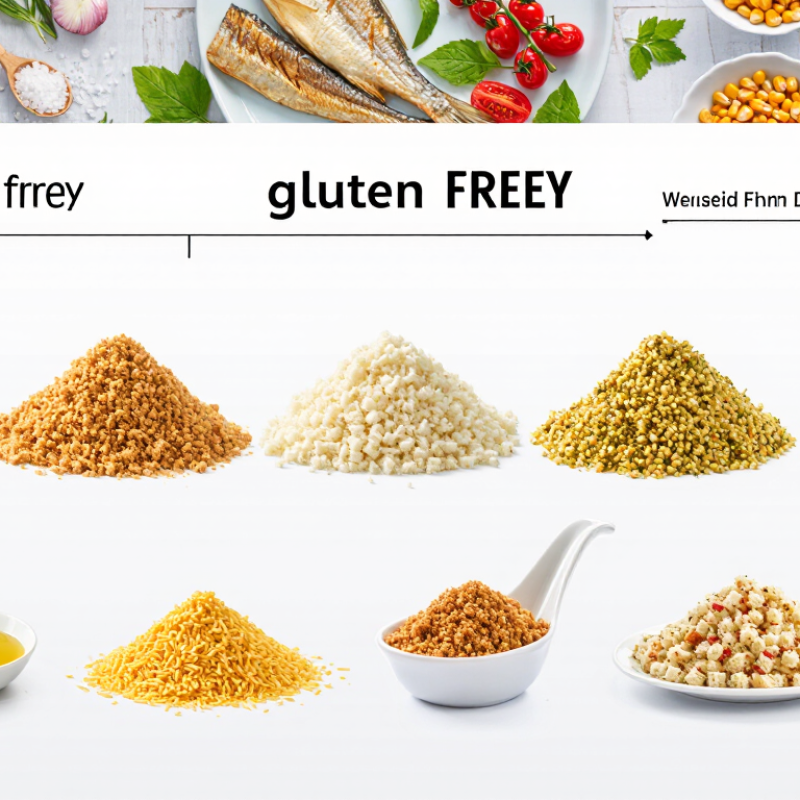
Gluten-free bread crumbs Crumbs made from gluten-free bread or other gluten-free ingredients; texture varies by recipe. Coatings, binders, and toppings when a gluten-free option is needed. Check the label for ingredients and cross-contact information, especially for people with celiac disease or a wheat allergy. Follow the package storage directions. Keep dry products airtight; refrigerate or freeze homemade fresh versions.

Storage tip: Moisture can make dry crumbs clump and lose quality. Keep containers tightly closed, use clean and dry utensils, and discard crumbs with visible mold or an off odor.

Back To Top