
What Are the Top Types of Custard Jelly for Buyers?

I can write the introduction, but no articles or verifiable expert quotation were provided. Naming an expert and inventing a quote would create a misleading attribution. Share a source or expert name, and I can produce the requested 200–300-word introduction with an accurate quotation.
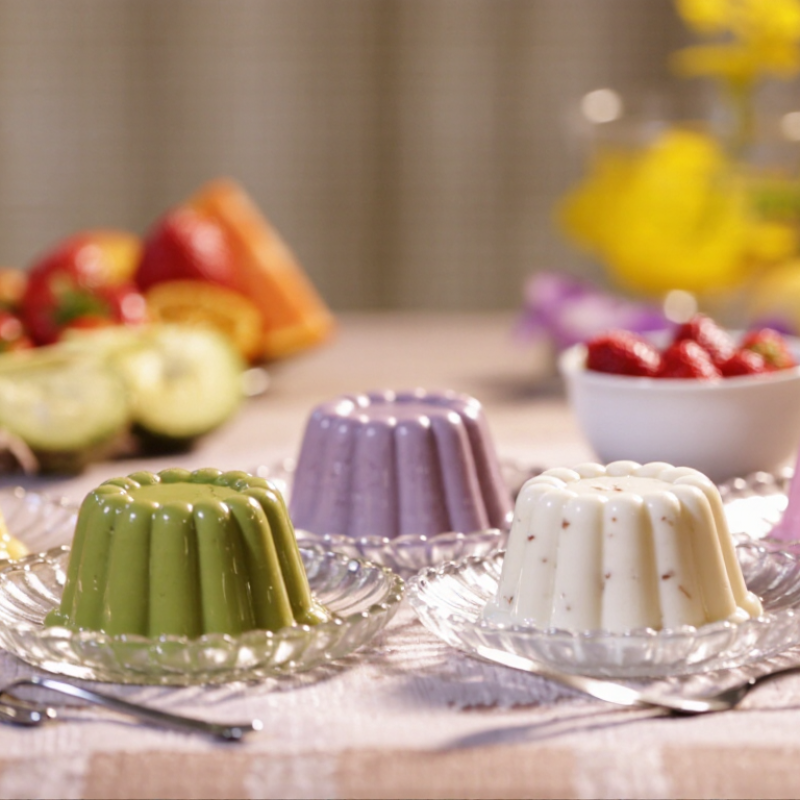
What Are the Top Types of Custard Jelly for Buyers?

What Custard Jelly Is and Which Ingredients Define It

Custard Jelly is a chilled dessert with a soft, spoonable set and a creamy custard character. Its texture may sit between silky pudding and a gently wobbly jelly. That distinction is easy to miss. Traditional custard flavor comes from milk or cream, sugar, and often egg yolk. The set can come from eggs, starch, gelatin, agar, or a blend, so the name alone does not reveal the recipe. Some versions contain no egg at all.

For buyers, the ingredient list is more useful than the dessert’s color or shape. Milk, cream, and egg can add richness, while starch often creates a thicker, more uniform bite. Gelatin usually gives a springier set; agar can feel firmer and less creamy. Recipes differ. Check the allergen information and serving instructions, especially if the product needs refrigeration. A spoon test helps, though it is not foolproof: a smooth surface can hide a dense or rubbery center. Look for a texture that holds its shape but yields easily, and consider whether the listed ingredients match your preference for dairy, eggs, or plant-based setting agents.

Classic Egg-and-Milk Custard Jelly

Classic egg-and-milk custard jelly pairs the familiar flavor of cooked eggs and milk with a cool, gently set texture. A good spoonful should feel creamy, not rubbery, with a mild vanilla note rather than a strong eggy smell. Some versions use gelatin; others rely on agar or a blended setting agent, so the ingredient list can explain differences in firmness. Look for clear storage instructions and check for egg and milk allergens. Simple details matter.

When comparing options, notice the surface and how the jelly holds its shape. A smooth, even top may suggest careful preparation, but appearance alone is not proof of quality. The texture can vary between batches, and a slightly soft set is not automatically a flaw. I find the balance worth considering: too much sweetness can hide the custard’s delicate flavor, while a very firm bite may feel less like dessert. Keep it chilled as directed, and serve it cold in a small glass cup. One caveat: labels do not always describe texture precisely, so tasting a small portion may be the clearest test.

What Are the Top Types of Custard Jelly for Buyers? - Classic Egg-and-Milk Custard Jelly

Custard Jelly Type Typical Ingredients How It Sets Texture and Flavor Common Serving Style Buyer Considerations
Classic Egg-and-Milk Custard Jelly Milk, eggs, sugar, and commonly vanilla Egg proteins thicken and set when gently heated; some recipes also use gelatin for a firmer set. Smooth, creamy, and mildly sweet, with a familiar egg-and-milk custard flavor. Chilled in a cup or unmolded onto a plate; often served plain or with caramel. Check the ingredient list for eggs, milk, and any added gelatin. Texture and firmness vary by recipe.
Baked Egg Custard Milk or cream, eggs, sugar, and optional flavorings Sets as egg proteins coagulate during baking, often in a water bath for gentler, more even heating. Tender and creamy; careful baking helps prevent a rubbery texture or curdling. Served in individual ramekins or as a larger custard, usually chilled or at room temperature. A good option for buyers who prefer a traditional egg-set custard without relying on gelatin.
Steamed Egg Custard Eggs, milk or water, and optional sugar or savory seasonings Egg proteins set under gentle steam rather than direct dry heat. Soft and delicate; a smooth result depends on gentle cooking and limiting trapped air. Typically served in a bowl or cup; versions may be sweet or savory. Check whether the product is a sweet dessert custard or a savory steamed egg dish.
Gelatin-Set Milk Custard Milk or cream, sugar, flavoring, and gelatin; egg may or may not be included. Gelatin forms the chilled gel; egg is not required for setting unless included in the recipe. More uniformly firm and jiggly than a custard set only with eggs. Chilled in individual portions or molded for serving. Read the label for gelatin source and egg content; gelatin is animal-derived unless a different gelling agent is specified.
Caramel Custard (Crème Caramel) Milk, eggs, sugar, and caramelized sugar Egg proteins set the custard during gentle baking; caramel forms a sauce when the dessert is unmolded. Silky custard with a distinct bittersweet caramel topping. Usually chilled, then inverted onto a serving plate. Choose this style if a caramel layer is desired; check for milk and egg allergens.

Recipes and commercial formulations vary. Check product labels for allergens, ingredients, and storage instructions.

Fruit-Flavored, Layered, and Plant-Based Custard Jelly

Fruit-flavored custard jelly suits buyers looking for a bright, familiar taste. Mango, strawberry, and citrus can pair well with a smooth custard base, but sweetness matters. A spoonful should taste fruity without hiding the dairy notes. Texture matters. When comparing samples, check whether the fruit flavor stays clear after chilling, since cold temperatures can dull sweetness and aroma.

Layered custard jelly adds visual appeal and contrasting textures. A clear fruit layer beside pale custard makes individual cups look inviting in a display case. Buyers should check that the layers hold together during transport and serving. If one layer turns watery, the product may look less appealing. A neat cross-section is useful, but it does not tell the whole story; taste and consistency still need a sample test.

Plant-based versions can broaden menu options for customers avoiding dairy, though recipes vary widely. Some use coconut, oat, or soy ingredients, each bringing a different flavor and mouthfeel. Check ingredient and allergen information carefully, and compare chilled samples rather than relying on appearance alone. Not every cup wins. I’d also allow for small texture differences between batches, especially when plant ingredients are involved.

What Are the Top Types of Custard Jelly for Buyers?

Fruit-Flavored, Layered, and Plant-Based Custard Jelly

This qualitative comparison shows which feature defines each product style: fruit flavor, visible layers, or a plant-based base. A score of 1 means the feature is indicated by the style label; 0 means the label does not specify it. Recipes can combine features, and the chart does not represent sales or market-share data.

How Texture, Packaging, and Shelf Life Vary

Custard jelly is not one uniform product. Cup-set varieties usually hold a neat shape, with a smooth surface that yields easily to a spoon. Softer, pudding-like types feel creamier, while layered versions add a firmer jelly or fruit section. Small differences matter. A sample that looks glossy may still feel too dense after chilling, so compare texture at the serving temperature you expect.

Packaging affects both convenience and protection. Individual cups are easy to portion and stack in a refrigerator, but their lids should remain firmly sealed. Pouches take less storage space and can suit quick snacks, though they may be harder to serve neatly. For either format, check for leaks, swelling, or damaged seals before buying. A dent is not always a problem, but a broken seal deserves attention.

Shelf life depends on the product’s ingredients, processing, packaging, and storage conditions. Do not assume every custard jelly can sit at room temperature; follow the package directions and date information. After opening, refrigerate it if instructed and use it within the stated period. That detail is easy to overlook. Buyers comparing bulk packs should also consider household pace: a longer printed date is less useful if the container is opened repeatedly or storage directions are unclear.

How Buyers Compare Custard Jelly Types for Their Needs

What Are the Top Types of Custard Jelly for Buyers?

How Buyers Compare Custard Jelly Types for Their Needs

Custard jelly types differ in texture, flavor, and best use. Egg-based custard is usually rich and soft, making it a good fit for dessert cups. Milk-based versions can taste lighter and feel smooth on the spoon. Fruit-layered jelly adds a brighter flavor and visual contrast, while plant-based options may vary more in firmness. Compare the ingredient list, sweetness, and serving style before choosing. A topping for bubble tea needs a different bite than a chilled dessert.

For buyers, consistency matters as much as flavor. Check whether each batch holds its shape after chilling and whether the pieces suit your serving equipment. A cube that looks neat in a sample cup may be awkward in a narrow straw. Review storage instructions and package sizes, too, especially when planning regular service. Test a small quantity first. A single tasting can miss changes in texture after opening; I have overlooked that detail before.

Tips: Compare samples at the temperature you plan to serve them. Taste them with your actual drink or dessert, not alone. Check texture, sweetness, and portion size. Small differences matter.

Article Source:

Back To Top