
What Is a Family Manual Toothbrush and How Does It Work?

A Family Manual Toothbrush is a simple, non-electric brush designed for everyday oral care at home. It usually has a handle, a compact head, and rows of nylon bristles. Some products are sold in family packs, while others use interchangeable heads or different sizes for children and adults. The name is not always used consistently, so checking the product details matters.

This guide explains how a Family Manual Toothbrush works inside the mouth. When the bristles move along the teeth, they disturb plaque, food particles, and bacteria near the gumline. Gentle pressure is important. Pressing too hard can irritate gums and wear enamel over time. A practical technique is to hold the brush at roughly a 45-degree angle, then use small, controlled movements. Two minutes is a useful target.

Small details make a difference. A child may need a smaller head and softer bristles. An adult with braces, sensitive teeth, or gum problems may need professional guidance. Each person should have an individual toothbrush. Sharing one can transfer saliva and unwanted germs. Replace the brush every three to four months, or sooner when the bristles bend outward.

It sounds simple.

However, brushing quality depends on consistency, technique, and personal dental needs. A manual brush does not automatically clean every difficult area. Flossing, fluoride toothpaste, regular dental visits, and honest self-checks still matter. This article considers both the practical strengths and the limitations of the Family Manual Toothbrush, helping readers choose and use it more thoughtfully.
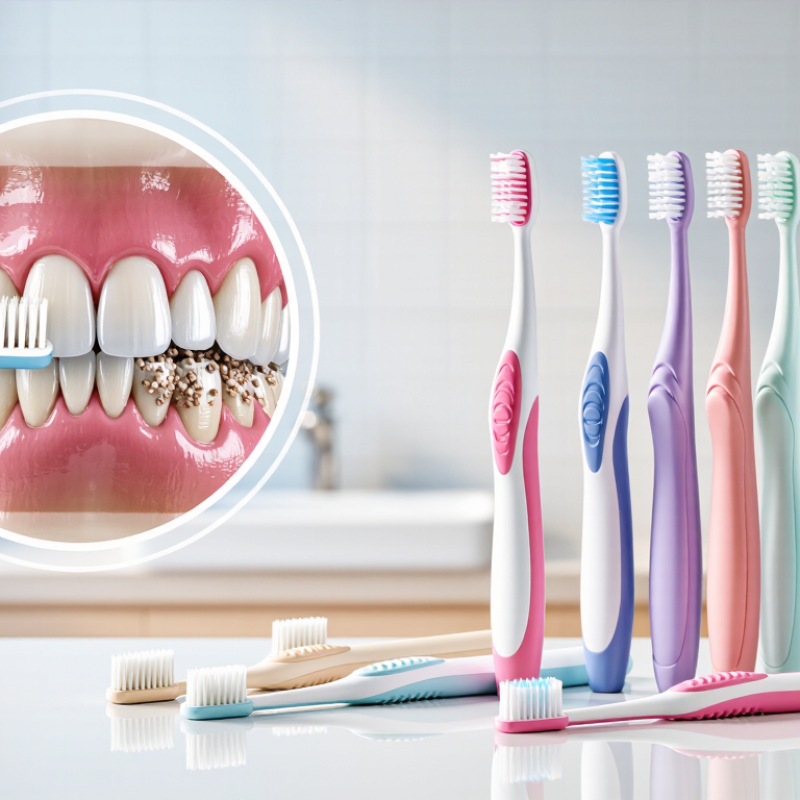
What Is a Family Manual Toothbrush and How Does It Work?

Definition and Purpose of a Family Manual Toothbrush

A family manual toothbrush is a non-electric toothbrush designed for use by several household members. Its purpose is to support daily tooth cleaning without batteries, charging, or electronic settings. The family feature usually means the toothbrush line offers different sizes, colors, or handle shapes. It does not mean family members should share one brush head. Each person needs an individual brush.

The tool works through controlled hand movement. Soft nylon bristles sweep along tooth surfaces and the gumline, while gentle pressure helps remove plaque and food particles. A small head can reach behind back teeth more easily, especially in a child’s mouth. An adult handle may provide better grip near a wet bathroom sink. Small details matter.

Use it twice daily with fluoride toothpaste, following advice from a dental professional. Move the bristles in short, gentle strokes rather than pressing hard. Heavy pressure can irritate gums and wear bristles quickly. Replace the brush when bristles bend, or about every three months. This timing is not perfect for everyone. Someone with heavy brushing pressure may need a replacement sooner. Rinse the brush thoroughly, let it air-dry upright, and keep it separate from other brushes. A family manual toothbrush is simple, but its results depend on technique, consistency, and choosing a suitable size for each user.

What Is a Family Manual Toothbrush and How Does It Work?

A family manual toothbrush is a non-electric toothbrush used individually by each household member. It removes plaque through repeated hand-controlled brushing, while the handle and bristles help reach the teeth and gumline.

The chart estimates weekly brushing sessions for different household sizes, based on the widely recommended routine of brushing twice a day. Each person should use their own toothbrush, brush for about two minutes per session, and replace the brush approximately every three to four months or sooner when the bristles become worn.

Key Components and Design Features

What Is a Family Manual Toothbrush and How Does It Work?

A family manual toothbrush usually combines one durable handle with separate, color-coded brush heads. Each person gets an individual head. That detail matters because sharing bristles can transfer saliva and microorganisms. The handle often includes a textured grip, a thumb rest, and a slim neck. These features improve control around molars and the gumline. A small head also reaches crowded areas more easily. The design sounds simple. It is not always perfect.

The key working component is the bristle arrangement. Soft, rounded nylon bristles clean plaque through controlled contact and short, gentle strokes. A flexible neck can reduce excessive pressure, although users still need to manage their own technique. The World Health Organization’s Global Oral Health Status Report 2022 estimates that nearly 3.5 billion people live with oral diseases. Better daily tools cannot solve every cause, but they can support consistent cleaning. The handle should also dry quickly, with smooth surfaces that leave fewer damp grooves.

Evidence needs careful reading. A Cochrane review on powered and manual toothbrushes found modest advantages for powered models, while manual brushes remained effective when used properly. That supports a practical conclusion: family design should improve routine use, not promise clinical miracles. In my experience, colored heads prevent mix-ups, especially beside a busy bathroom sink. Still, replacement timing can be overlooked. A family system needs visible storage and clear head changes. Convenience helps, but it can also create false confidence.

How a Family Manual Toothbrush Cleans Teeth

A family manual toothbrush cleans teeth through controlled contact between soft bristles and the tooth surface. When you move the brush, the bristles disturb plaque, food particles, and bacteria around the teeth and gumline. Toothpaste adds fluoride, which helps strengthen enamel and reduce the risk of cavities. The brush does not clean by spinning or spraying. Your hand supplies the movement.

Small circles work well on outer, inner, and chewing surfaces. Angle the bristles slightly toward the gumline, then use gentle pressure. Pressing too hard may irritate gums or wear enamel over time.

In practice, many people rush the back teeth, where plaque can remain near the molars. A simple two-minute routine gives each area more attention. Slow down there.

A family toothbrush can support shared household habits, but each person needs an individual brush. Children may need a smaller head and extra guidance. Replace the toothbrush when bristles bend, spread, or feel rough, usually every three months.

I used to think stronger scrubbing meant cleaner teeth; it did not. Technique matters more than force.

Even careful brushing can miss tight spaces, so floss or interdental cleaning may still be necessary.

Choosing the Right Brush for Each Family Member

Choosing one manual toothbrush for the whole family sounds practical, but mouths and hands are different. Each person should have a separate brush, never a shared one. The World Health Organization’s Global Oral Health Status Report 2022 identifies untreated tooth decay as a major worldwide burden. A suitable brush cannot solve every problem, but it can make daily cleaning more consistent.

For children, choose a small head, soft bristles, and a handle that fits a small hand. Adults usually need soft bristles and a head that reaches the back teeth without forcing the jaw open. People with braces may benefit from a narrow head and carefully angled brushing. Older adults need an easy-grip handle, especially with arthritis or reduced hand strength. Small details matter.

Very small changes help.

The U.S. Centers for Disease Control and Prevention reported that about 46% of adults aged 30 and older showed signs of gum disease during 2009–2012. That figure reminds families not to judge a brush by comfort alone. Replace it when bristles spread, or at least every three to four months, following professional dental guidance. I used to assume a firmer brush cleaned better. It did not; my gums became irritated. Families should reconsider comfort, pressure, age, and dental conditions during routine checkups, because one “family brush” design will not suit everyone.

What Is a Family Manual Toothbrush and How Does It Work? - Choosing the Right Brush for Each Family Member

Family Member Recommended Brush Size Bristle Design How It Works Recommended Use Replacement Guidance
Infants before teeth appear No toothbrush required; use a clean, damp cloth or an age-appropriate finger brush. Very soft, smooth cleaning surface. Gently wipes the gums and removes milk residue without scrubbing. Clean the gums gently once or twice daily, especially before bedtime. Wash and air-dry the cloth or brush after each use; replace it when worn or soiled.
Toddlers and preschool children Small head with a short, easy-to-grip handle. Extra-soft, rounded bristles. The small head reaches primary teeth while the soft bristles clean with minimal pressure. An adult should apply a small amount of fluoride toothpaste and supervise brushing twice daily for about two minutes. Replace about every three months or sooner if bristles become frayed.
School-age children Small to medium head with a handle suited to the child’s hand. Soft, end-rounded bristles arranged in compact rows. Short, gentle strokes loosen plaque along teeth and the gumline without damaging enamel. Brush twice daily for two minutes; an adult should check or assist until brushing is consistent. Replace every three months, after an illness, or when the bristles spread.
Teenagers Medium-sized head that can reach back teeth comfortably. Soft bristles; a compact or angled design may help clean around orthodontic appliances. Bristles sweep plaque from tooth surfaces, the gumline, and accessible spaces around brackets and wires. Use gentle pressure and a consistent two-minute routine twice daily; clean between teeth separately. Replace approximately every three months or more often if orthodontic wear damages the bristles.
Adults with healthy gums Medium-sized head with a comfortable, non-slip handle. Soft, end-rounded bristles. Gentle circular or short back-and-forth motions remove plaque while limiting excess pressure on enamel and gums. Brush all tooth surfaces twice daily for two minutes and clean between teeth once daily. Replace every three months or when the bristles show visible wear.
Adults with sensitive teeth or receding gums Small or medium head that allows precise control. Extra-soft bristles with rounded tips. A light touch cleans exposed areas while reducing mechanical irritation at the gumline. Use minimal pressure and avoid vigorous horizontal scrubbing; seek dental advice for ongoing sensitivity. Replace about every three months, or earlier if the soft bristles lose their shape.
Older adults or people with limited dexterity Medium head with a wide, cushioned, non-slip handle. Soft bristles with a compact profile for controlled movement. The larger grip improves control, while soft bristles clean effectively with small, manageable motions. Brush twice daily; a caregiver may assist, and an individualized dental-care plan may be helpful. Replace approximately every three months or whenever the handle or bristles become difficult to use.
How a family manual toothbrush works: A manual toothbrush uses hand-controlled movement to sweep soft bristles across tooth surfaces and along the gumline. The bristles loosen plaque, while toothpaste ingredients help clean and protect the teeth. Each family member should use an individually assigned toothbrush, because toothbrushes should not be shared.

Proper Use, Care, and Replacement Guidelines

What Is a Family Manual Toothbrush and How Does It Work?

A family manual toothbrush is a non-electric brush designed for daily cleaning. It uses bristles to loosen plaque from tooth surfaces and along the gumline. Each person should use a separate brush. Sharing can transfer saliva and unwanted microorganisms.

Choose a head that reaches the back teeth without forcing your mouth open. Soft bristles are usually safer for enamel and gums. A comfortable handle also improves control.

Use gentle, short strokes at about a 45-degree angle toward the gumline. Clean the outer, inner, and chewing surfaces for about two minutes. Let the bristles do the work. Pressing harder does not remove plaque better. It may irritate gums or wear enamel.

Rinse the brush thoroughly after use, then store it upright in an open area. Avoid sealed containers while the brush is wet. Moisture can encourage microbial growth. Many people brush quickly before bed, although nighttime cleaning deserves equal care.

Tips:

Replace the toothbrush every three months, or sooner when bristles bend, spread, or look worn. Replace it after an illness if the brush became heavily contaminated. Do not boil or microwave it. Those methods can damage the handle and bristles. Keep brushes separated, especially in shared bathrooms. Children may need supervision because chewing the bristles shortens brush life. If bleeding continues after gentle brushing, seek advice from a dental professional. A toothbrush cannot correct every gum problem.

Back To Top