
Why Choose a PE Waterproof Tarp?

When rain arrives without warning, a dependable cover can protect tools, materials, vehicles, and outdoor work areas. A Pe Waterproof Tarp uses woven polyethylene fabric with laminated surfaces to resist water penetration. Its practical value comes from more than the word “waterproof.” Fabric weight, seam construction, eyelet strength, UV resistance, and edge reinforcement all affect daily performance.

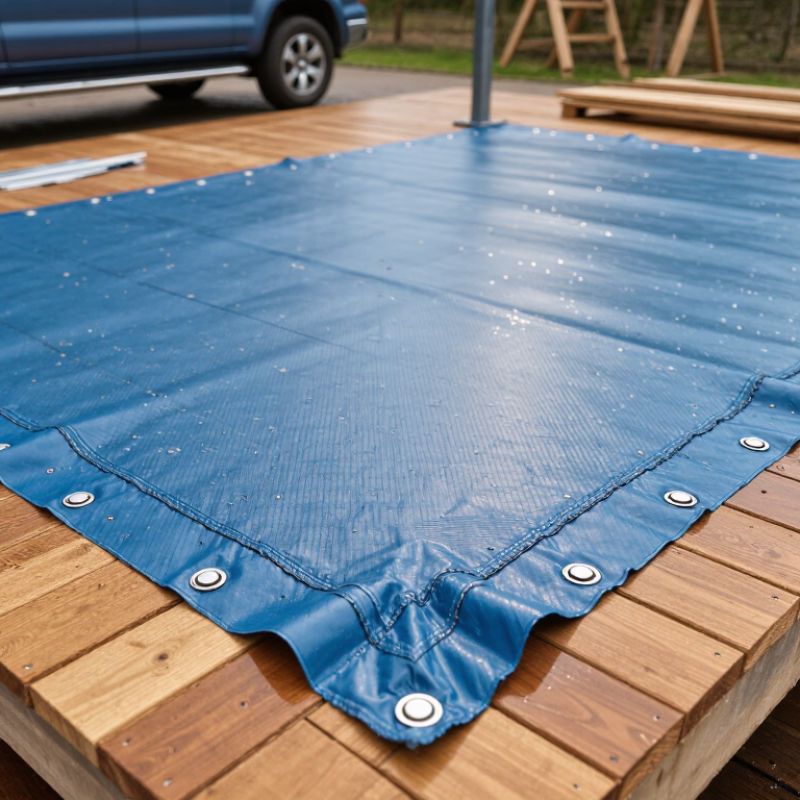
In real outdoor use, a suitable tarp should remain flexible during installation and stable under changing weather. Strong grommets help distribute tension across ropes or straps. Reinforced corners reduce tearing when wind pulls against the cover. A silver-coated surface may also reflect sunlight and reduce heat buildup beneath the tarp. Still, no cover performs perfectly in every condition. Sharp edges, standing water, poor anchoring, and repeated folding can shorten its service life. That detail is easy to overlook.

Choosing the right Pe Waterproof Tarp requires matching the material to the job. A lightweight sheet may suit temporary garden protection, while a heavier grade may better serve construction materials or transport covers. Check dimensions carefully, because advertised sizes can include the hem and reinforced borders. Inspect the tarp after storms, especially around eyelets and corners. Small damage should not be ignored.

Reliable protection depends on proper selection and careful use. Product specifications provide useful guidance, but practical inspection remains essential. A tarp is only as dependable as its weakest point. That may be the fabric, the stitching, or the anchor. Understanding these limits helps buyers make a more informed and responsible choice.
Why Choose a PE Waterproof Tarp?

What Is a PE Waterproof Tarp?

A PE waterproof tarp is a sheet made from polyethylene, a moisture-resistant plastic material. Many tarps use woven PE threads with laminated surfaces for added strength. This structure helps block rain, damp soil, and splashing water during outdoor work. It is not simply a plastic sheet. The fabric usually includes reinforced edges and metal or plastic eyelets for tying. Quality differs widely.

When I handle one, I check the weave, corner patches, and eyelet spacing before using it. A reliable tarp feels flexible, not brittle, even when folded in cooler weather. Its waterproof performance depends on sealed layers, tight stitching, and proper tension. Water can collect in a sagging center and slowly force through weak seams. That detail is easy to overlook. UV treatment also matters for long-term exposure, although no PE tarp lasts forever under strong sunlight.

PE tarps are useful for covering equipment, temporary shelters, garden materials, and construction supplies. Choose the size with extra overlap, rather than stretching it tightly over the load. A thicker tarp may resist tearing better, but it can be heavier to install. I have learned that “waterproof” should not mean “maintenance-free.” Inspect holes after windy weather and dry the tarp before storage. A careful fit often protects better than simply buying the heaviest option.

How PE Tarps Resist Water and Weather

Why Choose a PE Waterproof Tarp?

How PE Tarps Resist Water and Weather

A PE tarp’s woven polyethylene core gives water a difficult path through the sheet. A laminated surface adds another barrier, helping rain bead and run off rather than soak in. But the sheet is only part of the story. Stitching, seams, and eyelets can become leak points, especially when water pools or wind pulls the tarp tight. Small gaps matter.

Weather resistance also depends on sunlight exposure. ASTM D4329, a recognized plastics weathering test method, includes cycles combining ultraviolet light and condensation; one commonly used cycle runs eight hours of UV exposure at 60°C, followed by four hours of condensation at 50°C. This is a test condition, not a promise of years outdoors. A tarp’s service life still depends on its thickness, UV protection, installation, and local weather. Even a sturdy sheet can become brittle over time. That is the catch.

Tips: Stretch the tarp so rain can drain, but avoid pulling it sharply across corners. Check seams and eyelets after windy storms. When practical, store it dry and shaded between uses. A quick inspection can reveal wear before a small tear spreads.

Key Materials and Construction Features

Why Choose a PE Waterproof Tarp?

Key materials and construction features determine whether a PE waterproof tarp survives real outdoor work. Most durable tarps use woven high-density polyethylene (HDPE) tapes with a low-density polyethylene coating. The weave provides tensile strength. The coating blocks water through tiny gaps. PlasticsEurope reported global plastics production of 400.3 million tonnes in 2022, showing polyethylene’s extensive industrial use, but volume alone does not prove tarp quality.

Look closely at fabric weight, weave density, and coating consistency. A heavier fabric often resists tearing, although excessive weight can make handling difficult. Heat-sealed seams usually offer better water resistance than simple stitching. Reinforced corners matter too. A metal grommet can pull through weak fabric during a sudden wind gust. I have seen this failure start at one corner, then spread across the edge.

UV stabilizers slow brittleness under sunlight. They do not make polyethylene permanent. ISO 4892-3 provides methods for evaluating plastic exposure to ultraviolet light, while ISO 811 measures fabric resistance to hydrostatic pressure. These tests support comparison, not blind confidence. Actual performance depends on tension, drainage, temperature, and installation. Check whether the tarp includes welded hems, evenly spaced grommets, and clear test values. Small details decide service life.

Why Choose a PE Waterproof Tarp? Key Materials and Construction Features

Polyethylene is widely used for waterproof tarps because it has very low water absorption. Woven PE scrim provides tear resistance, laminated PE films improve water blocking, and heat-sealed seams help reduce leakage paths.

Approximate typical material-reference values for 24-hour water absorption. Actual tarp performance varies with fabric construction, coating thickness, seams, and test conditions.

Benefits for Outdoor and Industrial Use

Why Choose a PE Waterproof Tarp?
Benefits for Outdoor and Industrial Use

Outdoor work rarely happens under perfect conditions. A polyethylene waterproof tarp can cover lumber, garden equipment, or a temporary work area when rain arrives. Its woven reinforcement helps it handle routine pulling and folding, while the coated surface sheds water. After a storm, crews can wipe away mud and let the tarp dry before storage.

It is light enough for one person to move across a yard or loading area. Grommets along the edges make tie-downs practical on a trailer, fence, or stack of materials. In industrial settings, a tarp can shield pallets from brief exposure to rain and dust. That helps, though it does not replace suitable packaging or a permanent roof.

Check the edges. That is where wear often starts. Choose a size that leaves room for secure fastening, and avoid letting water pool in a sagging center. Sunlight, sharp corners, and repeated abrasion can shorten service life, even on a sturdy tarp. I have seen small tears grow when a loose corner keeps snapping in the wind. PE tarps are useful, not indestructible. A quick inspection before each use can catch damage before it spreads.

How to Choose the Right PE Waterproof Tarp

How to Choose the Right PE Waterproof Tarp

Start with the job, not the color. A tarp covering stacked firewood needs different strength from one protecting a garden table. Check the product’s thickness, fabric density, and reinforced edges; these details affect handling and resistance to tearing. Ask for test results, not just words like “heavy-duty.” ISO 811 describes a method for measuring resistance to water penetration, although it does not set one universal tarp rating. Useful to know.

Consider exposure and size. NOAA recorded 28 separate U.S. billion-dollar weather disasters in 2023, a reminder that outdoor conditions can shift quickly. That figure is not a tarp-performance test, but it supports planning for wind and heavy rain. Choose enough coverage to leave a modest overhang, then secure eyelets without pulling the material drum-tight. Wind can strain corners, especially when water pools on a sagging surface.

Look closely at construction. Heat-sealed seams, rust-resistant grommets, and reinforced corners can matter more than a small difference in color. For long-term sun exposure, ask whether the tarp has UV protection and how that claim was tested. A lighter tarp is easier to carry, but may wear sooner under repeated handling. There is no perfect choice; sometimes buyers focus too much on thickness and overlook fit, drainage, and storage. Store it dry when possible.

Why Choose a PE Waterproof Tarp? - How to Choose the Right PE Waterproof Tarp

Selection factor What to look for Why it matters Typical guidance
Material and construction Woven polyethylene fabric with a laminated coating on one or both sides The weave provides reinforcement, while the coating helps limit water penetration. Check the product description for material, coating, and construction details.
Fabric weight Weight stated in grams per square metre (gsm) Weight can help compare material coverage, but does not by itself establish strength or service life. Light-duty products are often around 60–100 gsm; heavier-duty options may be 150 gsm or more. Ranges vary by construction.
Water resistance Coated fabric, sealed or reinforced edges, and product-specific water-resistance information Water may enter through damaged areas, seams, or poorly secured edges even when the sheet is coated. For prolonged exposure, verify the manufacturer’s test information and protect the tarp from pooling water.
UV exposure UV-stabilized material and a stated outdoor-use rating, where available Sunlight can gradually weaken many plastic materials; UV protection may slow deterioration. For regular outdoor use, compare stated UV performance and expected exposure conditions.
Size and coverage Finished dimensions, including whether the listed size is cut size or usable size A tarp needs enough material to cover the load and allow for overlap and secure fastening. Measure the area to cover and allow extra material for draping and tie-down points.
Reinforcement and fastening Reinforced hems, grommets, and suitable spacing between tie-down points Wind and tension concentrate force around edges and fasteners, which can cause tearing. Choose fastening features suited to the tarp size and intended load; avoid overtightening.
Portability and reuse Folded size, handling weight, and ease of cleaning and storage A tarp that is easy to handle and store is more practical for repeated use. Clean and dry before storage, and keep away from sharp objects and prolonged unnecessary sun exposure.
Intended application Use case, exposure duration, weather, and risk of abrasion or puncture A suitable tarp depends on actual conditions; no single weight or feature is best for every job. Match the product to the task, such as temporary ground cover, equipment cover, or a weather barrier.

Specifications and performance vary with fabric construction, coating, workmanship, and use conditions. Check the product’s published details before purchase.

Back To Top