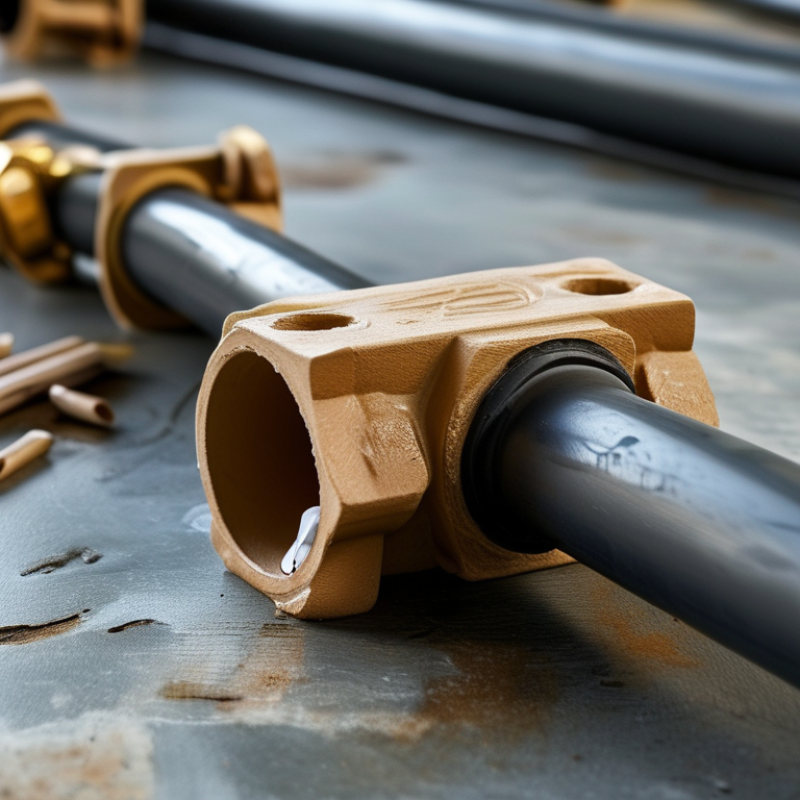
Why Choose Upvc Pipe Coupling for Your Plumbing Needs?
When considering plumbing solutions, the choice of materials is crucial. One option that stands out is the Upvc Pipe Coupling. It offers a versatile solution for connecting pipes efficiently. Made from high-quality PVC, these couplings are both strong and lightweight.
Many people overlook the importance of durable connections in plumbing. Upvc Pipe Coupling ensures a tight fit that prevents leaks. This reliability is essential for maintaining water pressure and avoiding costly repairs. Once installed, these couplings can last for decades with minimal maintenance.
Using Upvc Pipe Coupling also adds to your project's overall efficiency. Unlike metal alternatives, they resist corrosion and are not prone to rust. That means fewer issues in the long run. Choosing the right coupling is key to a successful plumbing system. Don’t underestimate the simple yet effective role of Upvc Pipe Coupling in your plumbing needs.
Understanding UPVC Pipes and Their Applications in Plumbing
UPVC pipes have gained popularity in modern plumbing due to their durability and resistance to corrosion. These pipes are made from unplasticized polyvinyl chloride (UPVC), a material known for its strength and flexibility. Research from the Plastic Pipe Institute indicates that UPVC pipes can last over 50 years in various conditions, making them a reliable choice for both residential and commercial plumbing applications.
One of the key advantages of UPVC is its lightweight nature, which makes installation easier and reduces labor costs. They are ideal for transporting potable water and can handle high pressure levels. A report by the Global Market Insights reveals that the demand for UPVC pipes is projected to grow at a CAGR of 5.7% from 2021 to 2027, emphasizing their increasing significance in the plumbing sector.
Tips: Always check for certifications when purchasing UPVC products. Ensure the pipes meet industry standards to guarantee quality and safety. Also, consider the compatibility of fittings and couplings to avoid leaks. Regular inspections can help identify any potential failures.
When choosing materials for plumbing, reflect on possible shortcomings. UPVC pipes can become brittle in extreme temperatures. Therefore, assessing your local climate is crucial. Understanding the specific needs of your plumbing project will ensure you make informed choices.
The Advantages of UPVC Pipe Couplings Over Traditional Materials
UPVC pipe couplings are gaining popularity due to their numerous benefits over traditional materials. Industry studies indicate that UPVC systems can last over 50 years when properly maintained. This longevity reduces the need for frequent replacements, saving both time and money for plumbing projects. Traditional materials, like metal, often corrode and degrade, leading to costly repairs.
In terms of weight, UPVC is significantly lighter than metal. This makes it easier to handle and install. A report from the Plastic Pipes Conference indicates that lighter materials can reduce installation costs by up to 30%. Furthermore, UPVC does not rust or corrode, ensuring a longer service life than steel or iron pipes. Coupled with low thermal conductivity, UPVC maintains the temperature of fluids effectively.
However, it is essential to recognize that while UPVC has many advantages, it is not immune to challenges. For instance, improper installation can lead to joint failure. Additionally, UPVC may not withstand extreme temperature variations as effectively as some metals. These factors warrant careful consideration during material selection and installation processes.
Key Features of UPVC Pipe Couplings That Enhance Durability
UPVC pipe couplings are increasingly favored in plumbing due to their outstanding durability. One key feature is their resistance to corrosion. Unlike metal pipes, UPVC does not rust. This ensures a longer lifespan and reduced maintenance, which means fewer repairs. These couplings can withstand exposure to water without degrading. They help maintain the integrity of plumbing systems.
Another important characteristic is their high tolerance to temperature changes. UPVC can handle varying heat levels without cracking. This is crucial in areas with extreme temperatures. The seamless joints created by UPVC couplings prevent leaks, further enhancing reliability. Users often find themselves reflecting on how easily these fittings can handle shifts in pressure, which minimizes the risk of breakage.
Moreover, the lightweight nature of UPVC makes installation easier. While this convenience is appealing, it raises questions about potential long-term impact. Some worry about the strength compared to heavier materials. However, countless installations have shown that when fitted properly, they perform as expected. Overall, UPVC pipe couplings offer a practical solution for modern plumbing needs.
Installation Techniques for Efficient Use of UPVC Pipe Couplings
When opting for UPVC pipe couplings, installation techniques play a crucial role. Proper alignment of the pipes ensures a secure connection. Misalignment can lead to leaks or breakage. It's essential to measure the pipes accurately before beginning installation. Use a pipe cutter for clean cuts, minimizing rough edges.
Once you have your pipes ready, apply solvent cement uniformly on both the coupling and the pipe. This ensures a strong bond. It’s easy to apply too much cement, which can lead to dripping and excess pooling. Keep a cloth handy to clean any mess. After joining, hold the pieces together for at least 30 seconds.
Hydrostatic pressure testing is important. This step checks for any leaks after installation. It might seem unnecessary, but even a small leak can cause problems down the line. If a leak is detected, the joint needs to be redone. Remember, patience is key in this process. Taking time to do it right will serve your plumbing needs well.
Maintenance Tips for Prolonging the Life of UPVC Plumbing Systems
Maintaining UPVC plumbing systems is essential for longevity. Regular checks can help prevent costly repairs. Inspect joints and connections for leaks. Even small drips can lead to bigger problems. Keep an eye on the pressure in your pipes. High pressure can stress the system and cause failures.
Cleaning is crucial too. Use non-corrosive cleaners to avoid damaging the UPVC. A buildup of grime or scale can hinder flow. Also, mind the environment around your pipes. Excessive heat or cold can affect their integrity. Insulating exposed pipes can mitigate this risk.
It's important to remember that not all DIY fixes work. Sometimes, a professional’s touch is needed. Ignoring signs of wear can lead to bigger hassles. Being proactive is better than waiting for disaster to strike. Regular maintenance ensures your UPVC plumbing serves you well for years.
Why Choose Upvc Pipe Coupling for Your Plumbing Needs? - Maintenance Tips for Prolonging the Life of UPVC Plumbing Systems
| Dimension | Description | Maintenance Tip | Lifespan |
| 1/2 Inch | Ideal for small plumbing projects. | Regularly check for leaks. | 25 years |
| 3/4 Inch | Suitable for residential use. | Avoid exposing to direct sunlight. | 30 years |
| 1 Inch | Commonly used in irrigation systems. | Use non-corrosive fittings. | 35 years |
| 1.5 Inch | For larger commercial applications. | Inspect regularly for physical damage. | 40 years |
| 2 Inch | Used for high-volume drainage systems. | Keep connections clean and tight. | 50 years |