
Why Choose System Windows for Global Buyers?

For global buyers, choosing System Windows is rarely only about appearance. It is a decision shaped by climate, building design, energy costs, and long-term maintenance. A slim white frame may look attractive online, yet performance depends on glass, seals, hardware, and installation quality. In humid coastal regions, corrosion resistance matters. In colder cities, thermal breaks and double or triple glazing can reduce interior heat loss. Small details matter.

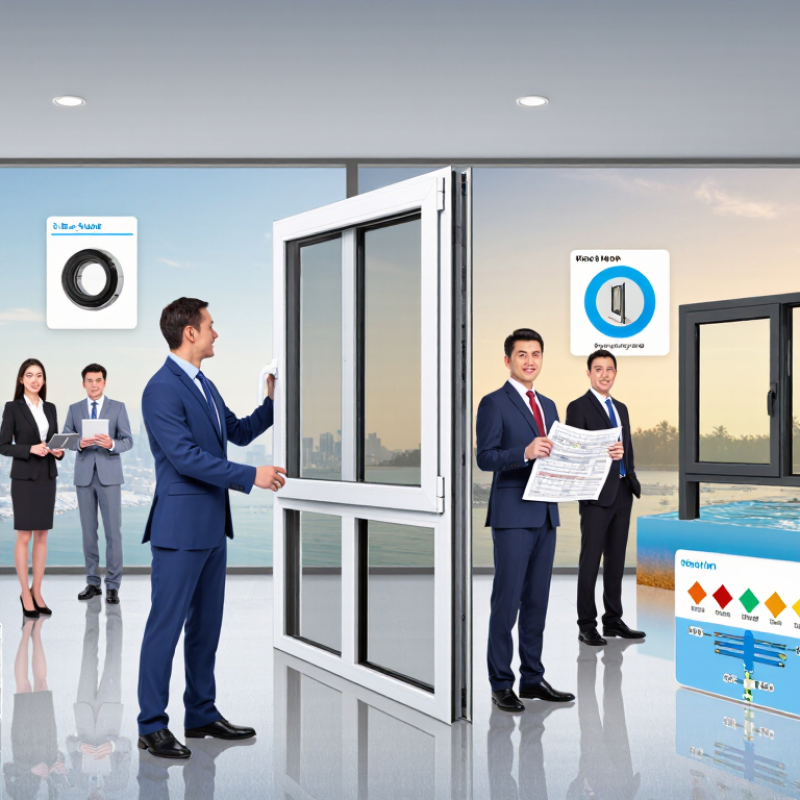
Experienced buyers usually request test reports, product drawings, material specifications, and warranty terms before placing an order. These documents help compare U-values, air leakage, water resistance, wind-load performance, and acoustic insulation. Reliable suppliers should explain which standards their products follow and where testing occurred. They should also clarify packaging, lead times, replacement parts, and technical support after delivery. A sample corner or operating unit can reveal more than polished photographs. It is worth checking the handle, gasket, drainage path, and frame finish by hand.

System Windows can offer practical flexibility for apartments, villas, offices, and commercial projects across different markets. However, no window system suits every wall, climate, or budget. Local codes, opening sizes, ventilation needs, and installer skills may change the final choice. Some claims sound impressive but remain difficult to verify. A careful buyer should question unclear data and compare real project references. The strongest decision balances certified performance with honest expectations, responsive service, and a realistic maintenance plan. Good windows are not simply purchased; they are specified, installed, and reviewed over time.
Why Choose System Windows for Global Buyers?

Understanding System Windows and Their Global Market Role

Why Choose System Windows for Global Buyers?

Understanding System Windows and Their Global Market Role

A system window is not simply glass placed inside a frame. It combines profiles, glazing, seals, drainage paths, and operating hardware. Each part must work with the others. This integrated design helps buyers assess performance more accurately than comparing glass thickness alone.

In site reviews, installers often check frame alignment, seal compression, and drainage openings before final fitting. Small errors can cause air leakage, water entry, or difficult operation.

A reliable system includes clear installation guidance and replacement information. This matters when a project crosses borders and local service teams may not know the product immediately.

Global markets also demand flexibility. Cold regions may prioritize thermal insulation, while coastal areas need stronger resistance to moisture and salt exposure. High-rise projects may require tested wind performance and controlled ventilation. Different countries also apply different building standards, energy targets, and safety expectations. Buyers should request test reports, technical drawings, and performance data for the intended climate.

A Practical Approach to Global Window Selection

No system fits every market perfectly. That is an important limitation. Some advanced configurations may increase cost, shipping volume, or installation time. A practical buyer compares the complete supply chain, not only the quoted unit price. Clear communication about tolerances, packaging, hardware, and after-sales support can prevent expensive misunderstandings. The best choice is often the system that local teams can install correctly and maintain for years.

Key Features That Matter to International Buyers

Why Choose System Windows for Global Buyers?

International buyers need more than attractive frames. They need measurable performance. The U.S. Department of Energy reports that windows can cause 25–30% of residential heating and cooling energy use. This makes U-value, solar heat gain coefficient, and air leakage essential specifications. Lower U-values usually improve insulation. However, excessive solar control may reduce useful daylight in colder regions. Climate must guide the decision.

System windows also need dependable hardware, stable thermal breaks, and suitable glazing. Double glazing may fit moderate climates, while triple glazing can support colder projects. Acoustic performance matters near airports, railways, and busy roads. Safety glass, drainage design, corrosion resistance, and tested wind loads deserve equal attention. The International Energy Agency’s 2023 buildings report shows that buildings remain responsible for around 30% of global final energy demand. Window performance is only one part, but it is a visible and practical one.

Tips: Request test reports, not only catalog claims. Check the declared U-value, air leakage class, water tightness, and wind resistance. Confirm whether results apply to the complete window system. Review installation details with local professionals. A high-performing window can fail through poor sealing. That is an uncomfortable but common weakness. Buyers should also verify certification recognition in the destination market. Standards differ, and one document may not satisfy every authority.cuntegn

Why Choose System Windows for Global Buyers? - Key Features That Matter to International Buyers

Performance Dimension Typical International Benchmark Why It Matters to Global Buyers Common Reference Standard
Whole-Window Thermal Transmittance Approximately 0.8–1.6 W/m²·K for many modern insulated window configurations; lower values indicate better insulation. Helps reduce heating and cooling loads and supports compliance with regional energy-efficiency requirements. ISO 10077-1; local building energy codes
Glazing Configuration Double glazing is widely used; triple glazing can provide lower U-values in cold-climate projects. Low-emissivity coatings and inert-gas cavities are common energy-saving options. Allows buyers to select a configuration suited to cold, hot, mixed, or high-noise climates. EN 1279; ISO 52022 series
Air Permeability Classes 1–4 under the European classification system; Class 4 represents the highest standard classification. Good airtightness improves indoor comfort, reduces drafts, and limits uncontrolled energy loss. EN 12207
Watertightness Classifications generally range from 1A to 9A, with higher classes indicating resistance to greater test pressures. Important for monsoon regions, coastal locations, exposed façades, and buildings with driving rain. EN 12208
Wind Load Resistance Classifications use pressure classes 1–5; additional letters may describe deflection limits. Project design pressure must be calculated for the building location. Supports safe use in high-rise buildings, open terrain, coastal zones, and areas exposed to strong winds. EN 12210; local wind-load codes
Solar Heat Gain Solar factor, or g-value, is expressed from 0 to 1. Lower values generally reduce solar heat entering the building, while higher values allow more passive solar gain. Enables climate-specific design: lower solar gain for hot climates and balanced solar gain for colder regions. EN 410; ISO 52022 series
Visible Light Transmittance Reported as a percentage or decimal value; clear insulated glazing commonly provides substantial daylight transmission, depending on coatings and glass layers. Affects daylight availability, interior comfort, and potential dependence on artificial lighting. EN 410
Sound Insulation Acoustic performance is reported as Rw in decibels. Enhanced acoustic glazing and laminated glass can improve performance, but the complete installed window must be tested. Helps address traffic, airport, railway, commercial, and dense urban noise conditions. EN ISO 10140; EN ISO 717-1
Security Resistance Resistance classes RC1–RC6 are defined for different attack methods and durations; residential projects commonly specify a class according to risk assessment. Provides a consistent way to compare frame, hardware, glass, and locking-system security. EN 1627–EN 1630
Frame Material and Thermal Break Thermally broken metal frames use an insulating section between interior and exterior parts to reduce heat transfer and condensation risk. Supports slim sightlines, structural strength, and improved thermal performance in demanding projects. EN ISO 10077-2; EN 14024 where applicable
Durability and Operating Cycles Windows are tested for repeated opening and closing, mechanical strength, and resistance to operational loads; the required cycle level depends on product type and project use. Important for hotels, offices, schools, hospitals, and other high-frequency-use buildings. EN 1191; EN 12400
Global Compatibility and Documentation A suitable system should provide declared performance values, installation details, dimensional tolerances, maintenance instructions, and test reports relevant to the destination market. Clear documentation simplifies approval, customs coordination, installation, inspection, and long-term maintenance across different countries. Project specifications; applicable national and regional regulations

Note: The performance ranges and classifications are general industry reference values. Final results depend on the complete window size, frame, glazing, hardware, installation method, and local building requirements.

How System Windows Support Energy Efficiency and Comfort

Why Choose System Windows for Global Buyers?

System windows can improve comfort when their components work as one unit. Thermally broken frames reduce cold bridges around the opening. Low-emissivity glass helps retain indoor heat during winter. Solar-control glazing can limit overheating in intense summer sunlight. Better seals also reduce drafts, dust, and outdoor noise.

The International Energy Agency reports that buildings use about 30% of global final energy. They also produce roughly 26% of energy-related emissions. These figures explain why window performance matters beyond appearance. In real projects, installers must check wall orientation, climate, glazing, frame depth, and ventilation together. A high-performance window cannot correct poor installation. Results can disappoint. Incorrect drainage or compressed seals may create moisture problems within months. Buyers should request tested U-values, air-permeability results, and installation guidance for the target climate. Standards and test methods also vary between regions, so direct comparisons need care.

Tips: Choose glazing for local weather, not just the lowest price. Ask for whole-window performance data, not glass-only figures. Inspect corner joints and seals before acceptance. Keep ventilation paths clear after installation. Small details matter.

Surveys from field projects often reveal a practical gap between laboratory ratings and daily comfort. Occupants may still feel glare beside a well-insulated window. External shading, curtains, and sensible ventilation remain important. Energy savings also depend on heating controls and user habits. That part is easy to overlook.

Evaluating Materials, Standards, and Installation Requirements

Why Choose System Windows for Global Buyers?

Material selection should begin with the project climate, not appearance. Aluminum frames suit large openings and resist moisture, but they need thermal breaks in cold regions. uPVC offers strong insulation and low maintenance. Timber provides warmth, yet it demands careful sealing and regular inspection. Composite frames can balance durability and insulation, though their repair methods may be less familiar.

Check frame sections, gasket quality, drainage paths, and glass specifications before comparing prices. A lower purchase price can hide higher maintenance costs.

Standards must match the destination market. Review requirements for thermal performance, air leakage, water penetration, wind pressure, safety glazing, and fire behavior. Test reports should identify the exact frame, glass, hardware, and installation method.

Generic certificates are weak evidence. Ask for current documents and verify the testing laboratory. Climate data also matters. Coastal buildings may need stronger corrosion protection, while high-altitude sites can require different pressure considerations. Local rules can override a supplier’s standard design.

Installation often decides whether good materials perform well. Confirm opening dimensions, sill levels, anchor spacing, insulation gaps, flashing, and interior seals. Leave movement allowances for temperature changes. Protect drainage holes from mortar and debris.

Small errors matter. On site, installers should record photos and measure completed frames. However, no checklist catches everything. We have seen drawings fit perfectly, but uneven masonry changed the installation sequence. A practical contingency plan is essential. Local supervision, clear tolerances, and a written handover record improve reliability for global projects.

Choosing the Right System Windows for Different Regional Needs

Why Choose System Windows for Global Buyers?

Choosing the right system windows requires more than comparing prices or frame colors. Climate changes the answer. The U.S. Department of Energy reports that windows can cause 25–30% of residential heating and cooling energy use. In cold regions, buyers should prioritize low U-values, insulated frames, and airtight seals. In hot climates, lower solar heat gain can reduce indoor temperatures and cooling demand. A large glass wall may look impressive, but it can perform poorly without external shading.

In cold regions, buyers should prioritize low U-values, insulated frames, and airtight seals.

Regional standards also shape the specification. European projects commonly assess Uw values and solar factor, while North American buyers often review U-factor and Solar Heat Gain Coefficient. Australia’s National Construction Code uses climate zones, reflecting major differences between tropical, temperate, and alpine locations. The International Energy Agency’s Buildings report states that buildings represented about 30% of global final energy demand in 2022. Window selection therefore affects both comfort and operating costs.

Site conditions deserve equal attention. Wind exposure, rainfall, noise, orientation, and installation quality can change performance. A technically excellent window may fail when fitted around uneven masonry. That is an uncomfortable point. Buyers should request verified test data, compatible glazing options, and installation guidance for their region. Lower U-values are not always better in sunny climates. Practical design needs balance, not just impressive numbers.

Article Source:

Back To Top