Choosing gym flooring tiles is not just a color decision. The right surface can reduce noise, protect concrete, and feel steadier under a loaded bar. The wrong one may shift, compress, or trap sweat between seams.
This guide compares tile types for home gyms and busy training spaces. It looks at rubber, foam, and interlocking options, with attention to thickness, density, grip, cleaning, and installation. A heavy dumbbell landing on a thin tile tells you more than a product photo does. So does a damp corner after a week of workouts.
One detail deserves care: without a cited interview or article, I can’t reliably attribute a direct quotation to a named gym-flooring expert. A made-up quote would weaken the trust this guide should earn. Instead, we’ll focus on practical criteria and clearly distinguish product claims from considerations you can check yourself.
Expect trade-offs. Thicker tiles may cushion impact, but they can feel less stable beneath weight benches. Dense rubber often suits strength training, yet its smell and cost can bother some buyers. No single tile fits every room. Start with your equipment, subfloor, and training style. Then compare the options closely.
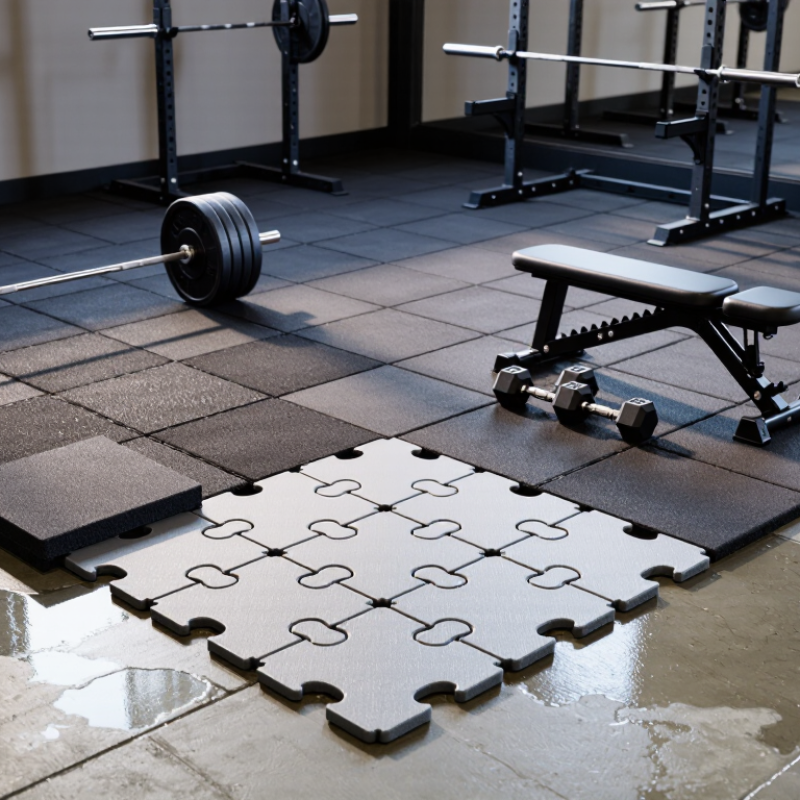
Gym flooring tiles are modular surfaces placed over concrete, wood, or other existing floors. They are commonly made from rubber, foam, or layered materials. Their purpose is practical: add grip, soften foot contact, and create a more suitable surface for exercise. Tile thickness and density matter. Thin foam may feel comfortable during stretching, but can compress under heavy equipment.
Tiles help protect both the room and the people using it. Rubber can reduce scratches, dents, and vibration from dropped weights, while textured surfaces may improve footing during fast movements. Softer tiles can cushion kneeling and floor exercises. They are not a guarantee against injury, though; stability, suitable footwear, and safe lifting habits still matter. Seams can also shift or collect dust, especially on uneven floors. That small issue is easy to overlook.
Tips: Check the subfloor before installation, and choose tiles that fit the activity. Test a sample under a bench or dumbbell if possible. Wipe spills promptly, and inspect edges for gaps. I would avoid assuming that thicker always means better; a stable, firm surface may serve strength training better than extra softness.
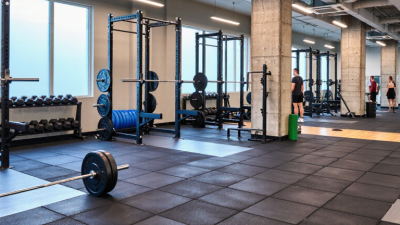
Gym flooring tiles should match the workouts, weights, and subfloor they will actually face. For heavy lifting, look for dense rubber that resists dents and cushions dropped equipment. For bodyweight training or stretching, a softer surface may feel more comfortable under knees and hands. Thickness matters, but it is not the whole story. A thick, low-density tile can compress more than a thinner, firmer one. Ask for clear specifications on material, density, and intended use. Fit matters. Interlocking edges should stay joined during lateral steps, while cut edges should sit neatly against walls and equipment.
Consider grip, cleaning, and indoor air quality, too. A textured surface can help with traction, but deep grooves may hold dust and sweat. Check the maker’s care guidance and allow suitable ventilation if new tiles have a noticeable odor. Measure the room carefully, including door swings and floor drains. A practical test is to place sample tiles on the actual subfloor and walk, pivot, and set down a weight. I would not assume a single tile suits every zone; that can be an expensive shortcut. Also inspect the floor underneath, since uneven concrete or dampness can affect fit and durability. Small details count.
There is no single best tile for every gym. The comparison below summarizes common flooring types and typical uses; thickness, performance, and installation details vary by product. Check the manufacturer’s specifications for the exact tile you are considering.
| Tile type | Common construction | Typical thickness options | Best suited to | Main advantages | Important limitations | What to check before buying |
|---|---|---|---|---|---|---|
| Recycled rubber | Rubber granules bound into dense tiles | Commonly around 3/8–3/4 in; thicker options are available | Home gyms, weight areas, and general strength training | Durable, grippy, and more resistant to dents than soft foam; helps reduce noise and vibration | Can have a noticeable rubber odor when new; heavy impacts may still require a thicker, purpose-built surface | Tile density, odor and emissions information, edge fit, cleaning guidance, and the intended load or use |
| High-density rubber | Dense rubber, which may be made from virgin rubber or a rubber blend | Often offered in roughly 1/2–1 in thicknesses | Free-weight areas and gyms where a firmer, durable surface is preferred | Firm underfoot and generally well suited to repeated equipment use | Heavier and often more expensive than foam; cushioning and impact protection still depend on thickness and construction | Material composition, thickness, surface texture, weight, and whether the floor beneath it needs protection |
| EVA foam | Closed-cell ethylene-vinyl acetate foam, commonly sold as interlocking tiles | Commonly around 1/2–1 in | Bodyweight workouts, stretching, yoga, and light-use home exercise areas | Lightweight, cushioned, easy to cut, and simple to install or move | Can compress, dent, or separate under heavy equipment; not a first choice for dropped weights | Foam density, compression resistance, interlocking fit, surface grip, and compatibility with equipment feet |
| PVC or vinyl interlocking tiles | Rigid or semi-flexible polyvinyl chloride (PVC), sometimes with a textured surface | Varies by design; many options are thinner than rubber or foam tiles | Multi-use rooms, light training, and spaces where a wipe-clean surface matters | Easy to clean and available in surfaces designed for different levels of grip | Performance varies widely; thinner tiles may offer limited cushioning or protection against heavy impacts | Slip resistance, seam stability, load limits, cleaning instructions, and suitability for the type of exercise planned |
| Rigid polypropylene modular tiles | Molded plastic tiles, often with a raised or ventilated underside | Varies by tile design and profile | Garages, multipurpose spaces, and installations where drainage or airflow below the tile is useful | Rigid, modular, and often easy to lift for access to the floor below | Harder and less cushioned than rubber or foam; seams and raised profiles may not suit every exercise | Load capacity, surface texture, tile-locking system, floor flatness, and whether the surface is appropriate for bare feet or floor work |
| Rubber-foam composite | Layered or bonded construction combining rubber with a softer cushioning layer | Product-specific; compare the total thickness and layer construction | General fitness areas seeking a balance of firmness and cushioning | Can combine a more durable top surface with added cushioning | Construction and performance differ substantially across products; seams or layers may be vulnerable if poorly made | Top-layer material, bond quality, compression behavior, edge design, and the manufacturer’s intended-use guidance |
Gym flooring tiles differ most in density, cushioning, grip, and maintenance. Rubber tiles are dense and steady under dumbbells or weight racks. Their heavier feel helps them stay in place, though textured surfaces may collect chalk and dust. They can also have a noticeable odor when new. Ventilation helps.
EVA foam tiles feel softer underfoot and are easy to cut or move. That matters. They suit stretching, bodyweight workouts, and light training, but can compress under heavy equipment. PVC tiles often have a smooth, wipe-clean surface and offer varied textures. Check the product’s intended use, since some options may feel slick when wet. Thickness alone does not guarantee impact protection; density and installation matter too. I’d compare those details before judging a tile by appearance.
Tips: Match the tile to the activity. For free weights, look for dense rubber and a firm, level base. For floor exercises, softer foam may feel kinder on knees. Leave room for edges to expand if the instructions require it, and test a small area for odor or slipping. No material is perfect; that trade-off is easy to overlook.
Choosing gym flooring tiles starts with the room’s actual loads, not a universal “best” product. ACSM’s 2025 Worldwide Survey of Fitness Trends ranked traditional strength training fifth among surveyed trends. That supports planning for lifting areas, though the survey measures trends—not flooring performance. Use dense, firm rubber tiles beneath racks and dumbbells; softer foam can compress, wobble, or tear under concentrated loads. Keep seams tight. For sled work, turf is often more practical than rubber alone, but it needs space for straight runs and can collect dust. In small studios, rubber usually offers easier cleaning and more flexible layouts.
Low-impact classes and mobility rooms need a different feel. Choose resilient, slip-resistant surfaces, then test them in the shoes used during class; sweat and cleaning residue can change grip. ASTM F2772 sets performance criteria for indoor sports floors, but it is not a simple tile-shopping scorecard. For home gyms, check subfloor flatness, tile thickness, and load guidance before covering the whole room. A sample patch helps. Tile edges may lift on uneven concrete, and interlocking seams are not automatically waterproof. That trade-off is easy to miss. Match the surface to the heaviest repeated movement, then check cleaning needs and replacement access.
Choose gym flooring tiles by matching them to the work happening above them. For free weights, check the tile’s compression and load-test data, not just its thickness. Dense rubber can resist dents, while thinner tiles may suit light training areas. For cardio zones, prioritize stable footing and secure seams. Fit matters. Measure the room, note door clearances, and test a sample for odor and grip before ordering. IHRSA’s 2024 Global Report counted 72.9 million U.S. health-club members in 2023, a reminder that busy facilities need surfaces built for repeated use. That figure cannot predict traffic in your gym, though; local use matters more.
For upkeep, sweep grit daily because small particles can abrade tile surfaces and collect in joints. Wipe sweat promptly with a mild, floor-compatible cleaner, then let the area dry. Avoid soaking the seams or using harsh solvents unless the tile instructions allow them. Monthly, inspect edges and heavy-load spots for lifting, gaps, or permanent dents. Check the subfloor if moisture or odor persists. No tile is maintenance-free. Extra-soft flooring may feel comfortable, but heavy equipment can leave lasting marks; a firmer surface may be less forgiving during floor exercises. There is no perfect choice, only a better fit for the room and routine.