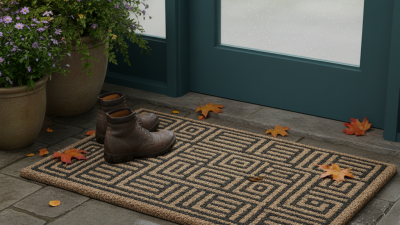
A front door meets rain, dust, grit, and the steady traffic of everyday life. A door mat can catch some of that mess before it reaches your floors, but the best choice depends on the entryway. A covered porch has different needs from an exposed doorstep. Coir mats offer a rough surface that scrapes dirt from shoes, while rubber mats grip many hard surfaces and handle wet conditions well. Microfiber styles can absorb moisture indoors, though they may need frequent washing. Each material has limits.
This guide compares common mat types for different homes, weather, and levels of foot traffic. It also considers practical details, such as whether a door clears the mat and whether the backing stays in place. Small details matter. Measure the space before buying, and check care instructions so the mat can be cleaned as intended. Think about who uses the entrance, too: a very thick mat may be awkward for a wheeled cart or someone using a mobility aid. The trade-offs are real. No single mat works perfectly in every setting, and product performance can vary with surface, climate, and upkeep. A recommendation may look tidy on paper, yet feel wrong once muddy boots hit the doorstep. The goal is a sensible match, not a perfect one.
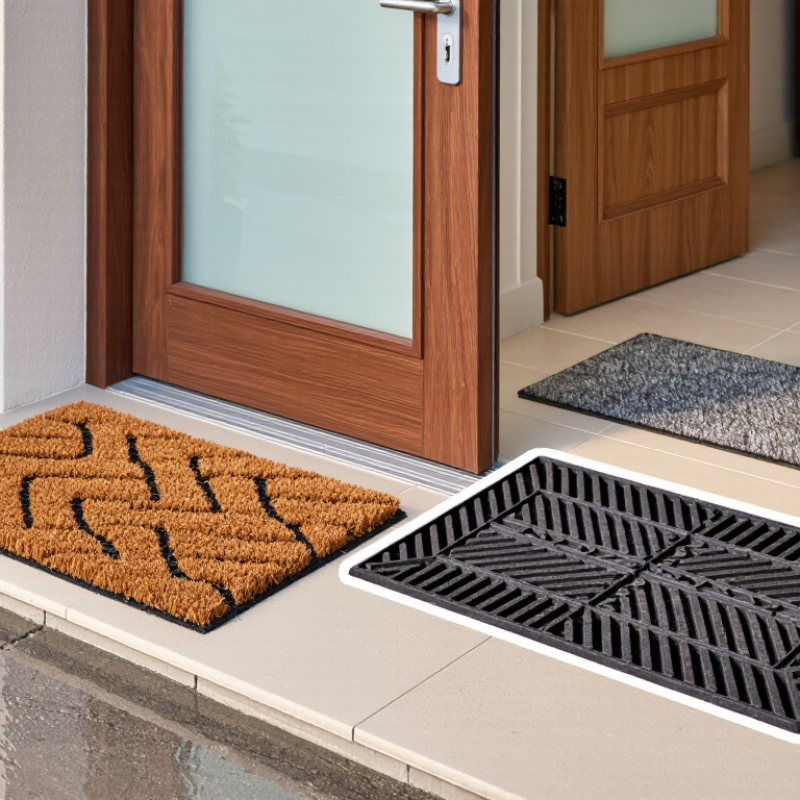
A door mat works hardest before anyone notices it. Look for a coarse surface that scrapes grit from shoe treads and absorbent fibers that hold rainwater. The Carpet and Rug Institute recommends using walk-off mats to help limit tracked-in soil, though results depend on mat length, traffic, and cleaning. Grip matters, too: a curled edge or slick backing can become a trip hazard. Choose a size that lets visitors take several steps across it.
Material should suit the doorway. Coir offers a firm scraping texture for covered entries, while washable synthetic fibers often dry faster after wet weather. EPA guidance notes that indoor concentrations of some pollutants can be two to five times outdoor levels; a mat is only one practical way to reduce what shoes carry inside. It is not a complete air-quality solution. And a mat that stays muddy may simply spread the mess.
Tips: Match the mat to the weather and floor. Shake or vacuum it often, and check that its backing stays flat. Small detail. For a narrow entry, prioritize a stable fit over a thicker mat that blocks the door.
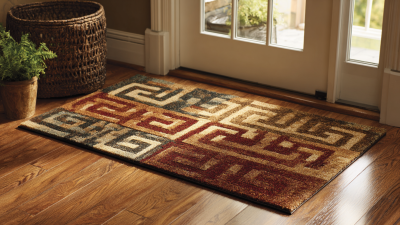
Coir mats suit covered entrances where dry grit and soil are the main problem. Their stiff fibers scrape dirt from shoe soles, and a thick weave feels substantial underfoot. Rain can leave coir damp for hours, though, so it may not suit an exposed porch. I learned that the hard way. A sheltered spot makes a difference.
Rubber mats handle wet conditions well and often have raised patterns that trap mud or let water drain. Look for a stable backing, especially on smooth tile. Microfiber mats feel softer and absorb moisture, making them useful just inside the door. Cotton is washable and comfortable, but it can shift or take time to dry. Small trade-offs matter.
Design affects how a mat works, not just how it looks. A recessed scraper pattern can catch dirt, while a low-profile edge reduces tripping and clears most doors. Check the entryway width before choosing a larger mat; an oversized one can bunch against the threshold. Looks simple. It isn’t. A pale surface may show dust quickly, while a dark one can hide it until the fibers need cleaning. The best choice depends on the weather, floor, and daily foot traffic.
Main door mat materials compared by typical fiber moisture regain
Moisture regain is the typical amount of moisture a fiber absorbs from the air, expressed as a percentage of its dry weight. These approximate reference values describe the fibers, not the performance of a finished mat; mat construction and backing also affect how it handles moisture.
Where a mat sits matters as much as its material. The Carpet and Rug Institute’s guidance cites an estimate that about 80% of indoor soil is tracked in on shoes. That is a lot. At a covered porch, coir mats scrape off dry grit and suit muddy garden paths. Keep them sheltered; repeated soaking can leave them damp and worn.
For rain, snow, or busy family entrances, choose a rubber-backed scraper mat outdoors. Its raised ribs catch larger debris, while drainage holes help water escape. Place an absorbent textile mat just inside to collect wet footprints. NFSI’s floor-safety guidance emphasizes controlling tracked-in moisture because wet walking surfaces increase slip risk. A thin indoor mat can bunch at the edge, though, so check that it lies flat.
In apartments or narrow foyers, a low-profile washable mat is easier to open doors over and clean regularly. For a long hallway or commercial entrance, use a sequence: coarse scraper outside, then absorbent matting inside. Longer coverage gives shoes more contact with the mat, but exact performance depends on traffic and maintenance. I would not expect one mat to do everything. Replace or wash it when grit builds up, and make sure the backing grips the floor.
A door mat works best when it matches the mess people bring in. ISSA, a professional cleaning association, estimates that about 80% of building soil is tracked indoors on footwear. That makes the first few steps important, though the figure is a broad industry estimate, not a guarantee for every home. For a sheltered entryway with dry dust, choose a low-profile scraper mat with a firm surface. In a rainy doorway, use a water-absorbent textile mat indoors and a coarse, open-grid mat outside. The grid lets grit and water fall through instead of collecting underfoot.
Snow and mud need a different setup. Look for a washable, quick-drying mat with a non-slip backing, and make sure the door clears its thickness. A narrow mat may look tidy but miss the steps people actually take. Measure the walking path, not just the door.
Tips: Shake outdoor mats often; rinse or vacuum indoor mats as their care label allows. Let wet mats dry fully. A mat won’t fix every slippery floor, and I’d check its grip again after cleaning.
| Door Mat Type | Best Entryway Conditions | Main Strengths | Things to Consider | Care and Placement |
|---|---|---|---|---|
| Coir (Coconut Fiber) | Covered porches and sheltered entrances with frequent dry or lightly damp foot traffic | Coarse fibers help scrape dirt and grit from shoe soles; natural textured appearance | Can shed fibers and may wear faster when repeatedly soaked; not ideal for a consistently wet, exposed location | Shake or brush outdoors. Let it dry thoroughly and keep it under cover when possible. |
| Rubber Scraper Mat | Outdoor or transitional entrances where shoes bring in mud, leaves, or snow | Raised patterns help loosen debris; many designs allow water and dirt to pass through | Usually does not absorb much moisture, so wet shoes may need a separate absorbent mat indoors | Shake, sweep, or rinse as appropriate for the mat. Allow it to drain and dry before placing it on a delicate floor. |
| Polypropylene Mat | Busy entrances, including locations that may get damp or exposed to sunlight | Synthetic fibers commonly resist moisture and are relatively easy to clean; available in looped and textured constructions | Scraping ability and weather performance vary with pile, backing, and construction | Vacuum or shake off loose debris; check the care instructions before washing or leaving it outdoors long term. |
| Microfiber Absorbent Mat | Indoor entrances where rainwater or light snowmelt needs to be absorbed | Soft, absorbent pile can collect moisture and fine dirt from footwear | Can become saturated in heavy rain or high traffic; some styles need a non-slip backing on smooth floors | Hang or lay flat to dry when damp. Wash only according to the care label. |
| Cotton Mat | Indoor entryways with moderate traffic and occasional damp footwear | Soft underfoot and often machine washable, depending on construction | May take longer to dry than a thin synthetic mat and can shift without a suitable backing | Wash and dry according to the label; make sure the mat is fully dry before returning it to the floor. |
| Coir-and-Rubber Combination | Covered outdoor entries that need both a scraping surface and a more stable base | Combines coarse fiber for scraping with rubber elements that help hold the mat in place | Performance depends on the proportion and construction of each material; prolonged exposure can shorten the life of some fiber surfaces | Remove trapped debris regularly and dry the mat if it becomes wet. |
| Low-Profile Indoor Mat | Doorways with limited clearance, including entrances where a thick mat might catch under the door | Fits more easily beneath many doors and can reduce a tripping or snagging risk when properly sized | Thin designs may hold less dirt or water than deeper-pile mats | Measure the door clearance and use a mat with a backing suited to the floor surface. |
Coir mats trap grit well, but their fibers can loosen when soaked. Shake them outdoors, then brush away packed soil with a stiff hand brush. Let them dry fully before bringing them inside. Rubber mats handle rinsing better; use mild soap, clear the grooves, and dry the underside so moisture does not linger on the floor. For fabric mats, check the care label before machine-washing. Check label first.
The US Environmental Protection Agency’s indoor air quality guidance says people spend about 90% of their time indoors. That figure is context, not proof that a particular mat improves air quality. Still, regular cleaning helps stop tracked-in dust and grit from spreading across floors. The Carpet and Rug Institute recommends daily vacuuming in high-traffic carpeted areas. Applying that frequency to a fabric entry mat is a practical adaptation, not a mat-specific rule.
Shake or vacuum mats often, especially after rain or a muddy walk. Scrape dried mud off before washing; otherwise, it can smear into the fibers. Easy to overlook. Check the mat’s backing, too: some materials become brittle with harsh cleaners or prolonged sun exposure. I sometimes forget the underside, where fine grit collects and scratches hard floors. If a mat stays damp, hang it up to dry rather than placing it back at the doorway.