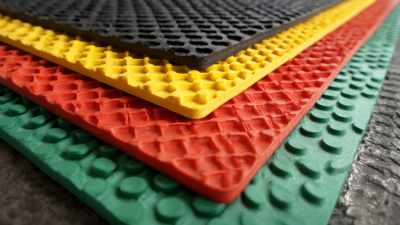
Why Do You Need an Outdoor Door Mat?
Rainwater, grit, and fallen leaves often reach the doorstep before anyone notices. An outdoor door mat creates a practical first stopping point, catching some debris before it travels across the entryway. On wet mornings, its textured surface can also offer a place to wipe shoe soles before stepping inside. Small detail. Noticeable difference.
Choosing a mat is not just about appearance. Material, drainage, size, and placement all affect how well it works. A mat that is too small may leave shoes untouched, while one that stays damp can collect dirt and become unpleasant. Look for a surface suited to your local weather and the amount of foot traffic your entrance receives. Check that the mat sits flat and does not obstruct the door. These are simple checks, but they are easy to overlook.
An outdoor door mat will not keep every speck of dust or drop of water outside. It is one useful part of a cleaner, safer entry, alongside regular sweeping and sensible footwear habits. My own experience is that a mat helps most when people actually pause to use it—and when someone remembers to clean it. That last part is less exciting, but it matters. In this guide, we’ll look at the everyday reasons to use one, the features worth considering, and how to care for it without expecting a single mat to do everything.
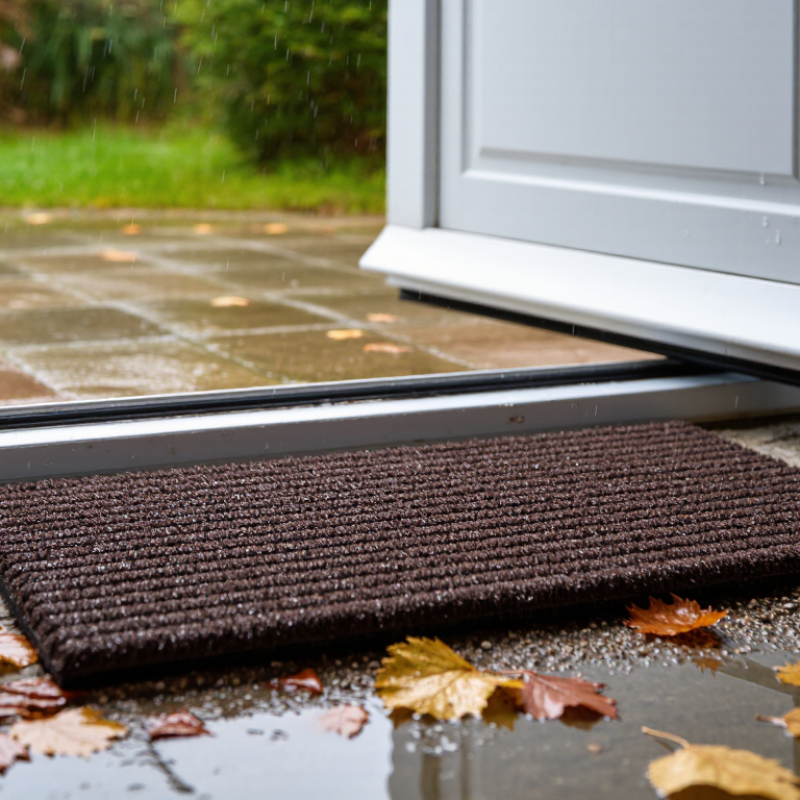
What an Outdoor Door Mat Is and Where It Is Used
An outdoor door mat is a coarse, weather-resistant mat placed outside an entrance to catch grit, mud, and moisture before they cross the threshold. You’ll find one at front doors, back doors, garage entries, and gates leading into homes or workplaces. Its rough surface helps scrape debris from shoe soles; drainage holes or open-weave fibers can help rainwater escape. It is a simple first barrier, not a cleaning system.
The location matters. Put the mat where people can pause and wipe both feet, with enough room for the door to open freely. A 2008 University of Arizona shoe study reported coliform bacteria on 96% of sampled shoe soles, a reminder that outdoor footwear can carry more than visible dirt. A mat cannot remove everything.
Keep it flat, check for curled edges, and clean it regularly; a saturated mat may just move grime around. I still see mats placed too far from the doorway to be useful. Small detail, big difference.
It’s worth checking your own entry after a rainy day: where does the water actually collect?
How an Outdoor Mat Traps Dirt and Moisture
Why Do You Need an Outdoor Door Mat?
How an Outdoor Mat Traps Dirt and Moisture
An outdoor mat catches grit before it reaches your hallway. Its coarse surface loosens dirt from shoe soles, while the fibers hold onto some of that debris. On a rainy day, the mat can also absorb water dripping from shoes. That means fewer muddy prints across tile or wood. It helps. But a mat is not a complete barrier; fine dust and heavy rain can still get indoors.
Placement and material make a difference. Set the mat just outside the door, where people can take a full step onto it. Textured rubber or sturdy coir can provide useful friction, while absorbent fibers help collect moisture. A mat that slides, curls at the edges, or stays soaked may create a nuisance instead. I’ve found that a quick glance after wet weather is easy to forget, yet it can reveal when the mat needs attention. Shake it out or let it dry when practical.
Tips: Choose a mat that fits the doorway, and check that its backing grips the surface. Scrape each shoe, then wipe it across the mat. Brush away trapped grit regularly, and replace a worn mat when its texture no longer catches dirt well.
Why Do You Need an Outdoor Door Mat? - How an Outdoor Mat Traps Dirt and Moisture
| Mat Feature |
How It Traps Dirt or Moisture |
Practical Benefit |
Care Tip |
| Coarse, textured fibers |
Raised fibers brush loose soil, grit, and small debris from shoe soles. Debris collects between the fibers. |
Helps reduce the amount of outdoor dirt carried indoors. |
Shake or brush the mat regularly to remove trapped debris. |
| Absorbent surface |
Absorbent fibers hold some water transferred from wet footwear. |
Limits wet footprints near the entrance, especially when paired with an indoor mat. |
Allow the mat to dry fully; prolonged dampness can encourage mildew. |
| Raised ribs or grooves |
Raised sections scrape dirt from shoe treads, while the grooves provide space for loosened debris. |
Provides a useful scraping surface at entrances exposed to soil or garden debris. |
Lift and clean the mat so debris does not build up underneath. |
| Open or perforated construction |
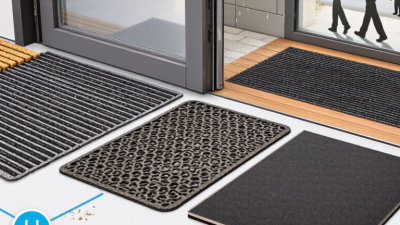
Openings let water and loose debris pass through instead of remaining on the walking surface. |
Can be useful in exposed areas where rainwater needs to drain away. |
Check the surface beneath the mat and clear away collected dirt. |
| Non-slip backing |
Does not trap dirt directly; it helps keep the mat in position while shoes are wiped. |
Reduces mat movement during everyday entry and exit. |
Place on a reasonably clean, level surface and check that the mat lies flat. |
| Regular cleaning |
Removing collected dirt and moisture keeps the mat’s surface available to catch more. |
Helps maintain the mat’s usefulness and keeps the entrance tidier. |
Follow the care instructions for the mat’s material and let it dry before putting it back. |
How It Helps Reduce Slips Near the Entrance
Rain on shoes can turn a smooth entry floor slick within seconds. An outdoor door mat helps by scraping away grit and catching some moisture before people step inside. Choose one with a stable, non-slip backing and enough length for several steps. A tiny mat may look tidy, but wet shoes can cross it in one stride.
The UK Health and Safety Executive’s 2022/23 workplace injury statistics report that slips, trips, and falls on the same level accounted for about 30% of reported non-fatal workplace injuries. This figure covers workplaces, not household entrances, but it shows why ordinary floor transitions deserve attention.
A mat is not a cure. If it curls, shifts, or stays saturated, it can create a new trip or slip hazard. Check that it lies flat, drains or dries properly, and has no worn edges. After heavy rain, lift it and inspect the floor beneath; trapped water is easy to miss. It is tempting to assume one mat solves the problem, but footwear, lighting, and prompt cleanup matter too.
How It Protects Indoor Floors from Wear
An outdoor door mat protects indoor floors by catching grit before shoes carry it across the threshold. Sand and tiny stones act like abrasives underfoot. Repeated rubbing can dull a wood finish, scratch tile, and wear down carpet fibers near busy entrances. The damage often starts small, around the doorway, then spreads along the walking route.
Small detail.
The Carpet and Rug Institute recommends about 15 feet of combined walk-off matting at entrances to help reduce tracked-in soil.
A sturdy outdoor mat is the first part of that system: its coarse surface knocks off larger debris, while an indoor mat can collect finer dust and moisture. On rainy days, a mat also limits puddles that may leave marks or make floors slippery. Keep it flat and firmly placed; a curled edge can become a trip hazard. Shake or vacuum it regularly, since a loaded mat can hold grit instead of trapping more. One imperfect habit is placing a mat where people naturally step, not where it looks best. That placement matters.
What Affects a Mat’s Performance and Lifespan
An outdoor door mat takes more punishment than its quiet position suggests. Grit cuts against its fibers, rain saturates the backing, and direct sun can make some materials brittle. The Carpet and Rug Institute’s carpet-maintenance guidance notes that effective entrance matting can capture up to 80% of tracked-in soil. That performance depends on enough length for several steps, plus regular cleaning. A short mat may look tidy but leave most dirt untouched. Small detail, big difference.
Material and construction shape service life. Coarse, dense fibers scrape mud from shoe treads, while drainage openings help water escape instead of pooling beneath the mat. ASTM International’s D3884 abrasion test compares textile wear under controlled rubbing, but it cannot predict every outdoor condition. Real exposure includes UV, freeze-thaw cycles, and sharp grit. Check the backing and edges, too. A mat can look sound on top while its underside cracks or curls. I would not judge it by appearance alone; that is easy to get wrong. Shake or rinse it often, and let it dry fully. A practical routine, though not a perfect one.